Advertisement






What really powers the cloud? Behind every Google search, A...
A lot of what defines a home isn’t visible at handover. I...
Private equity has played a significant role in shaping Indi...
Luxury real estate is one of the most talked-about segments ...
Airports play a much bigger role than just enabling travel -...
Cluster redevelopment is gaining traction across Mumbai as developers and public agencies increasingly pursue large-scale projects covering multiple buildings and neighbourhoods. Supported by policy incentives and redevelopment reforms, the model is helping consolidate fragmented land parcels and facilitate integrated planning for housing and infrastructure upgrades. Several major projects have recently advanced under this framework, reflecting a broader shift away from standalone society redevelopments towards area-wide urban renewal aimed at addressing ageing housing stock and land constraints in the city.
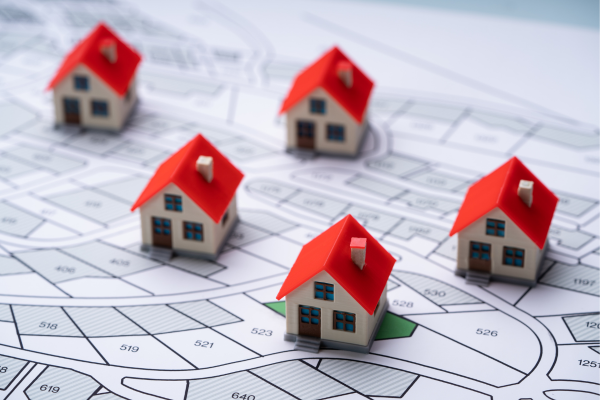
Mumbai’s redevelopment sector is increasingly moving towards cluster-led projects, with developers, housing agencies and policymakers focusing on larger redevelopment schemes that encompass entire neighbourhoods rather than individual buildings. The shift has gathered pace in recent months as the city seeks to address ageing housing stock, fragmented land ownership patterns and infrastructure constraints in one of India’s most densely developed urban markets.
Cluster redevelopment allows multiple buildings, housing layouts or land parcels within a defined area to be redeveloped under a single framework. Unlike traditional society redevelopment projects, which typically involve one building at a time, the cluster model enables integrated planning for roads, open spaces, utilities, social infrastructure and rehabilitation housing. Industry participants note that this approach can provide greater planning flexibility while allowing developers to work on larger land parcels in areas where greenfield opportunities remain limited.
The growing interest in cluster redevelopment is reflected in several recent transactions and project awards across Mumbai. Developers have secured redevelopment rights for projects in locations including Marine Lines, Bandra, Kandivali and other established residential neighbourhoods. Large-scale slum and housing redevelopment schemes are also increasingly being structured under cluster-based frameworks to improve implementation and land utilisation.
Government agencies have also intensified efforts to promote the model. The Maharashtra Housing and Area Development Authority (MHADA) has identified cluster redevelopment as a key component of its strategy to redevelop ageing housing layouts and increase housing supply across Mumbai. Earlier announcements indicated that the authority is exploring projects that could unlock substantial land parcels while creating additional residential stock, including affordable housing.
Policy changes introduced by the state government in recent years have further encouraged the transition towards larger redevelopment projects. Amendments to redevelopment regulations and incentives under the Development Control and Promotion Regulations have been aimed at streamlining approvals, improving project viability and attracting greater private sector participation. These measures have contributed to increased developer interest in cluster-based urban renewal initiatives.
The redevelopment push comes at a time when Mumbai continues to face limitations in available land for new construction. As a result, redevelopment has become one of the primary avenues for housing creation and urban renewal within the city. Industry observers note that the cluster model offers an opportunity to upgrade infrastructure and housing conditions across larger urban precincts while addressing planning challenges associated with piecemeal redevelopment.
Several major redevelopment projects announced or advanced in recent months indicate that the model is gaining wider acceptance among developers and public agencies. With multiple cluster schemes progressing across the city, redevelopment is increasingly being viewed through the lens of area-wide urban renewal rather than isolated building reconstruction.
As redevelopment activity expands across Mumbai, cluster-led projects are expected to remain a significant component of the city’s housing and urban infrastructure strategy, particularly in areas characterised by ageing buildings, dense development and limited land availability.
Advertisement













 Facebook
 Whatsapp
