Advertisement






What really powers the cloud? Behind every Google search, A...
A lot of what defines a home isn’t visible at handover. I...
Private equity has played a significant role in shaping Indi...
Luxury real estate is one of the most talked-about segments ...
Airports play a much bigger role than just enabling travel -...
• Facing declining reservoir levels and delayed monsoon progress, the BMC has launched a citywide initiative to identify, revive and utilise nearly 350 open wells across Mumbai.
• The wells will be restored primarily for non-potable uses such as construction, gardening and civic maintenance, helping reduce pressure on the city’s potable water supply network.
• The move comes as Mumbai’s combined lake storage has fallen to around 12.12% of total capacity, prompting authorities to explore alternative water sources and strengthen conservation measures.
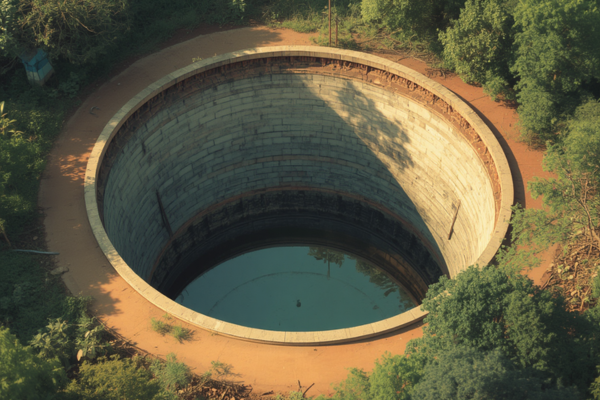
With water levels in Mumbai’s reservoir system continuing to decline ahead of the monsoon, the Brihanmumbai Municipal Corporation (BMC) has initiated a citywide exercise to revive approximately 350 open wells as part of a broader strategy to improve water resilience and reduce dependence on potable water supplies.
The decision comes amid growing concern over delayed monsoon advancement and falling lake reserves that supply water to the city. Municipal officials have directed all administrative wards to identify open wells within their jurisdictions, assess their condition and prepare plans for their restoration and utilisation.
According to civic authorities, many of these wells already exist across public and private properties but have remained neglected for years. The BMC plans to clean, desilt and rehabilitate these water bodies so they can be used as supplementary sources for non-drinking purposes. Officials believe the initiative could help conserve treated drinking water by diverting activities such as gardening, road maintenance, construction work and civic cleaning operations to alternative water sources.
Municipal Commissioner Ashwini Bhide has instructed ward offices to conduct detailed surveys and submit reports on the status of wells within their respective areas. The exercise is expected to include mapping existing wells, evaluating water quality, identifying recharge potential and recommending measures to improve their functionality.
The initiative follows concerns over the city’s water security as reservoir stocks remain significantly below comfortable levels. BMC data indicates that the combined water stock in Mumbai’s seven lakes has declined sharply compared with corresponding periods in previous years. The situation has been linked to a delayed monsoon onset and weaker-than-expected pre-monsoon rainfall across key catchment areas.
Officials have emphasised that the revived wells are not intended to supplement the city’s potable water supply directly. Instead, they will serve as secondary sources that can reduce demand on treated water, particularly during periods of stress. Civic administrators have also encouraged housing societies, institutions, industrial establishments and construction sites to utilise well water wherever feasible for non-potable requirements.
The revival programme forms part of a wider conservation strategy that includes groundwater recharge, water reuse measures and efforts to strengthen local water resources. Experts have often highlighted that Mumbai historically depended on a network of wells before large reservoir systems became the city's primary source of water. Many of these traditional assets remain present but underutilised.
Weather officials have indicated that monsoon conditions are expected to improve in the coming days, but civic authorities remain cautious given the uncertainty surrounding rainfall distribution. The BMC has therefore chosen to pursue precautionary measures while continuing to monitor reservoir levels closely.
By reviving hundreds of open wells across the city, municipal authorities aim to create a supplementary water buffer that can support essential activities, promote conservation and enhance Mumbai’s preparedness during periods of water stress.
Advertisement













 Facebook
 Whatsapp
