Advertisement






The Gulf conflict has disrupted global supply chains, pushed...
REITs have changed the way commercial real estate is owned a...

What does it take to preserve a real estate legacy while bui...
What really powers the cloud? Behind every Google search, A...
A lot of what defines a home isn’t visible at handover. I...
• Kochi Metro Phase II, connecting JLN Stadium and Infopark, is now expected to be commissioned in August 2027.
• Utility shifting, construction complexities and coordination with multiple agencies have emerged as major reasons behind the latest delay.
• The 11.2-km elevated Pink Line corridor will have 11 stations and improve connectivity to Kakkanad, Infopark and SmartCity.
• Earlier funding-related hurdles have been resolved, allowing construction activities to gain momentum.
• The INR 1,957.05 crore project is expected to play a key role in supporting Kochi's growing IT, residential and commercial corridors.
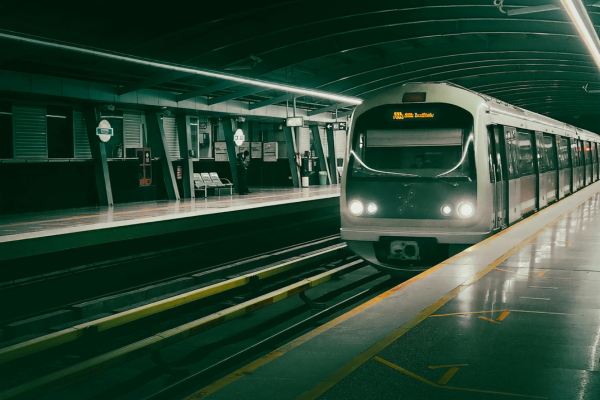
Kochi Metro Rail Limited (KMRL) has pushed the commissioning target for Kochi Metro Phase II to August 2027, extending the timeline for one of the city's most significant urban transport projects. The corridor, known as the Pink Line, will connect JLN Stadium with Infopark and is expected to improve connectivity between central Kochi and the rapidly expanding IT hub of Kakkanad.
The 11.2-km elevated corridor is being developed at a cost of INR 1,957.05 crore and will include 11 stations. The project is designed to provide seamless connectivity to major employment centres such as Infopark, SmartCity and KINFRA, where thousands of professionals travel daily. The Metro extension is also expected to benefit nearby residential and commercial developments that have witnessed steady growth over the past decade.
According to KMRL officials, the revised timeline is largely linked to construction-related challenges and the relocation of utilities along the route. The corridor passes through densely developed urban stretches where shifting water pipelines, electricity networks, communication cables and other essential infrastructure requires coordination with multiple departments and service providers. These activities have affected the pace of construction despite progress on civil works.
Work on the project has accelerated in recent months after earlier funding concerns were addressed. The project had previously faced delays due to the time taken to secure a foreign loan of INR 1,016.24 crore from the Asian Infrastructure Investment Bank (AIIB), which impacted the pace of execution. With the funding issue resolved, construction activity has gained momentum across several sections of the corridor.
The Phase II project received central government approval in 2022 and was originally planned with shorter execution timelines. However, a combination of funding delays, utility relocation requirements, land-related challenges and construction bottlenecks resulted in repeated revisions to the schedule. KMRL had also considered opening parts of the corridor in phases, but later decided to commission the entire line together once all works are completed.
The Metro extension is particularly important for Kakkanad, which has emerged as one of Kerala's largest technology and business districts. Over the years, increasing office development, residential projects and commercial activity have led to higher traffic volumes on key roads connecting the area with the rest of Kochi. The Metro corridor is expected to provide a faster and more reliable alternative for daily commuters while reducing pressure on existing road infrastructure.
Apart from improving urban mobility, the project is expected to strengthen integration between Kochi Metro's existing network and the city's broader public transport system. Along with the Water Metro and feeder services, the Pink Line is expected to support better last-mile connectivity and encourage greater use of public transportation across the metropolitan region.
Once completed, the corridor will become a crucial link between Kochi's residential neighbourhoods, business districts and technology hubs, supporting the city's long-term infrastructure and economic growth plans.
Advertisement













 Facebook
 Whatsapp
