Advertisement






The Gulf conflict has disrupted global supply chains, pushed...
REITs have changed the way commercial real estate is owned a...

What does it take to preserve a real estate legacy while bui...
What really powers the cloud? Behind every Google search, A...
A lot of what defines a home isn’t visible at handover. I...
• The proposed Thane Metro alignment is drawing criticism from stakeholders, urban planning experts and industry representatives who have raised concerns over its route design and potential impact on existing infrastructure.
• Critics argue that the current alignment could affect mobility, industrial activity and long-term urban development objectives in key areas of Thane.
• The controversy has sparked wider debate over planning priorities, with stakeholders calling for greater scrutiny of the corridor’s alignment and its implications for the city's growth.
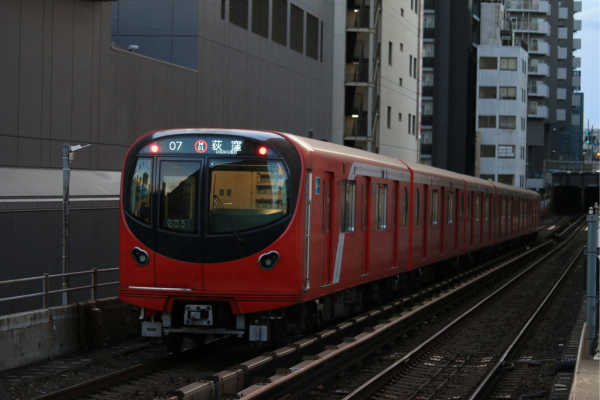
The proposed alignment of the Thane Metro project has come under scrutiny after stakeholders raised concerns over its potential impact on industrial activity, connectivity and existing infrastructure in the region, prompting calls for a review of the route.
Industry representatives and other stakeholders have objected to sections of the planned alignment, arguing that the proposed corridor could affect existing industrial infrastructure, logistics movement and future expansion opportunities within key industrial clusters of Thane. The concerns have gained political attention, with a BJP legislator indicating that the matter may be reviewed by the authorities following representations from affected stakeholders.
The Thane Metro project forms part of the wider effort to strengthen public transport connectivity across the Mumbai Metropolitan Region. Designed to improve mobility and reduce dependence on road-based transport, the metro network is expected to connect residential, commercial and employment hubs across the city and neighbouring areas.
However, industrial associations and other stakeholders have expressed reservations about the alignment passing through or near established industrial zones. According to those raising objections, the proposed route may interfere with industrial operations, logistics movements and long-term development plans within these areas. Stakeholders have reportedly urged authorities to explore alternative alignments that would minimise disruption while retaining the project's transport objectives.
The issue has become particularly significant because industrial estates in Thane continue to play an important role in the local economy, accommodating manufacturing units, warehouses, commercial establishments and ancillary businesses. Stakeholders have argued that infrastructure planning should account for both mobility requirements and the operational needs of existing economic centres.
Political representatives involved in the discussions indicated that concerns raised by stakeholders would be conveyed to the relevant authorities for examination. A review of the alignment could be considered if technical assessments determine that modifications are feasible without affecting the overall viability of the metro project.
Urban transport projects in the Mumbai Metropolitan Region frequently involve complex land-use considerations due to the concentration of residential, commercial and industrial activities within limited urban space. Infrastructure planners often need to balance transport connectivity objectives with the interests of existing land users and economic stakeholders.
The debate surrounding the Thane Metro alignment reflects these competing priorities. While the project is intended to improve public transport access and support urban mobility, stakeholders maintain that route planning should avoid adversely affecting established economic and industrial ecosystems wherever possible.
Authorities are expected to continue consultations with stakeholders as the project advances. Any decision regarding alignment modifications will depend on technical feasibility studies, planning assessments and the broader objectives of the metro network.
The outcome of the review process could influence not only the final alignment of the Thane Metro corridor but also the approach adopted for future infrastructure projects in densely developed urban areas.
Source: PTI
Advertisement













 Facebook
 Whatsapp
