Advertisement






What really powers the cloud? Behind every Google search, A...
A lot of what defines a home isn’t visible at handover. I...
Private equity has played a significant role in shaping Indi...
Luxury real estate is one of the most talked-about segments ...
Airports play a much bigger role than just enabling travel -...
• A state infrastructure committee has approved transport projects worth INR 22,611 crore across the Mumbai Metropolitan Region (MMR), including a major tunnel corridor, bridge infrastructure and Metro network expansion.
• Key approvals include the Ghodbunder–Bhayandar tunnel project and the extension of Navi Mumbai Metro services to improve regional mobility and reduce travel time across fast-growing urban corridors.
• The projects are aimed at addressing chronic traffic congestion, strengthening airport connectivity and supporting long-term economic growth across Mumbai, Thane, Mira-Bhayandar and Navi Mumbai.
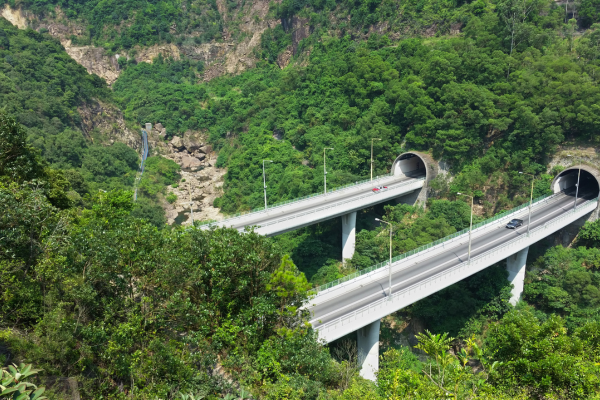
The Maharashtra government has approved a package of transport infrastructure projects worth INR 22,611 crore across the Mumbai Metropolitan Region (MMR), advancing a series of road, tunnel and Metro initiatives intended to improve regional connectivity and ease mounting traffic congestion.
The approvals were granted by the state-level infrastructure committee chaired by Chief Minister Devendra Fadnavis. The projects focus on some of the most heavily congested corridors in the metropolitan region, where rapid urbanisation and increasing vehicle volumes have placed significant pressure on existing transport networks.
Among the major proposals cleared is the Ghodbunder–Bhayandar tunnel project, which is expected to create a faster link between Thane and the western suburbs while reducing travel time on one of the region's busiest road corridors. Authorities believe the project will help divert traffic away from overloaded surface routes and improve east-west connectivity in the northern parts of MMR.
The committee also approved expansion of the Navi Mumbai Metro network through an extension connecting Pendhar with the upcoming Navi Mumbai International Airport. The Metro link is expected to play a critical role in providing public transport access to the airport and supporting future development around the aerotropolis zone. Officials have stated that the project will strengthen integration between existing Metro services and emerging transport hubs in Navi Mumbai.
In addition to the tunnel and Metro works, the package includes bridge and connectivity projects designed to improve movement between key urban centres across Mumbai, Thane and surrounding municipalities. These interventions are expected to enhance network efficiency and reduce bottlenecks that routinely affect commuters travelling across the metropolitan region.
The approvals come as state agencies continue to pursue large-scale infrastructure investments to accommodate the region's expanding population and economic activity. Transport planners have repeatedly highlighted the need for new mobility corridors as development spreads beyond Mumbai into neighbouring cities such as Thane, Mira-Bhayandar and Navi Mumbai.
Government officials have said the projects form part of a broader strategy to create a more integrated transport system that combines road, rail and Metro infrastructure. Improved connectivity is also expected to support economic activity by facilitating movement of people and goods across the metropolitan region.
The Navi Mumbai Metro expansion, in particular, is being viewed as a key component of preparations for the operationalisation of the Navi Mumbai International Airport. By linking the airport with the wider Metro network, authorities aim to reduce dependence on road-based travel and encourage greater use of public transport.
Once implemented, the approved projects are expected to significantly strengthen regional mobility, improve access to emerging growth centres and contribute to long-term urban development objectives across the Mumbai Metropolitan Region.
Advertisement













 Facebook
 Whatsapp
