Advertisement






The Gulf conflict has disrupted global supply chains, pushed...
REITs have changed the way commercial real estate is owned a...

What does it take to preserve a real estate legacy while bui...
What really powers the cloud? Behind every Google search, A...
A lot of what defines a home isn’t visible at handover. I...
Twenty bungalows in Pune’s Moi Phata area are facing demolition after a committee appointed by the National Green Tribunal (NGT) found that the structures were built within the blue flood line of the Indrayani River. The panel's findings have intensified scrutiny of unauthorised construction in flood-prone zones across the Pune metropolitan region. The proposed action follows a series of enforcement measures undertaken in recent months against similar developments along the river corridor. Authorities are reviewing the committee’s report and legal procedures before initiating demolition, with the case highlighting growing regulatory focus on environmental compliance, floodplain protection and illegal construction activity in ecologically sensitive areas.
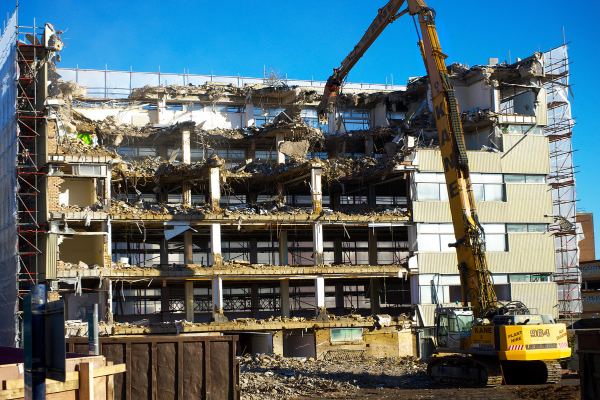
Twenty bungalows located in Pune’s Moi Phata area are likely to face demolition after a committee constituted by the National Green Tribunal (NGT) determined that the structures fall within the blue flood line of the Indrayani River. The findings were submitted in the past week as part of an ongoing examination of construction activity in flood-prone areas, where environmental and planning regulations restrict development.
According to the committee’s report, the residential structures have been identified as being situated within the notified floodplain zone of the river. Construction within the blue flood line is subject to stringent restrictions because of the potential risk posed by flooding and the environmental impact associated with development in such areas. The panel concluded that the bungalows violated applicable norms governing floodplain protection and recommended action in accordance with environmental regulations.
The case forms part of a broader effort by regulatory authorities and local bodies to address unauthorised development along the Indrayani River corridor. In recent years, multiple residential projects have come under scrutiny for allegedly encroaching upon flood-prone land despite planning and environmental restrictions. Authorities have increasingly relied on judicial and regulatory interventions to enforce compliance and prevent further construction in vulnerable areas.
The latest development follows earlier enforcement actions undertaken by the Pimpri Chinchwad Municipal Corporation (PCMC). In a separate operation carried out last year, the civic body demolished 36 unauthorised bungalows in the Chikhali area after determining that the structures had been constructed within the Indrayani River’s blue flood line. The demolition was undertaken pursuant to environmental and planning regulations intended to safeguard floodplains and reduce risks associated with riverine flooding.
Judicial authorities have also taken a stringent position on unauthorised construction in environmentally sensitive locations. In another matter involving bungalows situated within the Indrayani flood zone, the Supreme Court upheld an NGT order directing the demolition of 29 structures and the recovery of environmental damage compensation from property owners. The court declined to interfere with the tribunal’s findings, reinforcing the principle that constructions within protected floodplain areas cannot be regularised merely because they have been completed or sold to purchasers.
Officials are expected to examine the NGT committee’s findings before proceeding with the next stage of enforcement. While the final timeline for demolition has not been announced, the report significantly increases the likelihood of action against the identified structures. The case underscores the growing regulatory emphasis on preserving river floodplains, ensuring environmental compliance and curbing unauthorised real estate development in areas vulnerable to flooding.
Advertisement













 Facebook
 Whatsapp
