Advertisement






What really powers the cloud? Behind every Google search, A...
A lot of what defines a home isn’t visible at handover. I...
Private equity has played a significant role in shaping Indi...
Luxury real estate is one of the most talked-about segments ...
Airports play a much bigger role than just enabling travel -...
Nagpur is entering the monsoon season with 278 buildings classified as dangerous by the Nagpur Municipal Corporation (NMC) still standing across the city, raising concerns over public safety amid forecasts of heavy rainfall. Civic authorities have issued notices to property owners and occupants, urging immediate evacuation and structural action. Despite annual inspections and enforcement measures, many unsafe structures remain occupied or have not been demolished due to ownership disputes, legal hurdles and delays in compliance. The issue has drawn attention to the challenges of managing ageing building stock in rapidly urbanising cities, particularly as intense rainfall events increase the risk of structural failures. Authorities have warned residents against occupying identified buildings during the monsoon period.
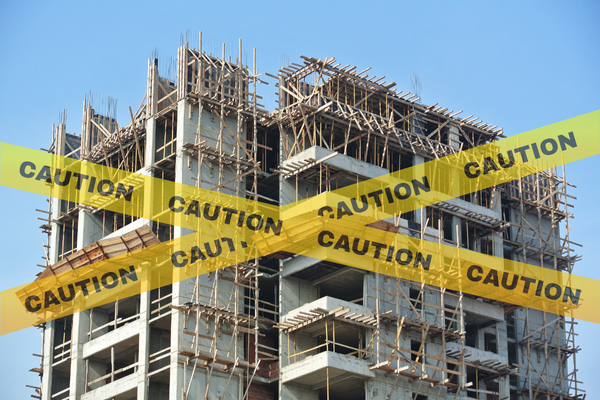
Nagpur is set to enter the monsoon season with 278 buildings officially classified as dangerous still standing across various parts of the city, despite repeated warnings from civic authorities regarding the risks posed by structurally unsafe properties. The Nagpur Municipal Corporation (NMC) has identified these buildings through its annual pre-monsoon structural assessment exercise and has issued notices to owners and occupants to vacate the premises and undertake necessary action.
According to civic officials, the identified structures include ageing residential buildings, mixed-use properties and commercial establishments that have deteriorated over time and may not withstand prolonged rainfall or adverse weather conditions. The assessment was conducted ahead of the monsoon to identify buildings that could pose a threat to life and property during periods of heavy rain.
NMC officials have stated that notices have been served under relevant municipal provisions, directing property owners to either repair, vacate or demolish unsafe structures depending on their condition. However, a significant number of buildings continue to remain occupied despite being categorised as hazardous. Authorities noted that compliance often becomes difficult due to ownership disputes, tenancy issues, ongoing litigation and reluctance among occupants to vacate long-established properties.
The presence of hundreds of dangerous structures has become a recurring challenge for the civic administration. Every year, municipal authorities undertake inspections before the onset of the monsoon and identify buildings that require urgent intervention. While some structures are demolished or repaired, others remain standing because of legal and administrative complications.
Officials have warned that heavy rainfall can weaken already compromised structural elements, increasing the likelihood of partial or complete building collapses. Water seepage, foundation instability and prolonged exposure to moisture are among the factors that can accelerate deterioration in ageing structures during the monsoon season.
The issue assumes greater significance in densely populated localities where unsafe buildings are often surrounded by residential neighbourhoods, commercial establishments and busy public spaces. Any structural failure can therefore pose risks not only to occupants but also to pedestrians and neighbouring properties.
Municipal authorities have appealed to residents living in identified buildings to cooperate with evacuation notices and prioritise safety. Civic teams have also been instructed to monitor vulnerable structures throughout the monsoon and undertake emergency action where required.
The challenge reflects broader urban management concerns faced by many Indian cities with ageing building stock. As urban densities increase and climate patterns bring more intense rainfall events, local authorities are under growing pressure to strengthen structural audits, improve enforcement mechanisms and ensure timely action against unsafe buildings.
With the monsoon expected to intensify in the coming weeks, the focus remains on preventing accidents and minimising risks associated with structurally weak buildings. The NMC has reiterated that public safety will remain its priority and has urged property owners to address identified deficiencies without delay.
Advertisement













 Facebook
 Whatsapp
