Advertisement






The Gulf conflict has disrupted global supply chains, pushed...
REITs have changed the way commercial real estate is owned a...

What does it take to preserve a real estate legacy while bui...
What really powers the cloud? Behind every Google search, A...
A lot of what defines a home isn’t visible at handover. I...
• Several stormwater drains in Visakhapatnam are reportedly carrying untreated sewage and waste instead of rainwater, raising environmental concerns.
• Experts and civic groups warn that the pollution is affecting local water bodies, coastal ecosystems and public health.
• Encroachments, inadequate sewage infrastructure and poor maintenance have been cited as key reasons for the deteriorating condition of the drains.
• The issue has renewed calls for comprehensive drainage reforms and stronger wastewater management measures in the city.
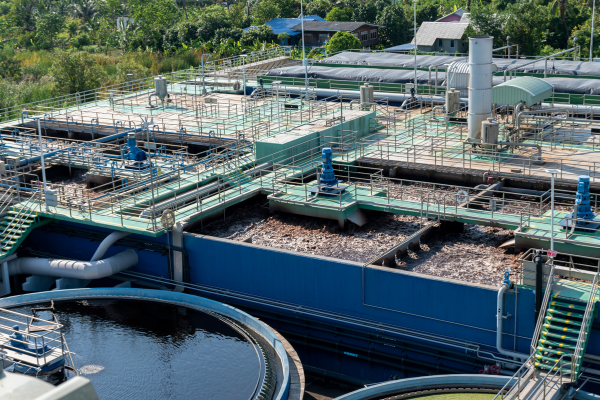
Stormwater drains across Visakhapatnam are increasingly coming under scrutiny as concerns grow over their transformation from rainwater channels into conduits for sewage, industrial discharge and solid waste. Environmental experts, civic activists and local residents have raised alarms over the impact these polluted drains are having on the city's fragile coastal ecosystem.
Designed primarily to carry rainwater and prevent urban flooding, many of the city's major drains now reportedly receive untreated wastewater from residential areas, commercial establishments and other sources. As a result, contaminated water eventually finds its way into natural water bodies and the Bay of Bengal, affecting aquatic life and degrading environmental quality.
The problem is particularly significant because Visakhapatnam's drainage network passes through densely populated neighbourhoods before discharging into creeks, wetlands and coastal stretches. Environmental observers argue that continuous inflow of sewage and waste has altered the ecological character of several drains, turning them into pollution hotspots rather than stormwater channels.
Experts point to rapid urbanisation, inadequate sewerage infrastructure and encroachments along natural drainage corridors as major contributors to the issue. In many locations, stormwater drains are reportedly being used as an alternative outlet for wastewater, placing additional pressure on an already stressed urban drainage system.
Concerns have also been raised about the impact on public health. Stagnant and polluted water can create conditions favourable for foul odours, mosquito breeding and waterborne diseases, particularly during the monsoon season when drain networks operate under increased pressure. Residents living near some of the affected stretches have repeatedly highlighted these challenges.
Environmental groups have stressed the need for stronger monitoring of wastewater discharge and improved coordination between civic agencies responsible for drainage management and sewage treatment. They argue that restoring the original function of stormwater drains will require both infrastructure upgrades and stricter enforcement against illegal waste disposal.
The issue has also brought attention to the broader challenge of protecting Visakhapatnam's natural water systems amid continuing urban expansion. Conservationists warn that unchecked pollution could undermine the ecological health of wetlands, coastal zones and other sensitive habitats that play a crucial role in maintaining environmental balance.
With the city continuing to grow, experts believe that long-term solutions will require investments in sewage treatment infrastructure, rehabilitation of drainage channels and regular maintenance programmes. Addressing these concerns, they say, is essential not only for environmental protection but also for building a more resilient and sustainable urban drainage system for the future.
Advertisement













 Facebook
 Whatsapp
