Advertisement






The Gulf conflict has disrupted global supply chains, pushed...
REITs have changed the way commercial real estate is owned a...
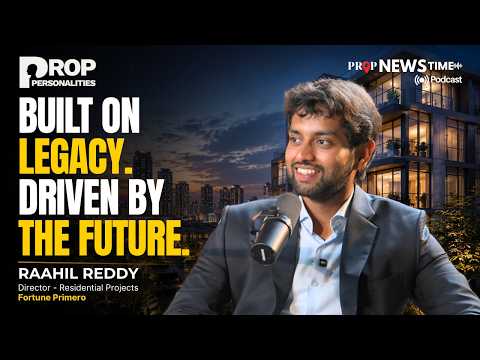
What does it take to preserve a real estate legacy while bui...
What really powers the cloud? Behind every Google search, A...
A lot of what defines a home isn’t visible at handover. I...
The Telangana government has selected Singapore-based DP Architects to prepare the master plan for Bharat Future City, a large-scale urban development project being developed under the Future City Development Authority (FCDA). The firm emerged as the lowest bidder among six participants in the tender process and is expected to submit the master plan within nine months. Spread across about 765 sq km, the project aims to create dedicated hubs for life sciences, artificial intelligence, advanced manufacturing, data centres, healthcare, education and residential development, supporting Telangana's long-term economic and infrastructure growth plans.
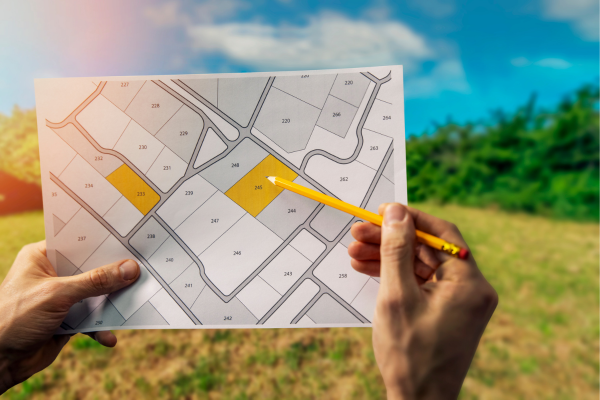
The Telangana government has appointed Singapore-based DP Architects to prepare the master plan for Bharat Future City, a major greenfield urban development project planned on the outskirts of Hyderabad. The appointment marks an important step in advancing one of the state's most ambitious infrastructure and urban planning initiatives.
DP Architects was selected after emerging as the lowest bidder among six firms that participated in the global tender process. The formal work order is expected to be handed over during the inauguration of the Future City Development Authority (FCDA) office at Meerkhanpet on June 10. The firm has been tasked with preparing a comprehensive master plan for the project within a period of nine months.
Bharat Future City is being planned across nearly 765 sq km and is expected to become a key economic and innovation hub for Telangana. In the initial phase, the planning exercise will focus on around 30,000 acres, where land use, infrastructure requirements and development priorities will be mapped in detail. Out of this, nearly 13,000 acres have been identified as the priority development zone.
According to the proposed development framework, the priority area will accommodate several sector-specific clusters. These include a 4,000-acre life sciences hub, a 2,177-acre electronics and advanced manufacturing zone, a 1,976-acre electric vehicle and energy park, a 403-acre artificial intelligence city, a 313-acre data centre hub, a 594-acre health city and a 255-acre education and university district. In addition, around 2,477 acres have been earmarked for residential development to support the workforce and future population expected to settle in the region.
Authorities have also identified land parcels for entertainment, sports infrastructure and furniture manufacturing, reflecting the government's effort to create a mixed-use urban ecosystem rather than a purely industrial township. The master plan is expected to define the location of transport corridors, utility networks, social infrastructure, commercial districts and environmental conservation areas.
The project gains significance because the proposed FCDA region currently falls under multiple planning jurisdictions. Parts of the northern section overlap with areas covered by the Hyderabad Metropolitan Development Authority, while the central portion includes the proposed Hyderabad Pharma City. Large stretches of the southern region continue to be predominantly rural and lack a statutory land-use framework.
Officials believe a unified master plan will help avoid fragmented development and provide a coordinated roadmap for future growth. The planning exercise is expected to integrate industrial development, housing, mobility infrastructure and sustainability measures into a single framework, enabling the region to attract investments while maintaining planned urban expansion.
The Bharat Future City project has been positioned as a future-ready urban centre with a focus on emerging sectors such as life sciences, artificial intelligence, clean energy, electronics manufacturing and digital infrastructure. The state government has previously indicated that the city is being planned as a net-zero development model with an emphasis on sustainable growth, innovation-led industries and employment generation.
With Hyderabad continuing to attract investments across technology, pharmaceuticals, data centres and manufacturing, the proposed city is expected to play an important role in accommodating future economic activity and supporting the state's long-term development strategy.
Advertisement













 Facebook
 Whatsapp
