Advertisement






What really powers the cloud? Behind every Google search, A...
A lot of what defines a home isn’t visible at handover. I...
Private equity has played a significant role in shaping Indi...
Luxury real estate is one of the most talked-about segments ...
Airports play a much bigger role than just enabling travel -...
Delhi’s Barapullah Phase-III flyover is expected to become operational by the end of June, bringing the city closer to completing a major signal-free corridor connecting Mayur Vihar-I and AIIMS. The long-delayed infrastructure project, under construction for nearly a decade, is aimed at reducing congestion between east and south Delhi. Officials said final construction and safety work is currently underway. The project faced delays due to environmental clearances, land-related issues and construction disruptions over the years, while costs also increased significantly from the original estimate.
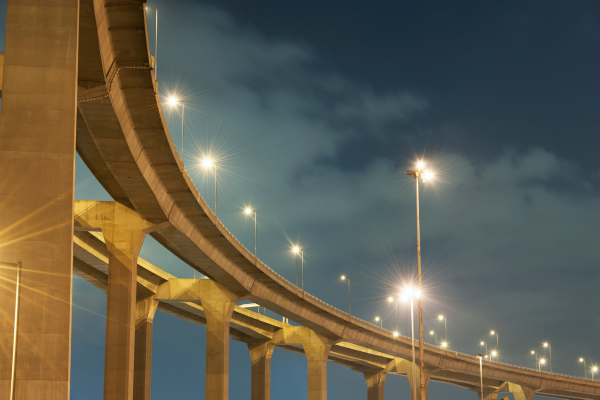
Delhi’s Barapullah Phase-III flyover is likely to be opened by the end of June, according to the city government, which is pushing to complete one of the capital’s longest-pending road infrastructure projects. Advertisement






PWD minister Parvesh Sahib Singh recently visited the project site with senior officials and reviewed the progress of the remaining work. During the inspection, the minister said the Delhi government is targeting completion of the flyover by June 30.
The Barapullah Phase-III project will connect the existing Barapullah corridor with Mayur Vihar-I, creating a nearly 9-km signal-free route between east Delhi and south Delhi. Once operational, commuters travelling from areas such as Mayur Vihar, Akshardham and Patparganj towards AIIMS, INA and South Extension are expected to benefit from reduced travel time and smoother traffic movement.
The project was originally approved in 2015 at an estimated cost of around INR 1,260 crore. However, the corridor witnessed repeated delays over the years due to pending forest and environmental clearances, land acquisition issues, approvals from multiple agencies and technical construction challenges. The pandemic period, labour shortages and pollution-related construction bans in Delhi also affected the pace of work.
According to officials, the overall project cost has already crossed INR 1,238 crore and may rise further as final works are completed. Authorities are currently focusing on finishing ramps, carriageways, safety barriers, lighting systems, landscaping and connectivity loops before opening the corridor for public use.
The Barapullah corridor was initially developed in phases ahead of the Commonwealth Games to improve connectivity across central and south Delhi. Over the years, the route has become an important traffic corridor for daily commuters travelling between east Delhi and major institutional and commercial areas in the capital.
One of the major features of Phase-III is the inclusion of a dedicated cycle track along parts of the corridor. Officials said the infrastructure has been planned to support non-motorised transport and improve urban mobility options in the city.
The project also includes a bridge structure across the Yamuna floodplain. According to officials, long-span sections have been used in some areas to reduce interference with the river flow and minimise environmental impact within the floodplain zone.
Infrastructure experts have earlier pointed out that delays in large urban mobility projects often increase construction costs and continue traffic pressure on surrounding roads. In the case of Barapullah Phase-III, commuters have faced congestion on routes including Ring Road, Mathura Road and nearby connecting stretches during the prolonged construction period.
With the final stage of work now underway, the Delhi government expects the flyover to become a key signal-free urban corridor that can improve connectivity between east, central and south Delhi.
Source PTI
Advertisement













 Facebook
 Whatsapp
