Advertisement






What really powers the cloud? Behind every Google search, A...
A lot of what defines a home isn’t visible at handover. I...
Private equity has played a significant role in shaping Indi...
Luxury real estate is one of the most talked-about segments ...
Airports play a much bigger role than just enabling travel -...
The Capital Region Development Authority (CRDA) in Andhra Pradesh is taking significant steps to expand housing options for citizens and reduce the influence of private real estate developers. They plan to auction 415 residential and commercial plots in Guntur and NTR districts. To make these plots more accessible, the CRDA will collect registration and stamp duty for only 60% of the total cost, categorizing the remaining 40% as a development cost. Buyers will also have the option to pay the total cost in instalments within a year of purchase. This move aligns with the government's efforts to provide affordable housing and promote horizontal urban growth while empowering potential homeowners.
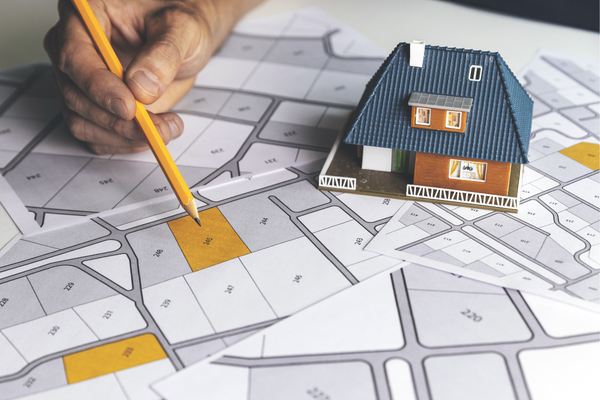


The Capital Region Development Authority (CRDA) in Andhra Pradesh is gearing up to auction a total of 415 residential and commercial plots in Guntur and NTR districts. This significant development comes as the CRDA seeks to expand housing options for common citizens while simultaneously curbing the influence of private real estate developers.
Advertisement






One notable aspect of this initiative is that the CRDA has decided to collect registration and stamp duty only for 60% of the total cost of the plots. The remaining 40% has been categorized as a development cost, providing some financial relief to potential buyers. Additionally, the CRDA is allowing buyers to pay the total cost in instalments within a year of purchase, further increasing accessibility to these plots.
The push to develop affordable housing solutions and make them accessible to the public was spurred by the directive of Chief Minister YS Jagan Mohan Reddy. He called upon urban development authorities and municipal bodies to prepare layouts in close proximity to cities and towns, with the aim of lowering the prices of house sites. This approach seeks to alleviate the financial burden on ordinary citizens and reduce congestion in existing urban areas.
One of the primary goals of creating these housing layouts by civic bodies and urban development authorities is to diminish the influence of private real estate developers. By offering plots directly to the public, the government aims to provide litigation-free properties to commoners at reasonable prices. This strategy not only empowers potential homeowners but also promotes horizontal urban growth.
The CRDA has created townships in four different areas, namely, Payakapuram in Vijayawada, the Amaravati Township in Mangalagiri Tadepalli Corporation, the Chenchupet township in Tenali and another township at Ibrahimpatnam Truck Terminal.
Vivek Yadav, CRDA commissioner, explained that applications for these plots will be accepted online until October 31. Subsequently, the CRDA plans to conduct auctions for the plots based on the total number of applications received. Importantly, all the plots will be auctioned through an e-auction system, ensuring transparency and fairness in the process.
The move to make plots available directly to the public is part of a broader effort to promote affordable housing and reduce the influence of private real estate developers. In recent years, there has been a growing concern about skyrocketing property prices and the limited availability of affordable housing in urban areas.
By providing common citizens with the opportunity to purchase plots at reasonable prices and offering flexible payment options, the government aims to address these challenges. Additionally, the decision to categorize a portion of the cost as a development fee could significantly reduce the financial burden on buyers.
The concept of affordable housing is not unique to Andhra Pradesh. Governments across India have been focusing on affordable housing schemes to cater to the housing needs of their growing urban populations. These initiatives typically involve the development of affordable housing projects with subsidized costs, making them more accessible to the middle and lower-income segments of society.
Advertisement













 Facebook
 Whatsapp
