Advertisement






What really powers the cloud? Behind every Google search, A...
A lot of what defines a home isn’t visible at handover. I...
Private equity has played a significant role in shaping Indi...
Luxury real estate is one of the most talked-about segments ...
Airports play a much bigger role than just enabling travel -...
In a bid to accelerate slum redevelopment and ensure timely rent payments to slum-dwellers, the state government has resolved to amend the Maharashtra Slum Areas (Improvement, Clearance and Redevelopment) Act, 1971. The amendment, approved by the cabinet earlier this week, will empower the Slum Redevelopment Authority (SRA) to attach and sell properties of developers who fail to disburse rents. With developers defaulting on dues amounting to INR 620 crore, this legal framework is aimed at protecting affected residents. Additional changes include reducing the redevelopment proposal submission timeline from 120 to 60 days and expediting land handovers to state agencies.
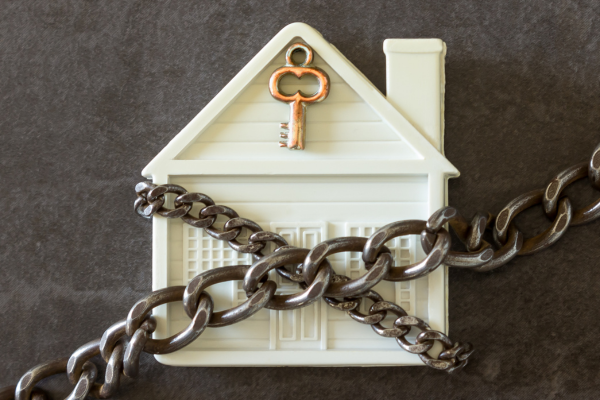
The state government has proposed an amendment to existing legislation that would allow the Slum Redevelopment Authority (SRA) to attach the properties of developers who default on paying rent to slum-dwellers whose homes are undergoing redevelopment. Advertisement






As part of efforts to further incentivise SRA redevelopment projects, the government has also decided to reduce the timeline given to landowners, developers, or housing societies for submitting redevelopment proposals. The revised period will now be 60 days, as opposed to the earlier 120 days, before the responsibility is transferred to a government agency.
The move to establish a legal basis for attaching the assets of defaulting developers comes following complaints that developers had failed to pay rent dues totalling INR 620 crore, which is owed to slum-dwellers until they are allotted possession in the redeveloped tenements built on slum land.
To address this, the state cabinet granted approval earlier this week to amend the Maharashtra Slum Areas (Improvement, Clearance and Redevelopment) Act, 1971, by incorporating a new section-33-B. Under this new provision, the SRA will be authorised to seize developers' properties equal in value to the outstanding rent or dues. These attached properties may then be sold to recover the pending amounts.
Although over INR 120 crore had already been recovered, a large number of slum-dwellers continued to suffer due to incomplete project implementation. Despite it being mandatory for builders to pay two years' rent, including 12 months of post-dated cheques upon receiving a letter of intent, the enforcement had been lax. It was hoped that the legal amendment would help ensure consistent rent payments to slum-dwellers.
Valsa Nair, additional chief secretary of the state housing department, explained that the SRA would take all necessary legal actions to ensure developers prioritise overdue rental payments to slum-dwellers.
The cabinet has also approved three further amendments to the Maharashtra Slum Areas Act to expedite redevelopment. One of these revisions shortens the consent period for landowners to 60 days. Once an area is declared a slum, developers, landowners or housing societies must now submit redevelopment proposals within this 60-day window. Should they fail to do so, the project can be reassigned to a government agency.
An additional amendment mandates that government agencies, including MMRDA, MHADA, MSRDC and CIDCO, receive land within 30 days on a lease of 30 years for redevelopment projects. This change is part of the government's broader goal of making the Mumbai Metropolitan Region (MMR) slum-free.
Moreover, the cabinet has approved the modification of Section 33-A of the Act, which pertains to initiating action against slum-dwellers who refuse to consent to redevelopment plans.
The state's planned amendments to the Maharashtra Slum Areas Act signify a strong stance against defaulting developers and a renewed focus on expediting slum redevelopment. These changes are expected to bring relief to countless slum-dwellers who have long awaited improved housing conditions and timely rent support.
Advertisement













 Facebook
 Whatsapp
