Advertisement






What really powers the cloud? Behind every Google search, A...
A lot of what defines a home isn’t visible at handover. I...
Private equity has played a significant role in shaping Indi...
Luxury real estate is one of the most talked-about segments ...
Airports play a much bigger role than just enabling travel -...
The Uttar Pradesh government has directed Noida, Greater Noida, and Yamuna authorities to identify farmers eligible for enhanced compensation for lands acquired since 1997. Camps will address concerns over compensation and leaseback cases, with emphasis on prompt disbursal. A previous committee, led by Revenue Board Chairman Rajneesh Dube, suggested financial compensation over residential land due to legal challenges, sparking widespread protests from farmers. Around 5,000 farmers have demonstrated, with multiple arrests made. To ease tensions, the government formed a new committee on December 3, led by Anil Kumar Sagar, to review earlier recommendations. Farmer groups demand fair compensation and peaceful dialogue to resolve grievances.
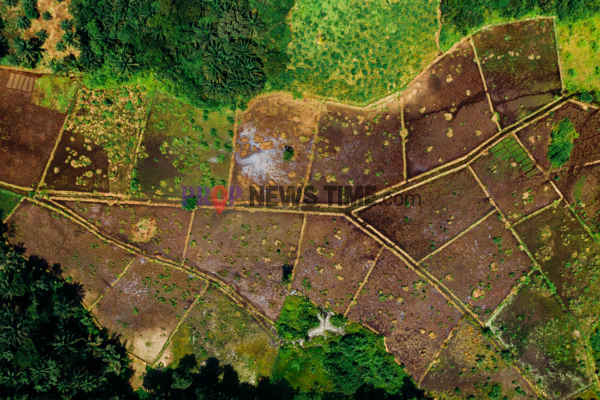
The Uttar Pradesh government recently instructed the Noida, Greater Noida, and Yamuna development authorities to identify farmers eligible for increased compensation for lands acquired since 1997. The directive follows a meeting held in Greater Noida, attended by Chief Secretary Manoj Kumar Singh, DGP Prashant Kumar, and district officials. The officials were tasked with organising camps in villages to address farmers' concerns regarding eligibility, additional compensation, and leaseback cases. The authorities were urged to ensure prompt disbursal of compensation and prioritise allocating spaces in vending zones under the PM SVANidhi scheme. Advertisement






In February, a high-level committee led by Revenue Board Chairman Rajneesh Dube was formed to address farmers' concerns. Its recommendations, submitted in August, included using satellite imagery to resolve settlement cases with a cutoff date of June 30, 2011. It also proposed completing physical surveys and boundary marking within three months to prevent encroachments. However, the committee rejected demands for 10% residential land, citing legal and logistical challenges, including land scarcity and significant financial burdens. Instead, financial compensation was suggested.
The rejection of these demands has triggered widespread protests. Over the past week, approximately 5,000 farmers disrupted traffic on the Noida Expressway and held sit-ins at various locations. Multiple arrests followed, with 77 farmers detained for attempting to march to Delhi earlier in the week and 45 others arrested during protests at Pari Chowk. On Saturday, around 50 farmers were detained while gathering to demonstrate. SP MLA Atul Pradhan, who sought to support the protesters, was also stopped by the police.
Responding to the unrest, the government formed another high-level committee on December 3, headed by Infrastructure and Industrial Development Principal Secretary Anil Kumar Sagar. This new committee will review the Dube panel's recommendations and submit a detailed report within a month. Meanwhile, the farmers, represented by various organisations under the Samyukta Kisan Morcha (SKM), have called for the unconditional release of all detained protesters. They also demanded an end to what they termed police excesses, arguing for a peaceful resolution to the conflict.
The SKM welcomed the formation of the new committee but emphasised the need for an atmosphere conducive to dialogue. Farmer leaders stated that fair treatment and timely compensation are vital to resolving the ongoing unrest and building trust between the government and the farming community.
The UP government is making efforts to address the concerns of farmers impacted by land acquisition, highlighting the delicate balance between developmental needs and community rights. While directives have been issued for prompt resolution of compensation cases, the protests reflect the deep-rooted grievances of farmers regarding perceived inequities. The establishment of a new committee to review recommendations is a step towards fostering dialogue, but the situation demands swift, transparent action to build trust and achieve a sustainable resolution.
Advertisement













 Facebook
 Whatsapp
