Advertisement






The Gulf conflict has disrupted global supply chains, pushed...
REITs have changed the way commercial real estate is owned a...
What does it take to preserve a real estate legacy while bui...
What really powers the cloud? Behind every Google search, A...
A lot of what defines a home isn’t visible at handover. I...
• Keturah has cited government-led policy support and changing buyer preferences as key drivers behind the rapid expansion of wellness-focused real estate developments in the UAE.
• A report released by the Global Wellness Institute stated that wellness real estate accounted for more than 12% of total construction activity in the UAE, with the market expanding from USD 3.3 billion in 2017 to USD 14.6 billion in 2025.
• The report said over 555,000 wellness-oriented residential units are currently planned across the UAE and Saudi Arabia, while the global wellness real estate market is projected to grow from USD 876 billion in 2025 to USD 1.8 trillion by 2030.
• Keturah highlighted its ongoing Dubai developments, including The Ritz-Carlton Residences at Keturah Resort and the AED 5.7 billion Keturah Reserve project, as examples of wellness-led residential planning.
• Industry stakeholders stated that wellness-focused housing is increasingly being linked to long-term value retention, community-focused living and nature-integrated urban development.
Keturah has said the UAE’s expanding wellness real estate sector reflects a broader shift towards wellbeing-focused urban development, following the release of a new report showing the country among the fastest-growing wellness property markets globally. Advertisement






The report, published earlier this week by the Global Wellness Institute (GWI), stated that wellness real estate now accounts for more than 12% of all construction activity in the UAE. According to the study, the country’s wellness real estate market expanded from USD 3.3 billion in 2017 to USD 14.6 billion in 2025.
The report further projected that the global wellness real estate sector would grow from USD 876 billion in 2025 to USD 1.8 trillion by 2030. It also noted that more than 555,000 wellness-focused residential units are currently in the development pipeline across the UAE and Saudi Arabia.
Talal M. Al Gaddah, Chief Executive Officer and Founder of the Keturah luxury brand, stated that government initiatives and national planning priorities in the UAE had contributed significantly to the sector’s growth. He said policy frameworks centred around human wellbeing were increasingly shaping development strategies and influencing how residential projects are being designed.
According to Al Gaddah, the industry is moving beyond traditional sustainability benchmarks such as energy efficiency and green certifications towards broader considerations linked to physical, social and mental wellbeing. He stated that residential environments are increasingly being planned around quality of life, community interaction and long-term liveability.
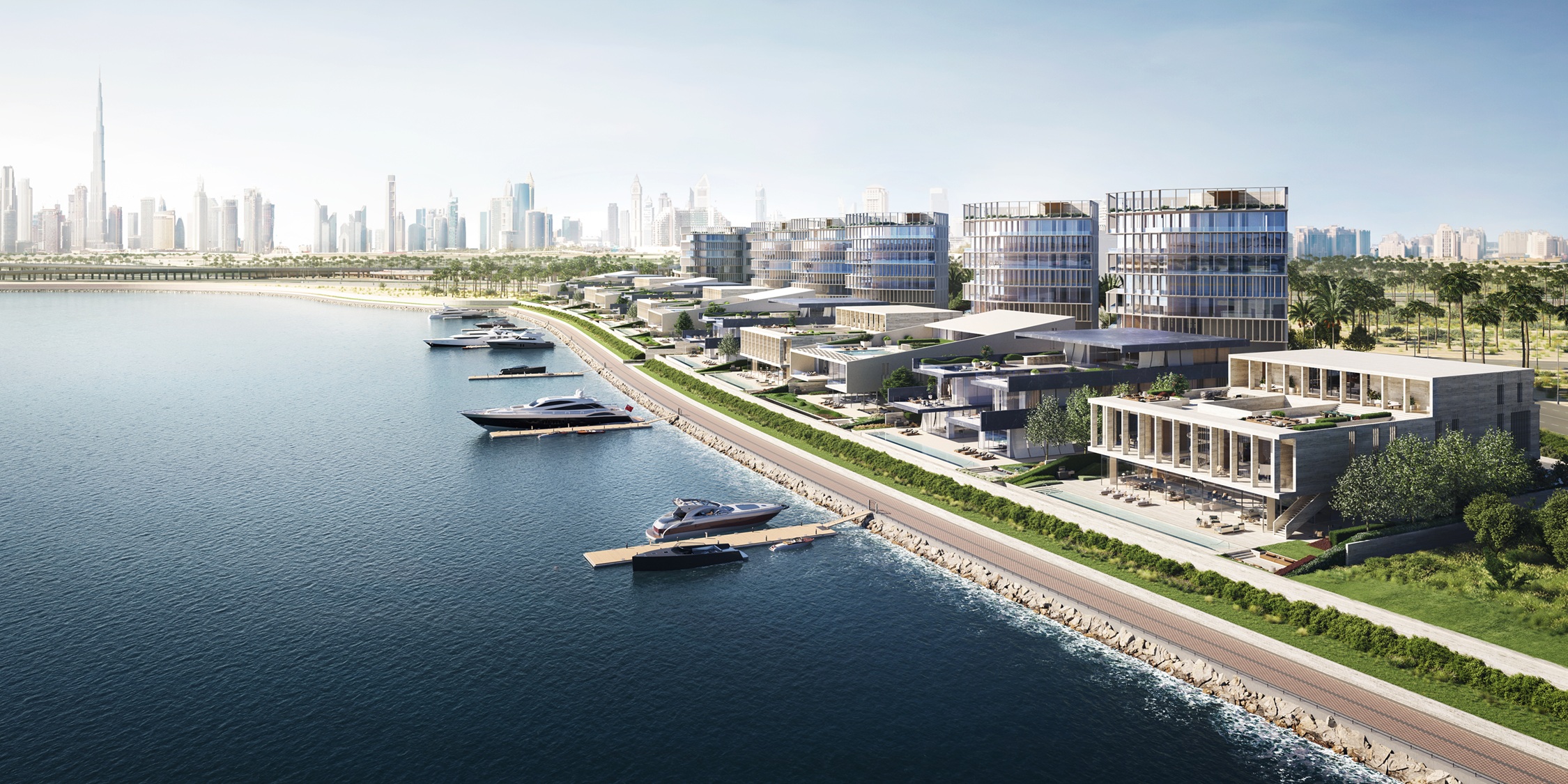
Keturah highlighted two ongoing projects in Dubai that are being developed around wellness-oriented planning principles. The Ritz-Carlton Residences at Keturah Resort, located along Dubai Creek near the Ras Al Khor Wildlife Sanctuary, comprises 12 waterfront mansions, 193 apartments, a boutique hotel, a standalone wellness centre and a private marina. The company stated that the project is positioned as the Middle East’s first fully wellness-certified resort.
The developer is also constructing Keturah Reserve, an AED 5.7 billion residential community at Mohammed Bin Rashid City’s District 7. The project includes 540 homes comprising low-rise apartments, villas and townhouses planned around natural light, open spaces and bio-living concepts.
The GWI report identified nature, cultural identity and heritage as key elements shaping wellness-focused real estate developments. Al Gaddah stated that projects rooted in local identity and natural surroundings tend to create stronger community engagement and long-term residential appeal.
The report, based on a review of more than 300 independent studies, also stated that wellness-focused residential developments in the mid and upper market segments command price premiums ranging between 10% and 25%. According to Keturah, demographic changes, evolving family structures and ageing populations are expected to create additional demand for wellness-oriented housing in the coming years.
Advertisement













 Facebook
 Whatsapp
