Advertisement






What really powers the cloud? Behind every Google search, A...
A lot of what defines a home isn’t visible at handover. I...
Private equity has played a significant role in shaping Indi...
Luxury real estate is one of the most talked-about segments ...
Airports play a much bigger role than just enabling travel -...
Adani Energy Solutions Ltd has operationalised a 1,000 MW high-voltage direct current transmission link between Kudus and Aarey through its subsidiary Adani Electricity Mumbai Infrastructure Ltd. The project spans a 30-km overhead line and a 50-km underground corridor across the Mumbai Metropolitan Region and incorporates what is described as the world's first compact HVDC substation. The infrastructure enables Mumbai to draw higher volumes of electricity, including renewable energy, from outside the city. It is expected to reduce dependence on local generation, improve grid stability, and lower the risk of outages, while supporting the region's growing power demand within a dense urban environment.
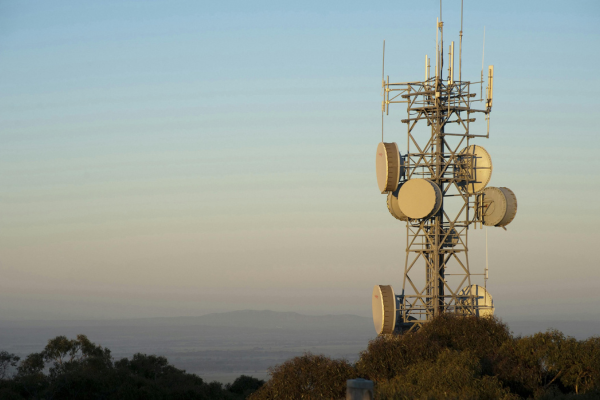
Adani Energy Solutions Ltd (AESL) has commenced operations of a 1,000 MW high-voltage direct current (HVDC) transmission link between Kudus and Aarey in the Mumbai Metropolitan Region through its subsidiary Adani Electricity Mumbai Infrastructure Ltd (AEMIL), according to a company statement issued in the past week. The project has been developed to enhance the city's ability to import power from external sources, particularly to meet rising demand and integrate renewable energy, while addressing the challenges of building infrastructure in a densely populated urban setting. Advertisement






The transmission link comprises a 30-kilometre overhead line and a 50-kilometre underground corridor, reflecting a hybrid design suited to Mumbai's constrained land availability. The system also includes what the company described as the world's first compact HVDC substation, designed to optimise space utilisation within the city.
At an operational level, the project enables Mumbai and the wider metropolitan region to draw additional electricity from outside city limits, including renewable energy generated in other parts of the country. The added capacity of 1,000 MW is expected to reduce reliance on in-city power generation, which has historically been constrained by land and environmental considerations.
The company indicated that the infrastructure strengthens grid resilience and reduces the likelihood of large-scale outages. The project deploys Voltage Source Converter (VSC)-based HVDC technology, which allows efficient transmission over long distances while maintaining stability in complex grid conditions.
AESL stated that the system offers operational advantages such as dynamic voltage support and lower transmission losses, particularly over extended distances. It also incorporates black-start capability, enabling the restoration of power supply without dependence on external sources, thereby facilitating quicker recovery in the event of disruptions.
Kandarp Patel, Chief Executive Officer of AESL, indicated that the project was among the fastest HVDC systems to be commissioned and highlighted its role in strengthening Mumbai's energy security, easing congestion in existing networks, and improving overall grid stability.
Separately, N Venu, Managing Director and Chief Executive Officer of Hitachi Energy India, stated that the commissioning of the Mumbai HVDC link marked a significant milestone for the company, which has been associated with the project's technology deployment.
The commissioning of the Kudus Aarey link forms part of broader efforts to modernise Mumbai's power infrastructure, ensuring reliable supply while accommodating increasing demand and integrating cleaner energy sources into the urban grid.
Source - PTI
Advertisement













 Facebook
 Whatsapp
