Advertisement






What really powers the cloud? Behind every Google search, A...
A lot of what defines a home isn’t visible at handover. I...
Private equity has played a significant role in shaping Indi...
Luxury real estate is one of the most talked-about segments ...
Airports play a much bigger role than just enabling travel -...
Reliance Industries and Jio plan to invest USD 110 billion (around INR 10 trillion) over seven years to develop artificial intelligence infrastructure across India. The move aims to create domestic AI compute capacity, reduce costs, and expand AI services nationwide. Construction of multi-gigawatt data centers has started in Jamnagar, with the first 120-megawatt phase expected later this year. The project will use renewable energy, integrate with Jio's network, and establish edge computing for low-latency AI applications. This positions India to compete in global AI and technology development.
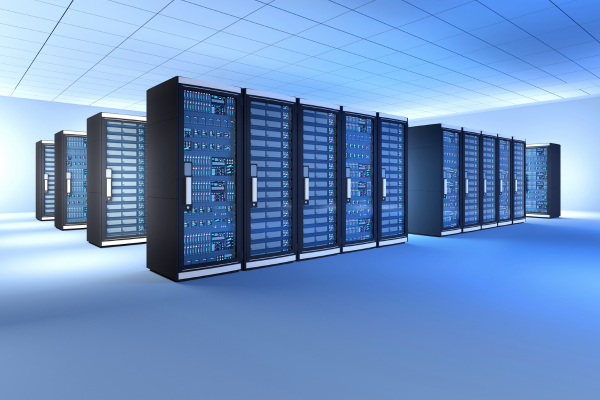
Reliance Industries Ltd and its telecom unit, Reliance Jio Infocomm Ltd, are set to invest USD 110 billion (approximately INR 10 trillion) over the next seven years to establish large-scale artificial intelligence infrastructure in India. Announcing the plan at the India AI Impact Summit in New Delhi earlier this week, chairman Mukesh Ambani said the investment aims to build nation-scale AI capacity and make AI more affordable. He highlighted that the high cost and limited availability of compute power are key obstacles for widespread AI adoption. Advertisement






The project includes building multi-gigawatt AI-ready data centers, edge compute networks, and integrated AI infrastructure across the country. Construction has already begun on facilities in Jamnagar, Gujarat, with the initial 120-megawatt phase expected to be operational later this year. Once complete, the infrastructure will support AI training, inference, and a wide range of applications across sectors.
Ambani emphasized that the facilities will rely heavily on renewable energy, including up to 10 gigawatts of solar power, drawn from sites in Kutch, Gujarat, and Andhra Pradesh. This approach is intended to reduce operational costs while ensuring sustainability. The edge computing network will bring AI closer to users in local stores, classrooms, clinics, and farms, enabling low-latency services and wider accessibility.
The investment also aligns with global and domestic trends, as other Indian conglomerates and multinational tech companies announce large-scale AI infrastructure plans. Tata's technology divisions, for example, have entered partnerships to expand AI data center capacity. The project demonstrates Reliance's strategy of combining technology infrastructure with its existing connectivity network, potentially boosting digital adoption and innovation across India.
Advertisement













 Facebook
 Whatsapp
