Advertisement






What really powers the cloud? Behind every Google search, A...
A lot of what defines a home isn’t visible at handover. I...
Private equity has played a significant role in shaping Indi...
Luxury real estate is one of the most talked-about segments ...
Airports play a much bigger role than just enabling travel -...
Aurangabad is undergoing a transformative infrastructure development phase with projects exceeding INR 30,000 crore. Key initiatives include the INR 70,000 crore Aurangabad Industrial City (AURIC), the INR 186 crore Siemens metro train manufacturing facility, and the INR 1,860 million expansion in Waluj MIDC. Additional developments encompass the Smart City Mission projects, the Integrated Road Development Programme, and the doubling of the Aurangabad-Parbhani rail line. These projects aim to enhance connectivity, boost industrial growth, and improve the quality of life for residents, positioning Aurangabad as a modern urban center.
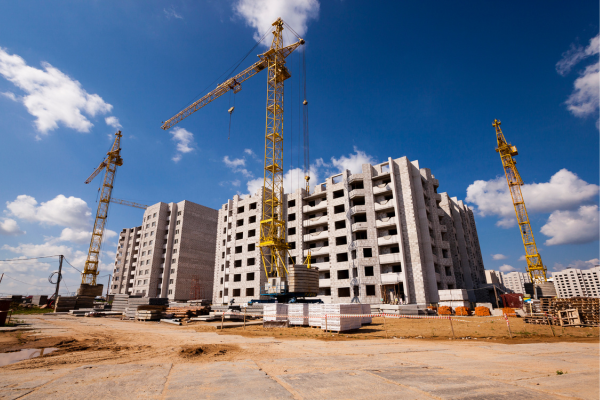
Aurangabad, a city with a rich historical legacy, is now embracing a future-oriented approach through extensive infrastructure development. The city is witnessing a significant transformation with projects totaling over INR 30,000 crore, aiming to enhance connectivity, industrial growth, and urban living standards. Advertisement






A cornerstone of this transformation is the Aurangabad Industrial City (AURIC), a greenfield industrial smart city developed under the Delhi-Mumbai Industrial Corridor (DMIC) initiative. Spanning over 10,000 acres, AURIC is designed to be a self-sustaining industrial ecosystem, attracting investments across various sectors. The project is expected to generate substantial employment opportunities and boost the region's economic profile.
Complementing this industrial growth is the establishment of a metro train manufacturing facility by Siemens, with an investment of INR 186 crore. This facility aims to cater to the growing demand for metro coaches in India and is expected to be operational by 2028. Additionally, the Waluj MIDC area is undergoing a INR 1,860 million infrastructure expansion, focusing on enhancing industrial capabilities and attracting new businesses.
The city's commitment to modernization is further evident in its Smart City Mission projects. These initiatives encompass the development of smart roads, intelligent traffic management systems, and the implementation of digital governance platforms. The Integrated Road Development Programme (IRDP) is also underway, aiming to improve road connectivity and reduce traffic congestion within the city.
In terms of transportation, the doubling of the Aurangabad-Parbhani rail line is a significant development. This project aims to enhance rail connectivity and facilitate smoother movement of goods and passengers between the two cities. Additionally, the city is exploring the feasibility of a metro rail project to further improve urban mobility.
Aurangabad is also focusing on sustainable development through various initiatives. The city is implementing projects aimed at water conservation, waste management, and the promotion of renewable energy sources. These efforts are aligned with the broader goal of creating an environmentally friendly urban environment.
These comprehensive infrastructure developments underscore Aurangabad's commitment to evolving into a modern urban center. By enhancing connectivity, promoting industrial growth, and improving public amenities, the city is poised to offer a higher quality of life to its residents and attract investment for sustained economic development.
Advertisement













 Facebook
 Whatsapp
