Advertisement






What really powers the cloud? Behind every Google search, A...
A lot of what defines a home isn’t visible at handover. I...
Private equity has played a significant role in shaping Indi...
Luxury real estate is one of the most talked-about segments ...
Airports play a much bigger role than just enabling travel -...
The Bhopal Metro, known as the Bhoj Metro, is an ambitious project aimed at transforming urban transportation in Bhopal, Madhya Pradesh. Designed to address traffic congestion and pollution, the metro will offer a modern, eco-friendly transit system. The first phase includes two lines-Orange Line (14.99 km, 16 stations) and Blue Line (12.88 km, 13 stations)-integrating key commercial and residential hubs. Trial runs began in September 2023, with full operations expected by 2027. Featuring advanced amenities, sustainable construction, and funding from government and international bodies, the metro promises improved connectivity, reduced pollution, and enhanced quality of life for residents.
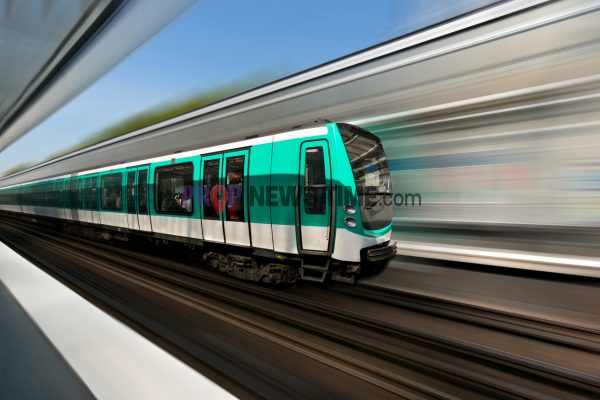
The Bhopal Metro, also known as the Bhoj Metro, is set to transform urban transportation in Bhopal, the capital city of Madhya Pradesh. Designed to address the increasing traffic congestion and pollution, this ambitious metro rail project aims to provide a modern, efficient, and eco-friendly public transit system. With strategic planning, sustainable practices, and significant investments, the Bhopal Metro is poised to enhance connectivity and improve the quality of life for the city's residents. Advertisement






The idea of a metro system for Bhopal was conceived to cater to the city's expanding population and growing transportation needs. As traffic congestion began affecting daily commutes, the Madhya Pradesh Metro Rail Corporation Limited (MPMRCL) proposed the metro project as a sustainable solution. Approved in September 2019, the Bhopal Metro aims to revolutionize the city's public transport infrastructure. The foundation stone was laid in September 2019, and construction commenced soon after.
The Bhopal Metro is designed to integrate seamlessly with the city's existing transport network, offering a reliable and convenient alternative to private vehicles. By reducing the number of vehicles on the road, the metro is expected to lower pollution levels and contribute to a greener urban environment.
The Bhopal Metro's first phase consists of two lines: the Orange Line (Line-2) and the Blue Line (Line-5), covering a total distance of 27.87 kilometres with 29 stations. Orange Line (Line-2): This line stretches from Karond Circle in the north to AIIMS in the south, covering approximately 14.99 kilometres and comprising 16 stations. It passes through major areas such as Bhopal Junction Railway Station, Mangalwara, Nadra Bus Stand, and DB City Mall, ensuring connectivity to key commercial and residential hubs. Blue Line (Line-5): This line extends from Bhadbhada Square to Ratnagiri Tiraha, covering 12.88 kilometres with 13 stations. Important stops include Habibganj Railway Station, Board Office Square, and MP Nagar, a major business district.
Since its inception, the Bhopal Metro has seen significant progress. In September 2023, trial runs began on a 6.22-kilometre priority corridor between AIIMS and Subhash Nagar. The trial runs marked an important milestone, showcasing the project's readiness for partial operations.
The construction involves both elevated and underground sections, with Afcons Infrastructure Limited winning the contract for elevated viaducts and stations in October 2024. Additionally, a joint venture between Kalpataru Projects International Ltd. (KPIL) and Gulermak is responsible for the underground tunneling work for the Orange Line.
The estimated cost for the first phase of the Bhopal Metro is approximately INR 6,941.40 crore. This funding is a mix of contributions from the Central Government, the Government of Madhya Pradesh, and loans from international financial institutions like the Asian Development Bank (ADB) and the European Investment Bank (EIB). The financial backing highlights the project's importance and its potential to drive economic growth in the region.
The Bhopal Metro is designed with modern features to enhance passenger convenience and safety. Each train will have three coaches equipped with air-conditioning, CCTV surveillance, and automatic doors. Stations will include escalators, elevators, and smart ticketing systems for seamless travel.
The construction process incorporates eco-friendly practices, including the use of energy-efficient technologies and sustainable building materials. Stations are designed with rainwater harvesting systems and solar panels to promote renewable energy usage.
The first phase of the Bhopal Metro is expected to be fully operational by 2027. In the future, the network is likely to expand to cover more parts of the city, enhancing connectivity and catering to Bhopal's growing population. Plans for additional lines and extensions are already under consideration, reflecting the city's vision for a comprehensive and integrated public transport system.
The Bhopal Metro represents a significant leap forward for urban mobility in Bhopal. With its modern infrastructure, sustainable practices, and commitment to enhancing public transportation, the metro is set to transform the way residents travel across the city. As the project moves towards completion, it holds the promise of a cleaner, greener, and more connected Bhopal, setting a precedent for other cities in India to follow. The metro's success will not only improve daily commutes but also contribute to the city's long-term growth and development, making Bhopal a model for smart urban transit solutions.
Advertisement













 Facebook
 Whatsapp
