Advertisement






What really powers the cloud? Behind every Google search, A...
A lot of what defines a home isn’t visible at handover. I...
Private equity has played a significant role in shaping Indi...
Luxury real estate is one of the most talked-about segments ...
Airports play a much bigger role than just enabling travel -...
The Kozhikode Light Metro is a transformative urban transit project designed to alleviate traffic congestion and pollution in Kozhikode, Kerala. Spanning 13.3 km with 14 strategically located stations, the elevated metro will connect Meenchanda to Kozhikode Medical College, enhancing connectivity across major commercial and residential hubs. Estimated at INR 2,773 crore, the project aims to provide an eco-friendly, efficient transport system powered by electric trains, contributing to sustainable development. Despite challenges like funding and delays in the Comprehensive Mobility Report, the project is expected to boost local economies, create jobs, and improve urban mobility. Once completed, it could serve as a model for sustainable transport in mid-sized Indian cities.
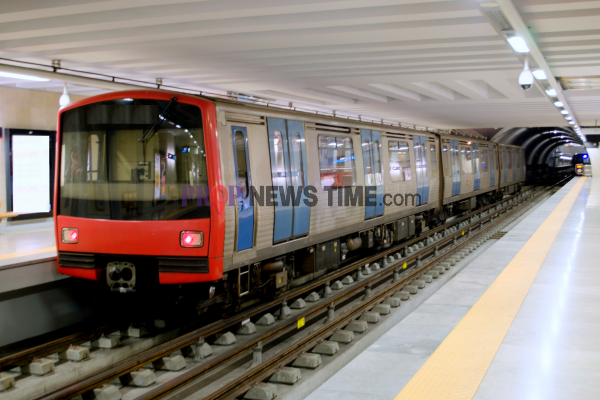
The Kozhikode Light Metro is an urban transit project designed to address the growing transportation needs of Kozhikode, Kerala. Known for its bustling commercial activity, educational hubs, and scenic coastline, Kozhikode has faced increasing traffic congestion over the years. The introduction of the light metro aims to alleviate these issues by providing a modern, efficient, and eco-friendly public transport system. The project promises to enhance connectivity, reduce travel time, and contribute to sustainable urban development in the city. Advertisement






The concept of the Kozhikode Light Metro first emerged in 2010 when traffic congestion and pollution in the city began to escalate. Initially, a monorail system was proposed, but due to concerns about feasibility and high costs, the plan was revised to a Light Rail Transit (LRT) system. The project was entrusted to the Kerala Rapid Transit Corporation Limited (KRTL), which was established to oversee the execution of metro projects in Kerala. The new plan aimed to provide an efficient, elevated metro system that could serve Kozhikode's growing population while integrating with the city's existing transport infrastructure.
The Kozhikode Light Metro will span approximately 13.3 kilometres and will connect Meenchanda in the south to the Kozhikode Medical College in the north. This elevated corridor is expected to include 14 strategically located stations, covering major commercial, residential, and transit hubs. The proposed route includes key areas such as Vattakkinar, Panniyankara, Kallayi, Kozhikode Railway Station, Mananchira, KSRTC Bus Stand, Thondayad, Chevayur, and culminates at the Kozhikode Medical College. The alignment has been designed to provide easy access to important parts of the city, ensuring that residents and visitors can travel conveniently.
The estimated cost of the Kozhikode Light Metro project is around INR 2,773 crore. Funding is expected to come from a combination of state and central government allocations, along with loans from international financial institutions. Given the project's scale and significance, ensuring financial viability is crucial. The previous monorail proposal was scrapped due to financial concerns, making careful planning and funding allocation essential for the success of the light metro. The project's economic impact is expected to be significant, spurring development in areas along the metro route and boosting local businesses.
Since the project's approval, progress has been steady, albeit with some delays. The Comprehensive Mobility Report (CMR), an essential step in finalizing the project's details, was initially expected to be submitted by March 31, 2023. However, the submission was delayed, and the Kochi Metro Rail Limited (KMRL), which was preparing the report, continues to work on completing it. The delay has raised concerns among stakeholders, but there is optimism that once the report is finalized, the project will move forward swiftly.
The Kozhikode Light Metro project offers several potential benefits for the city. By providing a reliable public transport option, it is expected to reduce traffic congestion significantly. This, in turn, will lead to lower pollution levels and contribute to a cleaner urban environment. The metro's electric-powered trains will reduce dependence on fossil fuels, aligning with Kerala's commitment to sustainable development. Additionally, the project will enhance the overall quality of life by making daily commutes faster and more convenient for residents.
The metro's construction and operation will also boost the local economy. Improved connectivity can attract investments, increase property values along the metro corridor, and support the growth of local businesses. Moreover, the project is expected to create job opportunities during both the construction and operational phases. Integrating the metro with other forms of public transport, such as buses and auto-rickshaws, will further enhance its utility and ensure seamless travel for commuters.
Despite its promise, the Kozhikode Light Metro faces several challenges. Securing adequate funding, completing feasibility studies, and obtaining necessary approvals are critical hurdles that need to be overcome. Additionally, the project must address last-mile connectivity issues to make the metro a viable option for a broader segment of the population. Ensuring minimal disruption during the construction phase will also be essential to maintain public support and confidence in the project.
Looking ahead, the Kozhikode Light Metro represents a bold step toward modernizing urban transport in Kerala. As the project progresses, it is expected to serve as a model for other mid-sized cities in India that are grappling with similar traffic and pollution issues. The success of the metro will not only transform Kozhikode's transportation landscape but also set a precedent for sustainable and inclusive urban development in the state.
In conclusion, the Kozhikode Light Metro is more than just a transportation project; it is a vision for a cleaner, more connected, and more prosperous future. With careful planning, timely execution, and continuous stakeholder engagement, the metro has the potential to redefine urban mobility in Kozhikode, offering residents a reliable and modern commuting option while preserving the city's unique character and heritage.
Advertisement













 Facebook
 Whatsapp
