Advertisement






What really powers the cloud? Behind every Google search, A...
A lot of what defines a home isn’t visible at handover. I...
Private equity has played a significant role in shaping Indi...
Luxury real estate is one of the most talked-about segments ...
Airports play a much bigger role than just enabling travel -...
The Navi Mumbai Metro is a long-anticipated rapid transit project designed to ease traffic congestion and enhance connectivity in Maharashtra's satellite city. Managed by CIDCO and Maha Metro, the first phase of Line 1 covers 11.1 km from Belapur to Pendhar, with 11 stations. Launched in November 2023, it features air-conditioned coaches, CCTV surveillance, and digital ticketing. Despite delays, the metro now serves over a million passengers, promoting sustainable, eco-friendly transit by reducing vehicle dependence and pollution. Future expansions to Khandeshwar and beyond aim to integrate key hubs like Panvel and the upcoming Navi Mumbai International Airport, boosting regional mobility.
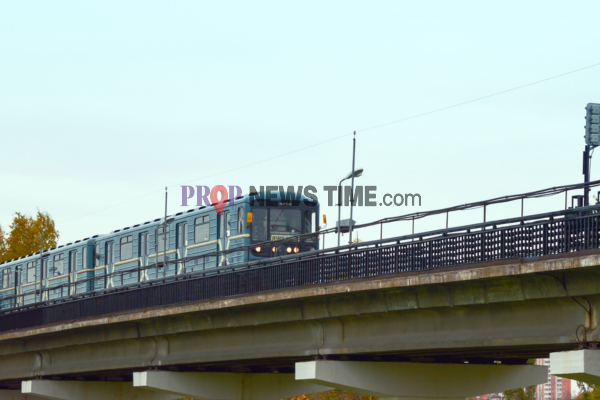
The Navi Mumbai Metro is an ambitious rapid transit project designed to cater to the growing transportation needs of Navi Mumbai, Maharashtra's thriving satellite city. Developed by the City and Industrial Development Corporation (CIDCO), the metro system aims to decongest road traffic, provide efficient connectivity, and contribute to sustainable urban development. After years of delays and challenges, the Navi Mumbai Metro has finally begun its journey towards transforming the region's transit landscape. Advertisement






The Navi Mumbai Metro project was conceptualised in the early 2000s to support the rapid urbanization of Navi Mumbai. The city, known for its planned infrastructure and expanding residential and commercial hubs, faced increasing traffic congestion and pollution due to a reliance on private vehicles and limited public transit options. To address these challenges, CIDCO laid the foundation stone for the project on May 1, 2011, with an initial target completion date of 2014. However, the project faced multiple setbacks, including land acquisition issues, funding constraints, and logistical challenges, which delayed its progress by almost a decade.
The first phase of the metro, known as Line 1, spans 23.40 kilometres and connects Belapur to Khandeshwar with a total of 20 stations. This fully elevated corridor was strategically designed to serve key residential, commercial, and industrial areas in Navi Mumbai. To expedite construction and ensure project completion, CIDCO partnered with the Maharashtra Metro Rail Corporation Limited (Maha Metro) in February 2021. An initial budget of INR 850 crore was allocated for the remaining work, which later increased by another INR 885 crore to cover additional operational costs over ten years.
The operational segment of Line 1, which became functional on November 17, 2023, covers 11.1 kilometres from Belapur to Pendhar and includes 11 stations. This stretch offers connectivity to important areas such as CBD Belapur, Utsav Chowk, Kharghar, Central Park, and Pendhar. The trains run from 6:00 AM to 10:00 PM with a frequency of every 15 minutes. Since its launch, the metro has recorded over 1 million passenger journeys and generated revenue of approximately INR 2.55 crore within the first few months of operation.
The metro trains are equipped with modern amenities such as air-conditioned coaches, CCTV surveillance, and automated fare collection systems to ensure passenger safety and convenience. The stations are designed to be accessible, with elevators, escalators, and dedicated facilities for differently-abled passengers. Additionally, the system promotes digital transactions, with a significant portion of fare collection happening through cashless payment methods.
The Navi Mumbai Metro is not just about improving transportation; it represents a larger vision for the city's sustainable development. By providing a reliable public transit option, the metro reduces the dependency on private vehicles, thereby decreasing traffic congestion and pollution. The electric-powered trains contribute to a cleaner environment by lowering carbon emissions. This aligns with CIDCO's long-term vision of creating an eco-friendly and smart urban infrastructure for Navi Mumbai's growing population.
However, the journey to realizing the full potential of the metro has not been without challenges. The project experienced multiple delays due to issues related to land acquisition, contractor performance, and bureaucratic approvals. Despite these hurdles, CIDCO's persistence and collaboration with Maha Metro ensured the successful completion of the first operational segment. The delays have underscored the need for better planning, coordination, and execution in future phases.
Looking ahead, the future of the Navi Mumbai Metro appears promising. Plans are in place to extend Line 1 to Khandeshwar, completing the entire 23.40-kilometre corridor. This extension will provide better connectivity to Panvel, Navi Mumbai International Airport, and other key regions. Additionally, CIDCO has proposed further metro lines to create a comprehensive network that covers more areas of Navi Mumbai, including potential connections to Taloja and other industrial zones. These expansions are expected to enhance mobility, spur economic growth, and improve the overall quality of life for residents.
The completion of the Navi Mumbai Metro marks the beginning of a new era in the city's infrastructure development. It promises to ease daily commutes, reduce travel time, and provide a comfortable and efficient alternative to road-based transport. For a city that is growing at a rapid pace, the metro is a crucial step towards building a more connected, sustainable, and livable urban environment. As more lines become operational and the network expands, the Navi Mumbai Metro is set to become the backbone of the city's public transportation system, reinforcing its reputation as one of India's most planned and progressive urban centers.

5th Jun, 2025

25th May, 2023

11th May, 2023

27th Apr, 2023
Advertisement









 Facebook
 Whatsapp
