Advertisement






The Gulf conflict has disrupted global supply chains, pushed...
REITs have changed the way commercial real estate is owned a...

What does it take to preserve a real estate legacy while bui...
What really powers the cloud? Behind every Google search, A...
A lot of what defines a home isn’t visible at handover. I...
The Noida Metro’s Aqua Line, operational since January 2019, has become a cornerstone of urban transit for Noida and Greater Noida. Spanning 29.7 km with 21 stations, it connects key residential, commercial, and industrial areas, easing congestion and promoting sustainable growth. Managed by the Noida Metro Rail Corporation (NMRC), the system integrates seamlessly with the Delhi Metro network, linking major corridors through efficient interchange points. Ridership and revenue have grown steadily, prompting plans to extend the network with new corridors and stations. With modern amenities, digital ticketing, and energy-efficient operations, the Aqua Line exemplifies the potential of eco-friendly, accessible public transportation in India’s fast-growing urban centers.
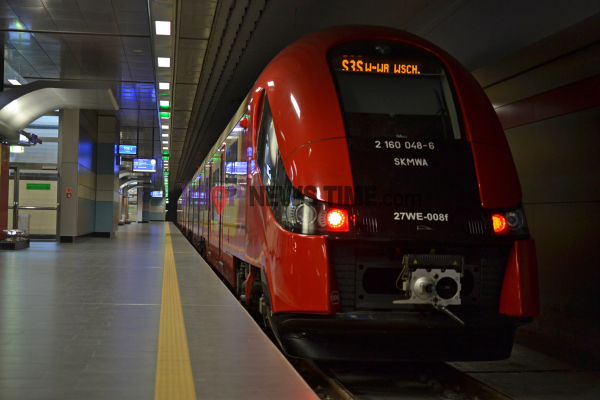
The Noida Metro, officially known as the Aqua Line, has transformed public transportation in the bustling cities of Noida and Greater Noida. Launched in January 2019 and operated by the Noida Metro Rail Corporation (NMRC), this metro line plays a crucial role in enhancing connectivity, reducing road congestion, and supporting the region's rapid urban development. As a significant extension to the broader Delhi Metro network, the Aqua Line connects key residential, commercial, and industrial hubs, offering thousands of commuters a reliable and efficient mode of transportation. Advertisement






The idea for the Noida Metro was conceived to address the increasing traffic congestion and the need for better public transport options in the growing urban centers of Noida and Greater Noida. Construction for the Aqua Line commenced in May 2015 and was completed within a remarkable three-and-a-half years. The line was inaugurated on January 25, 2019, by Uttar Pradesh Chief Minister Yogi Adityanath. The total construction cost for the project was approximately INR 5,503 crore.
The Aqua Line spans a total length of 29.7 kilometers, running from Sector 51 in Noida to the Depot Station in Greater Noida. It features 21 stations, with 15 stations located in Noida and 6 stations in Greater Noida. Key stations along the route include: Noida Sector 51 (interchange with the Delhi Metro’s Blue Line), Noida Sector 50, Noida Sector 76, Noida Sector 101, Noida Sector 137, Pari Chowk (Greater Noida), Alpha 1 (Greater Noida) and Knowledge Park II (Greater Noida).
The Aqua Line runs parallel to the Noida-Greater Noida Expressway, making it easily accessible for residents living along this major corridor. The interchange station at Noida Sector 51 allows seamless connectivity to the Delhi Metro’s Blue Line, facilitating travel between Noida, Delhi, and Greater Noida. Although the interchange requires a short walk, it has significantly improved regional connectivity.
Since its inauguration, the Aqua Line has seen steady growth in ridership, reflecting its importance in daily commutes. In 2019, the average daily ridership was around 18,516 passengers. By 2024, this number had increased to an average of 47,377 daily commuters, representing a 155% growth in just five years. On January 16, 2023, the Aqua Line recorded its highest single-day ridership of 56,168 passengers, highlighting its growing popularity and reliance among the public.
The metro's financial performance mirrors this growth in ridership. Daily average revenue increased from INR 5.4 lakh in 2019 to INR 13.47 lakh in 2024. This increase reflects the rising demand for efficient public transport and the Aqua Line’s role in meeting this need.
The Noida Metro Rail Corporation (NMRC) is actively pursuing network extensions to address the transportation needs of its rapidly growing population. One such initiative is the Sector 51 to Knowledge Park V extension, which will add 17.43 kilometers and 11 new stations at an estimated cost of INR 2,991.60 crore. This project will improve access to key areas such as Sector 61, Sector 70, Sector 122, and Greater Noida West, providing thousands of residents and commuters with more convenient travel options. Another planned expansion, spanning from Sector 142 to Botanical Garden, covers 11.56 kilometers and includes 8 new stations. By linking the Noida Metro with the Delhi Metro’s Magenta Line at Botanical Garden, this corridor will foster greater integration and seamless connectivity across the National Capital Region. Through these comprehensive expansion plans, the NMRC demonstrates its commitment to meeting the growing demand for efficient public transportation, ensuring that Noida and Greater Noida remain well-connected urban centers.
These expansion plans reflect the NMRC’s commitment to meeting the growing demand for public transportation and ensuring that Noida and Greater Noida remain well-connected urban centers. While the Aqua Line has been successful, challenges remain. The interchange between the Aqua Line and the Delhi Metro’s Blue Line at Sector 51 involves a short walk, which some commuters find inconvenient. Addressing last-mile connectivity and integrating feeder services like buses and e-rickshaws could further improve the metro’s efficiency.
Despite these challenges, the Noida Metro's continuous expansion and technological advancements present numerous opportunities for growth. The planned extensions and improved connectivity are set to make the Aqua Line an even more critical component of the NCR's transportation network.
The Noida Metro's Aqua Line is a shining example of how modern public transport can transform urban mobility, reduce traffic congestion, and boost economic development. With its steady growth in ridership, ambitious expansion plans, and focus on sustainability, the Aqua Line is poised to play an even more significant role in the future of the National Capital Region. As Noida and Greater Noida continue to develop, the Aqua Line will remain a lifeline for thousands of commuters, offering a glimpse into the future of efficient, eco-friendly urban transit.
Advertisement













 Facebook
 Whatsapp
