Advertisement






What really powers the cloud? Behind every Google search, A...
A lot of what defines a home isn’t visible at handover. I...
Private equity has played a significant role in shaping Indi...
Luxury real estate is one of the most talked-about segments ...
Airports play a much bigger role than just enabling travel -...
18 Jul 2026
The growing preference for convenience-led services is beginning to influence India's residential real estate market, with advisory firms adopting technology-enabled, customer-centric models that reduce the need for multiple site visits. As virtual consultations, personalised recommendations and digital property discovery become more common, homebuyers are increasingly seeking expert guidance before visiting projects. The shift reflects broader changes in consumer expectations, where convenience, transparency and tailored advice are emerging as key elements of the home-buying journey. While physical inspections remain integral to property purchases, hybrid advisory models are expected to play a larger role in making residential transactions more efficient and customer-focused.Read more

12 Jul 2026
The homebuying journey has undergone a significant transformation as digital adoption, evolving consumer expectations and data-driven decision-making reshape the way properties are marketed. Buyers now expect transparency, personalised engagement and seamless experiences across every touchpoint, from initial research to post-possession support. As technology, CRM platforms and omnichannel strategies become integral to customer engagement, developers are shifting their focus from project promotion to building long-term relationships. The future of real estate marketing will be defined by those who combine digital innovation with customer-centric experiences to foster trust, loyalty and sustained value.Read more

12 Jul 2026
Dharavi's redevelopment presents an opportunity to redefine urban renewal by placing integrated Mechanical, Electrical, Plumbing and Fire Protection (MEPF) infrastructure at the centre of planning. While new housing remains the project's primary objective, long-term success will depend on engineering systems that support resilient, efficient and sustainable communities. Coordinated utility planning, digital engineering, climate-resilient infrastructure, renewable energy integration and lifecycle cost optimisation can transform Dharavi into a benchmark for future urban regeneration in India. As one of the country's largest redevelopment programmes progresses, embedding engineering considerations from the earliest design stages will be essential to creating infrastructure capable of supporting millions of residents and businesses for decades.Read more

11 Jul 2026
India's luxury housing market is witnessing a shift from aspirational homeownership to strategic wealth preservation, with high-net-worth individuals (HNIs), non-resident Indians (NRIs), entrepreneurs and family offices increasingly investing in premium residential assets. Demand for luxury homes in Mumbai Metropolitan Region (MMR), Delhi-NCR and Bengaluru has been supported by limited supply, infrastructure improvements and rising wealth creation. According to industry data, homes priced above INR 1 crore accounted for nearly 62% of residential sales across India's major cities during H1 2025, reflecting growing preference for higher-value properties. Market participants believe luxury housing now offers a combination of capital appreciation, rental income and long-term financial security, making it an increasingly important component of investment portfolios amid inflationary pressures, market volatility and broader economic uncertainty.Read more

11 Jul 2026
India's commercial real estate landscape is gradually expanding beyond its established metropolitan markets, with North East India attracting increasing attention as infrastructure development, policy support and regional connectivity reshape the investment environment. Improvements in transport networks, industrial infrastructure and government-led initiatives have strengthened the region's appeal for businesses seeking expansion opportunities outside traditional office markets. Guwahati, in particular, is emerging as the region's principal commercial centre, supported by its multimodal connectivity and growing corporate presence. As economic activity diversifies across logistics, manufacturing, healthcare, education and services, demand for organised commercial developments is expected to increase. While the market remains at an early stage of development compared with India's established office hubs, improving fundamentals are encouraging developers and occupiers to assess the region's long-term commercial real estate potential.Read more

Advertisement






11 Jul 2026
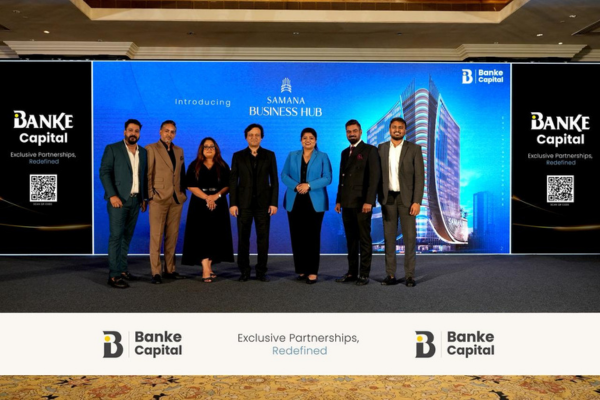
Banke Capital has secured the exclusive master agency mandate for Samana Business Hub, a Grade A commercial development on Sheikh Zayed Road in Dubai, strengthening its international real estate advisory portfolio. Under the agreement, the company will oversee global sales, investor outreach and market positioning for the project, with India identified as a key target market. Scheduled for completion in the second quarter of 2029, the development comprises premium office and retail spaces supported by flexible payment plans. The mandate reflects Banke Capital's continued expansion in cross-border real estate distribution as it broadens its presence among Indian investors seeking overseas commercial property opportunities.Read more
05 Jul 2026
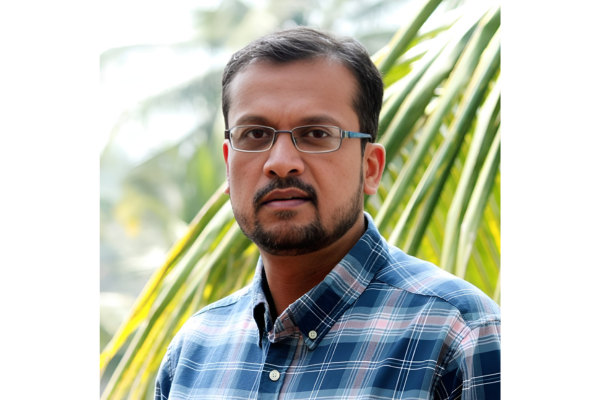
With the arrival of the monsoon, homeowners face challenges such as water seepage, dampness, structural deterioration and electrical hazards that can affect both property and occupant safety. This guide outlines practical measures to prepare homes for the rainy season, including structural inspections, waterproofing, drainage maintenance, electrical safety checks and moisture control. It also highlights the importance of climate-responsive design features that improve resilience against extreme weather. Timely maintenance and preventive action can help protect homes, reduce repair costs and ensure a safer, more comfortable living environment throughout the monsoon.Read more
05 Jul 2026
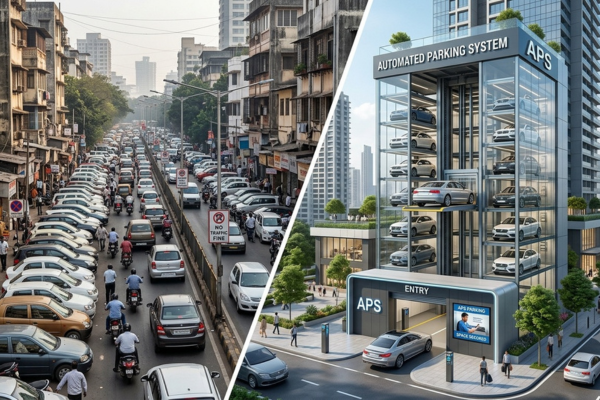
Rapid urbanisation, rising vehicle ownership and shrinking land availability are intensifying parking challenges across India's major cities, particularly Mumbai. As conventional parking models become increasingly inefficient in high-density developments and redevelopment projects, Automated Parking Systems (APS) are emerging as a space-efficient alternative. By optimising land utilisation, improving traffic flow within buildings and enhancing safety and convenience, APS is gaining traction among developers and urban planners. With global cities already adopting advanced parking technologies, intelligent parking solutions are expected to play a growing role in supporting future urban development in India.Read more
05 Jul 2026
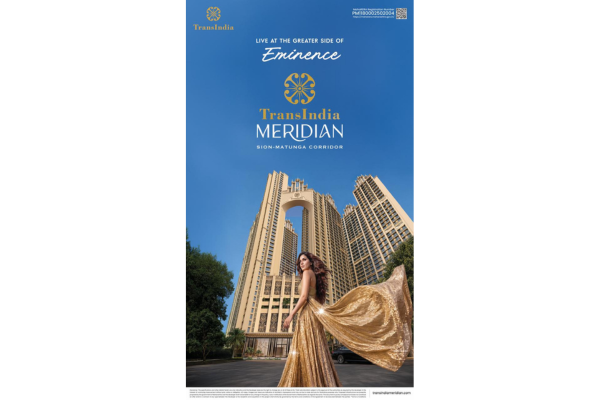
TransIndia Group has launched TransIndia Meridian, a 3.2-acre residential development in Mumbai's Sion-Matunga corridor, expanding its presence in the city's premium housing market. The project comprises six residential towers offering 2 and 3 BHK apartments, along with more than 50 lifestyle amenities, premium retail frontage and multi-level parking. Located in one of Central Mumbai's established residential neighbourhoods, the development is positioned to benefit from existing social infrastructure and ongoing connectivity improvements. The project also reflects the developer's continued expansion across Mumbai, where it has delivered over 12 lakh sq ft of real estate and currently has more than 55 lakh sq ft under development.Read more
04 Jul 2026
Redevelopment is reshaping Mumbai's residential market as land scarcity pushes developers towards established neighbourhoods with ageing housing stock. While the Western suburbs account for the majority of redevelopment activity, buyer preferences are also evolving, with demand increasingly centred on liveability, community and connectivity rather than traditional luxury addresses. Localities such as Kalanagar illustrate how mature residential enclaves with strong social infrastructure, cultural identity and strategic connectivity are emerging as attractive redevelopment destinations capable of supporting the city's next phase of premium housing.Read more
Advertisement









