Advertisement










When should a housing society in Mumbai start considering re...
From GST on JDAs to SEBI’s REIT reclassification and the S...
Stay ahead in the world of real estate with our daily podcas...
Stay ahead in the world of real estate with our daily podcas...
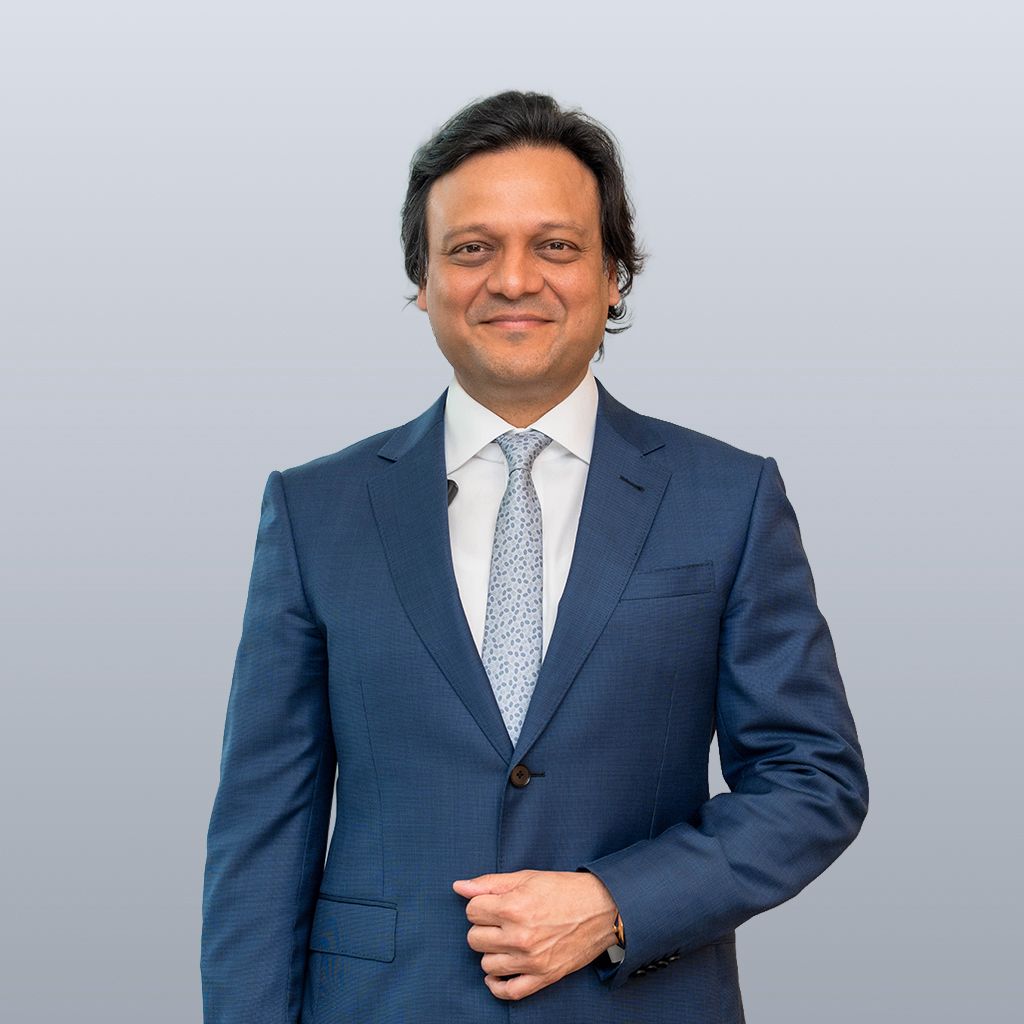
Dubai's residential real estate market is witnessing renewed investor attention as global economic uncertainty drives capital towards stable markets. While geopolitical tensions have created cautious sentiment, Dubai has continued to attract inflows, particularly from India, Europe, and Asia. Select segments are seeing moderate price corrections and improved negotiation scope, offering entry opportunities for investors. Despite this, underlying demand remains stable, with prime locations continuing to hold or appreciate in value. Rental yields of 7-10%, policy measures such as the Golden Visa, and investor-friendly regulations have supported sustained interest. The market's resilience is underpinned by population growth, infrastructure development, and consistent demand from high-net-worth individuals.
Dubai's residential real estate market is attracting increased investor interest in the current global environment, with capital flows consolidating into the emirate amid geopolitical uncertainty and shifting macroeconomic conditions. Advertisement


Industry stakeholders indicate that global caution, driven by currency volatility and geopolitical developments, has led to a temporary pause in investment decisions across markets. However, Dubai has continued to be viewed as a relatively stable destination, resulting in sustained capital inflows from regions including India, Europe, and Asia.
The market is currently witnessing moderate price adjustments in select segments, alongside increased flexibility in negotiations. These conditions have created a potential entry window for investors who had previously deferred purchasing decisions. Despite this, the overall market does not reflect distress, with demand in prime and established locations remaining steady and, in some cases, showing continued price appreciation.
Dubai's resilience has been supported by a combination of policy measures and economic stability. Authorities have undertaken financial commitments aimed at maintaining economic activity and supporting residents, ensuring that daily operations across sectors remain largely unaffected. This has reinforced investor confidence in the market's stability during periods of global volatility.
The emirate continues to benefit from strong rental performance, with yields typically ranging between 7% and 10%, positioning it competitively against global markets such as London, New York, and Singapore. This has strengthened its appeal not only as a capital appreciation opportunity but also as a steady income-generating asset class.
Indian investors remain among the most active participants in Dubai's property market, particularly in premium and luxury segments. Factors such as zero income tax, availability of freehold ownership for foreign buyers, and a regulatory framework designed to safeguard investor interests have contributed to sustained participation. In addition, the UAE's Golden Visa programme has introduced a long-term residency dimension to property ownership, influencing investment decisions beyond financial returns.
The luxury and ultra-luxury segments have continued to record transaction activity, including high-value deals, indicating sustained confidence among high-net-worth individuals. Developers have also introduced measures such as fee waivers and flexible payment plans to facilitate transactions and support demand.
Historical trends indicate that Dubai's real estate market has demonstrated the ability to recover and expand following periods of global uncertainty. Current fundamentals, including population growth, infrastructure expansion, and economic diversification, continue to support long-term demand.
The present market conditions reflect a combination of stable fundamentals and short-term pricing flexibility, with investors evaluating opportunities in a market that continues to attract global capital while maintaining steady underlying demand.
Disclaimer:
The views, opinions, and information expressed in this article are solely those of the author and do not necessarily reflect the views of Prop News Time. The content has not been independently verified or endorsed by Prop News Time. Readers are advised to exercise their own discretion and seek professional advice if required.

5th Jun, 2025

25th May, 2023

11th May, 2023

27th Apr, 2023
Advertisement








 Facebook
 Whatsapp
