When should a housing society in Mumbai start considering re...
From GST on JDAs to SEBI’s REIT reclassification and the S...
Stay ahead in the world of real estate with our daily podcas...
The Palace of Westminster, also known as the Houses of Parliament, is a historic building complex located in Westminster, London, England. It serves as the meeting place for both the House of Commons and the House of Lords, the two houses of the Parliament of the United Kingdom. The palace has a rich history dating back to the 11th century, with the first royal palace constructed on the site. The original palace was the primary residence of the English monarchs until 1512, when a fire destroyed the royal apartments. The monarch then moved to the nearby Palace of Whitehall, but the remainder of the palace continued to serve as the home of the Parliament of England, which had met there since the 13th century. The building was destroyed in a second fire in 1834, and the current palace was designed by architects Charles Barry and Augustus Pugin in the Gothic Revival style. Construction on the new palace began in 1840 and was completed in 1870. The Palace of Westminster is an impressi ...
Read moreThe Palace of Versailles is a former royal residence located in Versailles, about 19 kilometers (12 miles) west of Paris, France. It was commissioned by King Louis XIV and served as the seat of his court and government from 1682 to 1789. The palace is owned by the French government and managed by the Public Establishment of the Palace, Museum, and National Estate of Versailles. It is one of the most popular tourist attractions in the world, with over 15 million visitors annually. The palace was built in several phases, with the earliest portion constructed for Louis XIII in the style of his reign. The main structure was expanded and renovated by Jules Hardouin-Mansart and Ange-Jacques Gabriel, with the addition of neoclassical elements. The palace features a U-shaped layout with a grand courtyard and symmetrical wings, covering an area of 63,154 square meters with 2,143 windows, 1,252 chimneys, and 67 staircases. The Palace of Versailles has played a significant role in French hi ...
Read moreThe Palace of the Popes, located in Avignon, France, is a historical palace that served as the residence of the popes from 1309 to 1377. It is one of the largest and most important medieval Gothic buildings in Europe, listed as a UNESCO World Heritage Site. The palace was built in two phases, with the Old Palace constructed by Pope Benedict XII and the New Palace added by Pope Clement VI. The Old Palace, built between 1335 and 1342, is characterized by its robust and imposing architecture, with thick walls and a strong defensive system. It features a large courtyard, surrounded by a series of buildings, including the papal apartments, the chapel, and the great hall. The Old Palace is also home to the famous Consistory, a large ceremonial hall used for important meetings and ceremonies. The New Palace, built between 1352 and 1364, is a more refined and elegant structure, with a focus on beauty and luxury. It features a grand staircase, ornate ceilings, and intricate stone carvings ...
Read moreOsaka Castle is a Japanese castle located in Chūō-ku, Osaka, Japan. It is one of Japan's most famous landmarks and played a significant role in the unification of Japan during the sixteenth century. The castle was initially built by Toyotomi Hideyoshi in 1583 on the site of the former Ishiyama Hongan-ji Temple, which was destroyed by Oda Nobunaga. Hideyoshi intended the castle to be the center of a unified Japan under Toyotomi rule. The original castle was an impressive structure, featuring a five-story main keep (tenshu) that stood over 40 meters tall. The castle was surrounded by a series of concentric rings of walls and moats, making it a formidable defensive structure. The castle's design and construction were a testament to the engineering prowess of the time, with the use of advanced construction techniques and materials. However, after Hideyoshi's death, the castle was destroyed by Tokugawa troops in 1615 and rebuilt by Tokugawa Hidetada in the 1620s. The main keep was s ...
Read moreThe Basilica of Notre-Dame de Fourvière is a stunning minor basilica located in Lyon, France. Built between 1872 and 1896, it sits atop the Fourvière hill, offering breathtaking views of the city. The basilica is dedicated to the Virgin Mary, who is credited with saving Lyon from the Black Death in 1643. It features a unique blend of Romanesque and Byzantine architectural styles, with intricate mosaics, stained glass, and ornate decorations. The basilica is a symbol of Lyon and attracts over 2.5 million visitors annually, making it a must-visit destination in the city. The interior of the basilica is just as impressive as its exterior. The main nave is adorned with a stunning mosaic ceiling, depicting scenes from the Bible. The apse is home to a beautiful golden mosaic of the Virgin Mary, surrounded by intricate stone carvings. The basilica also features several chapels, each with its own unique decorations and artwork. Visitors can also climb to the top of the basilica for panora ...
Read moreSainte-Chapelle, nestled within the medieval heart of Paris, France, is far from an ordinary chapel. This architectural masterpiece, built in the mid-13th century, stands as a breathtaking example of Gothic architecture and a testament to the artistic and religious fervor of its time. Commissioned by King Louis IX in 1241, Sainte-Chapelle was constructed to house his collection of precious Christian relics, including the Crown of Thorns. Completed in just seven years, the chapel is renowned for its stunning stained glass windows, which make up more than three-quarters of its structure. These windows, comprising 15 towering panels, depict over 1,100 scenes from the Bible, bathing the interior in a kaleidoscope of vibrant colors and ethereal light. The chapel is divided into two levels. The lower chapel, originally used by the palace staff, features a low vaulted ceiling adorned with fleur-de-lis and rich blues and reds. In contrast, the upper chapel, reserved for the royal family, ...
Read moreThe Royal Palace of Madrid, majestically situated in Spain's capital, is far from an ordinary palace. Serving as the official residence of the Spanish Royal Family, this grandiose structure is a symbol of Spain's rich history and architectural splendor, even though the royal family now resides in the more modest Palacio de la Zarzuela. Constructed in the mid-18th century on the site of the old Alcázar, which was destroyed by fire in 1734, the Royal Palace was designed by Italian architects Filippo Juvarra and Giovanni Battista Sacchetti. It showcases a harmonious blend of Baroque and Classical styles, characterized by its grand facades, intricate details, and imposing columns. Spanning over 135,000 square meters and containing more than 3,400 rooms, it is one of the largest palaces in Europe. The palace's interior is a testament to royal luxury and artistry. The Throne Room, with its opulent red velvet walls, gilded moldings, and magnificent chandeliers, exemplifies the grandeur ...
Read moreRosenborg Castle, nestled in the heart of Copenhagen, Denmark, isn't your average royal residence. Built in the early 17th century by King Christian IV, this architectural gem is a shining example of the Danish Renaissance. Completed in 1624, Rosenborg Castle served as a royal summer residence and remains one of the most captivating landmarks in Denmark. The castle’s design reflects the distinctive Dutch Renaissance style, characterized by ornate gables, a red brick façade, and lush, meticulously manicured gardens. Its construction, overseen by the famous architect Hans van Steenwinckel the Younger, resulted in a stunning combination of elegance and fortification, creating a palace that is both beautiful and formidable. Inside, Rosenborg Castle offers a fascinating glimpse into royal life. The rooms are adorned with exquisite tapestries, intricate woodwork, and opulent furnishings, showcasing the grandeur of Denmark’s royal court. The Great Hall, the castle’s centerpiece, ...
Read more"Qorikancha, nestled in the heart of Cusco, Peru, is no ordinary temple. This sacred site, once the most important temple in the Inca Empire, stands as a testament to the advanced engineering, architectural prowess, and spiritual depth of the Inca civilization. Originally known as Inti Kancha or Inti Wasi, meaning "Temple of the Sun" or "House of the Sun," Qorikancha was dedicated to Inti, the Inca sun god. Constructed during the reign of Emperor Pachacuti in the 15th century, the temple was renowned for its opulence, featuring walls and floors covered in sheets of pure gold and adorned with golden statues and offerings. Qorikancha's architecture is a marvel of Inca engineering. The temple's stonework showcases the precise masonry for which the Incas were famous, with meticulously cut stones fitting together so perfectly that not even a blade of grass could fit between them. This construction technique provided remarkable durability and earthquake resistance, ensuring the structu ...
Read morePrague Castle, majestically overlooking the Vltava River in Prague, Czech Republic, is far from an ordinary castle. This sprawling complex, dating back to the 9th century, is one of the largest castles in the world and a symbol of Czech history and culture. Founded in 870 AD, Prague Castle has evolved over the centuries from a wooden fortress into a magnificent architectural masterpiece, showcasing a blend of Gothic, Romanesque, Baroque, and Renaissance styles. The castle complex spans over 70,000 square meters and includes stunning palaces, churches, gardens, and defensive towers. One of the most iconic structures within the castle grounds is St. Vitus Cathedral, a Gothic marvel that took nearly 600 years to complete. Its soaring spires, intricate stained glass windows, and ornate chapels make it a centerpiece of Czech spiritual and cultural life. The cathedral also houses the tombs of Bohemian kings and the Czech crown jewels. The Old Royal Palace, another highlight, boasts th ...
Read morePotala Palace, located in Lhasa, Tibet, China, is a stunning example of Tibetan architecture and is one of the most iconic landmarks in the region. The palace was the former residence of the Dalai Lamas, the spiritual and political leaders of Tibet, and is a testament to the region's rich cultural heritage. The centerpiece of the Potala Palace complex is the grand White Palace, with its imposing structure and intricate architectural details. The palace's interior is equally impressive, featuring lavishly decorated rooms, ornate furnishings, and an extensive collection of Tibetan art and artifacts, including thangka paintings, statues, and religious texts. The palace's grounds are equally impressive, featuring a series of chapels, shrines, and gardens that showcase the spiritual and cultural significance of the site. The Potala Palace is also renowned for its stunning views of the Lhasa Valley and the surrounding Himalayan mountains. Fun Fact: Potala Palace is home to the world ...
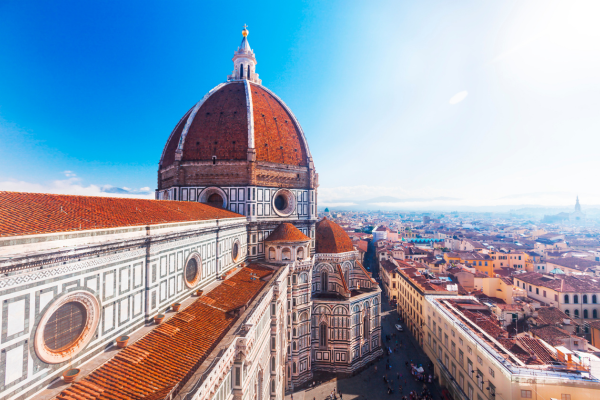
Read morePitti Palace, located in Florence, Italy, is a stunning example of Renaissance architecture and is one of the largest museum complexes in Italy. The palace was commissioned by the Pitti family in the 15th century and later became the primary residence of the Medici family, the powerful ruling dynasty of Florence. The centerpiece of the Pitti Palace complex is the grand Palazzo Pitti, with its imposing façade and impressive scale. The palace's interior is equally magnificent, featuring lavishly decorated rooms, ornate furnishings, and an extensive collection of artwork, including masterpieces by Raphael, Titian, and Rubens. The palace's gardens, known as the Boboli Gardens, are equally impressive, featuring a series of terraces, fountains, and sculptures that showcase the grandeur of the Medici dynasty. The gardens also offer breathtaking views of the city of Florence and the surrounding Tuscan countryside. Fun Fact: Pitti Palace is home to the Palatine Gallery, which houses one ...
Read morePeterhof Palace, located in St. Petersburg, Russia, is a stunning example of 18th-century Baroque architecture and is often referred to as the ""Russian Versailles"". The palace was commissioned by Tsar Peter the Great in the early 1700s, inspired by his visit to the Palace of Versailles in France. The centerpiece of the Peterhof complex is the Grand Palace, with its bright yellow walls, white stucco decorations, and gilded domes. The palace's gardens are equally impressive, featuring over 150 fountains, including the famous Grand Cascade, which perfectly frames the Grand Palace. The grounds also boast a variety of other palaces, such as the Monplaisir Palace and the English Palace, each with its own unique architectural style and historical significance. Fun Fact: Peterhof is connected by a network of over 63 kilometers of canals, which were used to power the hundreds of fountains throughout the complex. This innovative water management system was a testament to the engineering ...
Read morePena Palace, located in Sintra, Portugal, is a stunning example of 19th-century Romantic architecture. Built on the site of an old monastery, the palace stands atop a hill, offering breathtaking views of the surrounding landscape. The palace is a UNESCO World Heritage Site and is renowned for its exceptional beauty, historical significance, and innovative design. The palace features a unique blend of architectural styles, including Manueline, Gothic, Renaissance, and Moorish elements. The exterior is adorned with vibrant colors, intricate carvings, and whimsical turrets, making it a true feast for the eyes. The interior of the palace is equally impressive, with lavishly decorated rooms, ornate furnishings, and stunning artwork. Pena Palace was commissioned by King Ferdinand II in the mid-19th century and served as a summer residence for the Portuguese royal family. The palace was designed by German architect Baron Wilhelm Ludwig von Eschwege and took over a decade to complete. Th ...
Read moreThe Parthenon, a magnificent ancient Greek temple located in Athens, Greece, is far from an ordinary structure. This UNESCO World Heritage site is renowned for its stunning classical architecture, rich history, and iconic status as a symbol of ancient Greek civilization. Constructed between 447 and 438 BCE, the Parthenon was built as a temple dedicated to the goddess Athena, the patron deity of the city of Athens. Designed by the architects Ictinus and Callicrates, the temple is a masterpiece of classical Greek architecture, featuring a distinctive Doric style with a peristyle of 46 outer columns and 23 columns on each side. The Parthenon's pediments, metopes, and frieze are adorned with intricate sculptural decorations depicting scenes from Greek mythology, showcasing the craftsmanship and artistic prowess of ancient Greek sculptors. Unlike the Smolny Cathedral, the Parthenon was not intended as a place of worship, but rather as a temple and monument to the goddess Athena. Af ...
Read moreThe Smolny Cathedral is a stunning Baroque-style cathedral located in St. Petersburg, Russia, on the left bank of the Neva River. Originally intended as a monastery for Empress Elizabeth, it was built between 1748 and 1764 by architect Francesco Bartolomeo Rastrelli. The cathedral features a striking blue-and-white exterior and a simple yet solemn interior with marble columns, crystal balustrades, and three magnificent iconostases. Today, it serves as a concert hall and is part of the Smolny Convent, which houses various offices and government institutions. Fun Fact: The Smolny Cathedral has a fascinating history. Initially designed to be the central church of a monastery for Empress Elizabeth, who wanted to retire as a nun, the project was abandoned when she unexpectedly became the Empress of Russia after a coup. The cathedral was eventually completed in 1835 and has since been used as a concert hall and educational institution, housing Russia's first school for girls of noble orig ...
Read moreSigiriya, also known as the Lion Rock, is an ancient rock fortress and archaeological site located in central Sri Lanka. It is one of the most fascinating landmarks in the country, attracting thousands of visitors each year. The rock citadel stands majestically at a height of 200 meters, offering breathtaking views of the surrounding area. Sigiriya is a UNESCO World Heritage Site and is renowned for its exceptional beauty, historical significance, and innovative urban planning. The site features stunning frescoes, a mirror wall, and a sky palace with advanced water management systems. The rock fortress was built by King Kasyapa in the 5th century AD and served as his royal palace and fortress. It was abandoned after his death and remained hidden for centuries until its rediscovery in the 19th century. Today, it stands as a testament to the ancient civilization that once thrived in Sri Lanka. Fun Fact: Sigiriya boasts an advanced water management system that utilized complex hydrauli ...
Read moreThe Shwedagon Pagoda, also known as the Golden Pagoda, is a sacred Buddhist temple located in Yangon, Myanmar. This magnificent structure is a symbol of Myanmar's rich cultural heritage and is considered one of the most beautiful temples in the world. The pagoda is built on Singuttara Hill, 170 meters above sea level, and stands at an impressive 112 meters tall. Its golden exterior is adorned with intricate designs and precious stones, making it a breathtaking sight to behold. The temple houses important relics of the four previous Buddhas, including strands of Gautama Buddha's hair, a water filter from Kogamana, a piece of Kassapa's robe, and the staff of Kakusandha. Fun Fact: The Shwedagon Pagoda is believed to be over 2,600 years old, although there is no historical evidence to support this claim. Despite the uncertainty, the pagoda remains a significant cultural and spiritual landmark in Myanmar, attracting millions of visitors each year. ...
Read moreSeville Cathedral, located in the heart of Seville, Spain, is an impressive Gothic structure that stands as the third largest cathedral in the world and the largest Gothic cathedral globally. Built on the site of the Almohad Mosque, which was damaged in an earthquake in 1356, the cathedral took over a century to complete, spanning from 1402 to 1506. The cathedral's design incorporates elements from various architectural styles, including Gothic, Baroque, and Mudejar, and features ornate interiors, stained glass windows, and a grand central nave that stands at 40 meters high. It is also the final resting place of Christopher Columbus and houses the Biblioteca Colombina, a renowned library containing over 100,000 volumes, including incunabula and manuscripts. Fun Fact: Seville Cathedral is known for its unique ability to "breathe." Due to temperature changes, the vaults of the cathedral expand and contract by several centimeters daily, a phenomenon that was only discovered in 2006 dur ...
Read moreSchönbrunn Palace is a magnificent Baroque palace located in Hietzing, Vienna, Austria. It was the main summer residence of the Habsburg rulers and is one of the most important architectural, cultural, and historic monuments in the country. The palace boasts over 1,441 rooms, including 1,400 bedrooms, 70 state rooms, and 20 stables. It is surrounded by beautiful gardens that were opened to the public in 1779, featuring a mix of formal and informal landscapes, including a maze, a labyrinth, and a zoo. The palace's design is a blend of Rococo and Baroque styles, with ornate decorations and furnishings that reflect the opulence of the Habsburg dynasty. Fun Fact:Schönbrunn Palace is home to the longest Baroque orangery in the world, measuring 189 meters in length. This impressive structure was built during the reign of Empress Maria Theresa and is a testament to the grandeur and beauty of the palace's gardens. The orangery was designed to provide a warm and protected environment for t ...
Read moreNeuschwanstein Castle, nestled in the picturesque Bavarian Alps near Schwangau, Germany, is no ordinary fortress. This fairy-tale castle, built in the 19th century, embodies the romantic ideals of its creator, King Ludwig II of Bavaria, and has become an iconic symbol of German architectural prowess and romanticism. Commissioned by King Ludwig II in 1869, Neuschwanstein Castle was envisioned as a homage to the grandeur of medieval German knights' castles while incorporating the architectural styles of Romanesque and Byzantine influences. Its design reflects a blend of fantasy and reality, featuring soaring towers, turrets, and ornate balconies that evoke a sense of whimsy and wonder. Perched on a rugged hilltop overlooking the Bavarian countryside, Neuschwanstein Castle offers panoramic views of the surrounding landscape, including the crystal-clear Alpsee Lake and the snow-capped peaks of the Alps. Its interior is equally enchanting, adorned with elaborate wood carvings, intrica ...
Read moreMysore Palace, located in Karnataka, India, is far more than a mere royal residence. This architectural gem stands as a testament to the opulence, heritage, and cultural richness of the region, captivating visitors with its blend of Indo-Saracenic, Rajput, Hindu, and Gothic architectural styles. Originally built in the 14th century and later reconstructed in the early 20th century after a fire, Mysore Palace served as the seat of the Wodeyar Maharajas, who ruled the Kingdom of Mysore. Its current incarnation, designed by British architect Henry Irwin, embodies the grandeur and splendor of the bygone era, adorned with intricate carvings, vibrant frescoes, and ornate ceilings that narrate tales of Karnataka's royal history. The palace's exterior is a marvel of intricately carved domes, arches, and towers, adorned with colorful tiles and stained glass windows that catch the sunlight in a kaleidoscope of hues. Inside, the Durbar Hall impresses with its massive chandeliers, gilded col ...
Read moreMont Saint-Michel, rising dramatically from the tidal flats of Normandy, France, is far from an ordinary island. This UNESCO World Heritage site is renowned for its stunning medieval architecture, rich history, and unique tidal surroundings, making it one of the most iconic landmarks in France. Founded in the 8th century, Mont Saint-Michel began as a humble hermitage, attracting monks who sought solitude and spiritual enlightenment. Over the centuries, it evolved into a formidable abbey and a major pilgrimage destination, drawing worshippers and tourists alike to its sacred halls and breathtaking views. The architectural marvel of Mont Saint-Michel is its abbey, perched atop a rocky pinnacle crowned by Gothic spires and fortified ramparts. The abbey's construction reflects a blend of Romanesque and Gothic styles, showcasing the craftsmanship and engineering prowess of medieval builders. Surrounding the abbey is a maze of narrow streets and medieval buildings, including chapels, ...
Read moreThe Monasteries of Meteora, perched high atop towering rock formations in central Greece, are anything but ordinary places of worship. This UNESCO World Heritage site, situated near the town of Kalambaka, is renowned for its stunning natural landscape and the remarkable monasteries that seem to defy gravity. The history of Meteora dates back to the 11th century when the first hermit monks sought solitude in the caves and hollows of these immense rock pillars. Over time, as the area gained fame for its spiritual significance, monasteries were gradually built atop these steep cliffs, accessible only by precarious rope ladders and later by winding staircases cut into the rock. The monasteries, originally constructed as places of refuge and meditation, evolved into formidable fortresses during times of political upheaval and invasion. They became centers of Orthodox Christian spirituality and learning, housing priceless manuscripts, religious artifacts, and vibrant frescoes that tell ...
Read moreThe Mezquita of Cordoba, originally known as the Great Mosque of Cordoba, is far from an ordinary place of worship. It stands as a testament to the rich cultural tapestry of Cordoba, Spain, a city renowned for its blend of Moorish, Islamic, and Christian influences throughout history. Constructed over several centuries, beginning in the 8th century, the Mezquita evolved from a modest Visigothic church into a breathtaking mosque complex. Its transformation was overseen by various Islamic rulers, culminating in its peak under Abd al-Rahman I, who initiated the mosque's expansive architectural expansions. One of the most striking features of the Mezquita is its unique architectural design. The prayer hall is a mesmerizing forest of columns and red and white arches, known as horseshoe arches, crafted from a mix of recycled ancient Roman columns and new materials. This amalgamation of styles reflects the artistic brilliance and engineering prowess of its time, showcasing the mastery of I ...
Read moreMehrangarh Fort, perched majestically atop a rocky hill in Jodhpur, India, is one of the largest and most impressive forts in Rajasthan. Built in 1459 by Rao Jodha, the founder of Jodhpur, this colossal fort stands 400 feet above the city, offering breathtaking views of the "Blue City" below. Constructed with sturdy red sandstone, Mehrangarh Fort is renowned for its formidable walls and intricate architecture. The fort's seven imposing gates, each built to commemorate significant victories, lead to a series of palaces, courtyards, and temples within its expansive complex. The fort also houses an extensive museum, which showcases a rich collection of artifacts, including palanquins, royal cradles, miniature paintings, musical instruments, costumes, and weaponry, offering a glimpse into the royal history of Rajasthan. Visitors to Mehrangarh Fort can explore its well-preserved interiors, admire the intricate carvings, and enjoy panoramic views of Jodhpur. The fort’s towering r ...
Read moreHagia Sophia, located in Istanbul, Turkey, is an architectural masterpiece that blends Christian and Islamic influences, reflecting the city’s rich and diverse history. Originally constructed as a cathedral in 537 AD under the Byzantine Emperor Justinian I, it served as the primary church of the Eastern Orthodox Church for nearly 1,000 years. Its stunning design, with a vast central dome that appears to float above the building, was a revolutionary feat of engineering and a symbol of Byzantine grandeur. The interior is equally impressive, with mosaics depicting Christian iconography, marble pillars, and vibrant decorations that give it a sense of awe and reverence. In 1453, when the Ottoman Empire conquered Constantinople, Hagia Sophia was transformed into a mosque, and many of its Christian images were covered with plaster, while Islamic elements such as minarets and calligraphy were added. This transformation marked the start of a new chapter in Hagia Sophia’s history, which c ...
Read moreThe Great Wall of China, near Beijing, isn't just an ordinary wall—it's an ancient marvel stretching over 13,000 miles. Built over centuries, beginning as early as the 7th century BC, it was designed to protect Chinese states from invasions and raids. The Great Wall we recognize today primarily dates back to the Ming Dynasty (1368-1644), showcasing impressive engineering and construction techniques. The wall's design varies, featuring sections made from stone, brick, tamped earth, and wood. It includes watchtowers, barracks, and fortresses, demonstrating its strategic military purpose. Winding through mountains, deserts, and plains, it offers breathtaking views and a tangible connection to China's rich history. Despite its formidable appearance, the Great Wall is not a continuous line but a series of walls and fortifications. It's often likened to a dragon, symbolizing strength and resilience, snaking across the landscape. Visitors can explore well-preserved sections near Beiji ...
Read moreThe Great Pyramid of Giza in Cairo, Egypt, is an awe-inspiring monument and one of the most remarkable feats of ancient engineering. As the only surviving wonder of the Seven Wonders of the Ancient World, it has fascinated people for thousands of years. Built over 4,500 years ago during the reign of Pharaoh Khufu, this colossal pyramid was constructed using approximately 2.3 million blocks of limestone and granite. Originally standing at 146.6 meters (481 feet), the Great Pyramid was the tallest man-made structure in the world for over 3,800 years. Its precise alignment with the cardinal points and its intricate internal chambers showcase the advanced skills of its builders. The pyramid was once covered in smooth white limestone, reflecting the sun's rays and making it shine brilliantly in the desert. Today, it remains a major tourist attraction and a central focus for Egyptologists. Visitors can explore the pyramid's interior, including the King's Chamber, Queen's Chamber, and t ...
Read moreThe Grand Palace in Bangkok, Thailand, isn't just a palace; it's a breathtaking symbol of Thai history and culture. Serving as the official residence of the Kings of Siam (and later Thailand) from 1782 until 1925, the Grand Palace is a complex of stunning buildings at the heart of the capital. Built during the reign of King Rama I, this architectural masterpiece showcases intricate Thai craftsmanship and design. Covering an area of 218,400 square meters, the Grand Palace is divided into several courtyards and buildings, each with its unique purpose and charm. The Wat Phra Kaew, or the Temple of the Emerald Buddha, is the most sacred Buddhist temple in Thailand and a highlight of the palace complex. The Emerald Buddha, carved from a single block of jade, is revered as the protector of the country. Even though it is no longer the royal residence, the Grand Palace remains a significant cultural and spiritual site. Visitors from around the world come to admire its ornate structures ...
Read moreThe Golden Temple, also known as Harmandir Sahib, is not just any temple; it's a spiritual beacon and a symbol of peace and equality. Located in the heart of Amritsar, Punjab, this stunning Sikh gurdwara attracts millions of visitors and devotees each year. Constructed in the 16th century by Guru Arjan, the Golden Temple is adorned with a glistening gold exterior and surrounded by the sacred Amrit Sarovar (Pool of Nectar). The temple's design blends Islamic and Hindu architectural styles, creating a serene and majestic structure that reflects beautifully on the water. Though centuries old, the Golden Temple remains the pride of Amritsar and a symbol of unity and hospitality. Visitors can partake in the Langar, a community kitchen that serves free meals to thousands of people daily, regardless of their background. The temple's dome, covered in 750 kilograms of pure gold, adds to its splendor. A true architectural marvel, the Golden Temple represents the eternal spiritual signific ...
Read moreFrederiksborg Castle, located in Hillerød near Copenhagen, Denmark, is a magnificent Renaissance palace built in the early 17th century by King Christian IV. Nestled amidst picturesque gardens and situated on three small islands in the middle of a lake, the castle's setting is nothing short of enchanting. Architecturally, Frederiksborg Castle showcases a blend of Dutch Renaissance and Baroque styles, characterized by its red brick facade, copper roofs, and elegantly adorned towers. Inside, visitors are treated to opulent interiors featuring ornate ceilings, richly decorated rooms, and a remarkable collection of portraits, historical paintings, and decorative arts that chronicle Denmark's royal and cultural history. Throughout its history, Frederiksborg Castle has undergone significant renovations and restorations, notably following a devastating fire in 1859 that destroyed much of the interior. The meticulous restoration efforts have preserved its grandeur and made it a beacon of De ...
Read more