When should a housing society in Mumbai start considering re...
From GST on JDAs to SEBI’s REIT reclassification and the S...
Stay ahead in the world of real estate with our daily podcas...
Eltz Castle, nestled in Wierschem, Germany, is a rare gem of medieval architecture and history. Built in the 12th century, this picturesque fortress has never been destroyed or significantly damaged, preserving its original appearance through the ages. Perched atop a rocky hill amidst dense forests overlooking the Moselle River, Eltz Castle exudes an enchanting aura that captivates visitors with its timeless charm. One of the most fascinating aspects of Eltz Castle is its unique ownership history. Unlike many castles that passed through various hands over the centuries, Eltz Castle has remained in the possession of the same family for over 850 years. This continuity has allowed the castle to retain its authentic medieval character and architectural integrity, making it a rare example of a well-preserved medieval castle in Germany. Architecturally, Eltz Castle is a blend of Romanesque, Baroque, and Gothic styles, reflecting the tastes and influences of different epochs and noble famil ...
Read moreThe Duomo, officially known as the Cathedral of Santa Maria del Fiore, is an iconic symbol of Florence, Italy, and a masterpiece of Renaissance architecture. Constructed over centuries, beginning in 1296 and completed in 1436, its distinctive dome, designed by Filippo Brunelleschi, remains the largest brick dome ever constructed. Clad in white, green, and pink marble, the cathedral's facade showcases intricate Gothic details and sculptures. The interior of the Duomo is equally impressive, featuring stunning frescoes, stained glass windows, and artworks by renowned artists such as Vasari and Zuccari. Climbing to the top of the dome offers panoramic views of Florence, rewarding visitors with a breathtaking vista of the city's historic center.Today, the Duomo stands as a UNESCO World Heritage Site and continues to attract millions of visitors annually, drawn by its architectural beauty, historical significance, and spiritual resonance in the heart of Florence. Fun Fact: The construction ...
Read moreThe Doge's Palace in Venice, Italy is a stunning example of Venetian Gothic architecture located in St. Mark's Square. Built in the 14th century, it served as the residence of the Venetian ruler, known as the Doge, and housed the city's government for centuries. The palace features a mix of architectural styles, with the older parts showcasing Byzantine influences and the newer sections reflecting the Renaissance period. Its iconic facade, adorned with pink marble and intricate carvings, appears to change color throughout the day due to the shifting light. The palace is now a museum that offers visitors a glimpse into the city's rich history through its stunning interiors, including the lavishly decorated halls, the Golden Staircase, and the famous Bridge of Sighs. Fun Fact: The Doge's Palace is famous for its unique architectural feature: the color of its facade changes depending on the time of day due to the light. The palace's pinkish hue, achieved through the use of pink marble, i ...
Read moreDe Haar Castle, located in Haarzuilens, Utrecht, Netherlands, is the largest castle in the country and one of the most historically significant. The castle has a rich history dating back to 1391 when it was given to the De Haar family as a fiefdom. It has been owned by several families, including the Van Zuylen family, who renovated it extensively in the late 19th century. The castle features 200 rooms and 30 bathrooms, with many modern amenities like electrical lighting and central heating installed during the restoration. The interior is adorned with richly ornamented wood carvings, and the castle grounds include a beautiful park and gardens designed by Hendrik Copijn. Fun Fact : De Haar Castle is home to a unique Japanese carrier coach, one of only two in the world, which belonged to the wife of a Japanese shōgun. This coach is a centerpiece in the castle's interior and is a major attraction for visitors. ...
Read moreThe Château de Chambord, nestled in the picturesque Loire Valley of France, is a true masterpiece of Renaissance architecture and French grandeur. Commissioned by King Francis I in the 16th century, this iconic château is renowned for its stunning blend of French medieval and classical Italian Renaissance styles. With its distinctive French Renaissance facade, elaborate towers, and intricate stone carvings, Chambord is a testament to the architectural genius of the era. The château's double-helix staircase, rumored to be designed by Leonardo da Vinci himself, is a marvel of engineering and remains a highlight for visitors. Surrounded by a vast hunting park and scenic landscape, the Château de Chambord offers a glimpse into the lavish lifestyle of French royalty. Its expansive interiors feature ornate chambers, royal apartments, and a richly decorated chapel, showcasing the opulence and sophistication of the Renaissance court. Today, the Château de Chambord stands as a UNESCO Wo ...
Read moreThe Cathedral of Santiago de Compostela in Spain stands as an enduring symbol of faith, pilgrimage, and architectural splendor. As the final destination of the Camino de Santiago pilgrimage route, this majestic cathedral has welcomed pilgrims from around the world for centuries. Built between the 11th and 13th centuries, the cathedral showcases a stunning mix of Romanesque, Gothic, and Baroque architectural styles. Its grand facade, adorned with intricate sculptures and ornate detailing, captivates visitors with its grandeur and historical significance. The cathedral houses the shrine of St. James the Apostle, believed by many to be the burial site of the saint. Pilgrims gather to pay homage to St. James and receive the traditional embrace of the ""Botafumeiro,"" a massive incense burner swung through the cathedral's nave during special ceremonies. Beyond its religious importance, the Cathedral of Santiago de Compostela serves as a cultural and artistic treasure, featuring exquisite ...
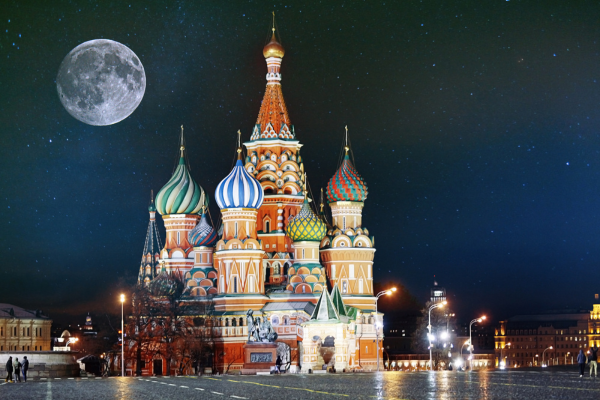
Read moreThe Cathedral of Christ the Saviour on the Spilled Blood, situated in St. Petersburg, Russia, is more than just a place of worship. It stands as a magnificent testament to Russian architecture and history. Built on the site where Emperor Alexander II was assassinated in 1881, the cathedral holds deep significance for the Russian people. Constructed between 1883 and 1907, this iconic cathedral showcases a blend of architectural styles, including Russian Revival and Byzantine influences. Its colorful facade, adorned with intricate mosaics depicting biblical scenes and saints, mesmerizes visitors with its beauty and craftsmanship. Despite facing challenges during the Soviet era, including threats of demolition, the cathedral was painstakingly restored to its original grandeur in the late 20th century. Today, it serves as a revered symbol of resilience and cultural heritage, attracting tourists and worshippers alike. Fun Fact: The Cathedral of Christ the Saviour on the Spilled Blood is ...
Read moreCanterbury Cathedral, located in Canterbury, Kent, UK, isn't just any church. It is one of the oldest and most famous Christian structures in England, founded in 597 AD. This majestic cathedral, a masterpiece of Gothic architecture, has been a place of pilgrimage for centuries, especially after the martyrdom of Archbishop Thomas Becket in 1170. While it may not be the largest cathedral, Canterbury Cathedral remains a pivotal site in the Anglican Church. Visitors from around the world come to admire its stunning stained glass windows, intricate stone carvings, and the revered shrine of Thomas Becket. The cathedral complex is expansive, including the cloisters, chapter house, and a tranquil garden. Additionally, the cathedral's Bell Harry Tower rises to an impressive 236 feet, offering panoramic views of the surrounding area. Fun Fact: Canterbury Cathedral is a UNESCO World Heritage Site, celebrated for its historical and architectural significance. Its rich history and spiritual impo ...
Read moreBran Castle, located in Romania, is not your average medieval fortress. Known worldwide as "Dracula's Castle," it has a history steeped in legend and intrigue. Built in the 14th century for an estimated 30,000 gold ducats (equivalent to millions of dollars today), this Transylvanian marvel boasts a unique design thanks to its strategic position and architectural ingenuity. The castle features an eclectic mix of Gothic and Renaissance elements, creating a structure that has fascinated visitors for centuries. Even though it's more legend than fact that Vlad the Impaler, the real-life inspiration for Dracula, ever lived here, Bran Castle remains Romania's most iconic landmark. Tourists flock to its mysterious halls, where they can explore winding staircases, secret passageways, and rooms filled with medieval artifacts, offering unparalleled glimpses into the region's history and folklore. The castle's stature is impressive – it stands 200 feet tall on a rocky hilltop, commanding views ...
Read moreBouzov Castle, located in the Czech Republic, is not your average medieval fortress. It stood proudly as a stronghold for over 700 years, a true icon in the region of Moravia. Built in the late 13th century and later renovated in the romantic style in the 19th century for an estimated 400,000 Austrian florins (equivalent to millions of dollars today), this fairy-tale castle was designed with intricate details by architect Georg von Hauberrisser. They crafted the castle with a blend of Gothic and Renaissance elements, creating a visually stunning structure that has captured the imagination for centuries. Even though it has never faced significant battles or sieges, Bouzov Castle remains the Czech Republic's undisputed medieval treasure. Tourists flock to its grand halls, where they can explore beautifully preserved rooms, intricate woodwork, and antique furnishings, offering unparalleled glimpses into the life of nobility. The castle's scale is impressive – it spans an area equivale ...
Read moreDrottningholm Palace, situated in Sweden, is a remarkable example of European royal architecture and a UNESCO World Heritage Site. Constructed in the late 17th century under the reign of Queen Hedvig Eleonora, the palace served as the primary residence of the Swedish royal family for centuries. Designed by architect Nicodemus Tessin the Elder, the palace reflects the grandeur and elegance of the Baroque style, with its symmetrical facades, ornate decorations, and meticulously landscaped gardens. The construction of Drottningholm Palace was a significant investment, with considerable funds allocated from the Swedish treasury to finance its creation. The palace underwent several renovations and expansions over the years, with subsequent rulers adding their own touches to its design and decor. Throughout its history, Drottningholm Palace has been a center of cultural and social life in Sweden, hosting royal ceremonies, theatrical performances, and diplomatic events. Its well-preserved i ...
Read moreBorobudur, located in Java, Indonesia, is not just an ordinary temple complex. It held the title of the world's largest Buddhist temple for centuries, a true marvel in the heart of Southeast Asia. Constructed in the 9th century for an estimated USD 30 million (in today’s value), this architectural wonder was designed by the famous Sailendra dynasty. They crafted Borobudur with nine stacked platforms, six square and three circular, topped by a central dome, representing the path to enlightenment. This unique design, inspired by the concept of mandala, provides both spiritual and structural significance, creating a striking silhouette. Even though it faced periods of abandonment and restoration, Borobudur remains Indonesia's cultural champion. Tourists flock to its terraces, where they can walk among over 500 Buddha statues and 2,600 relief panels, offering unparalleled insights into ancient Buddhist teachings and Indonesian history. The scale of Borobudur is astounding – it covers ...
Read moreDolmabahçe Palace, located in Istanbul, Turkey, is an architectural gem that symbolizes the opulence of the Ottoman Empire during the 19th century. Commissioned by Sultan Abdulmecid I in the mid-19th century, the palace was intended to showcase the modernization and Westernization efforts of the Ottoman state. Designed by Armenian architects Garabet Balyan and his son, the palace combines elements of Ottoman, Baroque, Rococo, and Neoclassical styles, resulting in a grandiose and eclectic masterpiece. The construction of Dolmabahçe Palace was a costly endeavor, with expenses estimated to have exceeded 35 tons of gold, making it one of the most expensive buildings of its time. Its lavish interiors feature crystal chandeliers, gilded ceilings, and intricate marble work, reflecting the luxurious taste of the Ottoman sultans. The palace served as the primary residence for the Ottoman sultans and their families until the end of the empire in 1922. It also played a significant role in the ...
Read moreThe Borgund Stave Church, in Norway, stands as one of the finest examples of medieval wooden architecture in the world. Believed to have been built in the late 12th century, this stave church represents the culmination of Norse craftsmanship and Christian influence during the Middle Ages. Constructed primarily of wood, with intricate wooden carvings adorning its exterior, the church exemplifies the distinctive stave construction technique prevalent in medieval Scandinavia. The church's architectural design is characterized by its distinctive stave framework, consisting of vertical wooden posts that support the weight of the structure. The steeply pitched roof, adorned with wooden shingles, and the ornate dragon heads adorning the gables add to its charm and authenticity. The enduring legacy of Borgund Stave Church lies not only in its architectural style, but also in its remarkable ability to withstand the relentless passage of time. Viking ingenuity, coupled with a profound respect ...
Read moreThe Blue Mosque, situated in Istanbul, Turkey, is an architectural marvel that epitomizes the splendor of Ottoman design. Commissioned by Sultan Ahmed I in the early 17th century, the mosque was built to rival the nearby Hagia Sophia and serve as a symbol of the Ottoman Empire's power and devotion to Islam. Its construction, completed in 1616, required extensive resources and labor, with artisans and craftsmen from across the empire contributing to its magnificence. The mosque's name, the ""Blue Mosque,"" derives from the stunning blue tiles adorning its interior walls, creating a mesmerizing effect when illuminated by sunlight. Its distinctive architectural features include six minarets, a central dome, and cascading domes and semi-domes, all meticulously adorned with intricate calligraphy and floral motifs. Despite its grandeur, the construction of the Blue Mosque faced financial challenges, with expenses exceeding those of other imperial mosques of the time. However, Sultan Ahmed ...
Read moreAngkor Wat, located in Cambodia, is the largest religious monument in the world and a prime example of classical Khmer architecture. Commissioned by King Suryavarman II in the early 12th century, this grand temple complex was originally dedicated to the Hindu god Vishnu. The construction of Angkor Wat was a monumental task, involving thousands of workers and considerable resources, reflecting the wealth and power of the Khmer Empire. The temple is renowned for its intricate design, featuring a central quincunx of towers symbolizing Mount Meru, the mythical home of the gods in Hindu cosmology. The entire structure is made of sandstone and laterite, with walls adorned with extensive bas-reliefs depicting scenes from Hindu epics such as the Ramayana and Mahabharata. These carvings are a testament to the artisans' skill and the cultural richness of the period. Angkor Wat covers an area of 162.6 hectares and is surrounded by a vast moat, symbolizing the ocean surrounding Mount Meru. The p ...
Read moreSeville's Alcazar is more than a palace; it's a captivating architectural tapestry woven from the artistic threads of different eras. Founded in the 10th century as a Muslim citadel, the Alcazar underwent a remarkable transformation over the centuries, reflecting the evolving cultural landscape of Seville. Envision a walled enclosure with colourful tilework and elaborate horseshoe arches, traces of its Moorish past. Enter the Patio de las Doncellas (Courtyard of the Maids), a peaceful haven with a central lake encircled by graceful arches and rich flora, by passing through the imposing Puerta de la Moneda (Gate of the Mint). The palace is filled with examples of the Mudejar style, which is a distinctive fusion of Christian and Islamic elements. These include the elaborate plasterwork and the geometric patterns that cover the walls. However, the story doesn't end there. In the 14th century, King Peter I of Castile embarked on a grand project, infusing the Alcazar with Gothic and Renai ...
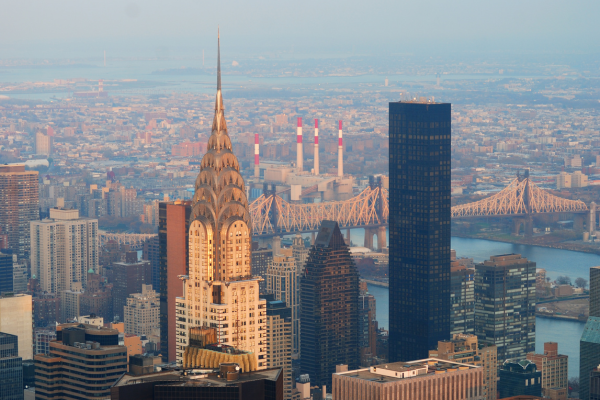
Read moreThe Chrysler Building, located in New York City, is an iconic Art Deco skyscraper completed in 1930. Once the tallest building in the world, it stands as a symbol of 1930s optimism and architectural innovation, showcasing the ambition and style of the era. Key Architectural Features Art Deco Design: The Chrysler Building is a prime example of Art Deco architecture, characterized by its sleek, geometric shapes and ornate details. The building's design emphasizes vertical lines, creating a sense of upward movement. Materials: The building is clad in shining stainless steel, with a spire and eagle gargoyles that highlight its metallic elegance. The use of glass, terracotta, and limestone adds texture and richness to its exterior. Tapering Shape: The building features a distinctive, tapering shape, narrowing as it rises. This was designed to emphasize its height and create a striking silhouette against the New York skyline. Interior Details: Inside, the Chrysler Building boasts lavish ...
Read moreBran Castle, located in the Carpathian Mountains of Romania, is a 14th-century fortress known for its dramatic architecture and connection to the Dracula legend. Originally built to defend the region, it has served as both a royal residence and military stronghold, becoming a symbol of Transylvanian folklore. Key Architectural Features Fortress Design: Bran Castle is built atop a rocky hill, featuring thick stone walls, a central tower, and strategic defensive elements like narrow windows and battlements. Its elevated position offers sweeping views of the surrounding landscape. Gothic Elements: The castle's Gothic style is evident in its pointed arches, spires, and dark, atmospheric interior. The multi-story structure and winding staircases create a maze-like, fortress-like feel. Materials and Construction: Constructed primarily from stone, the castle’s durability is reinforced by wooden elements inside, with beams and floors adding warmth and contrast to its austere exterior. I ...
Read moreThe Alhambra, located in Granada, Spain, is a stunning fortress-palace complex renowned for its breathtaking beauty and historical significance. Originally built in the 9th century as a modest fortress, it was later transformed into a grand royal palace by the Nasrid dynasty in the 13th and 14th centuries. The Alhambra is an exemplary masterpiece of Islamic architecture, blending intricate Islamic, Moorish, and Renaissance styles. Its stunning courtyards, such as the famous Court of the Lions, feature delicate arches, fountains, and lush gardens, while the walls are adorned with detailed arabesque patterns and intricate tilework. The complex also includes the majestic Alcazaba fortress, the serene Generalife gardens, and the grand Hall of the Abencerrajes. The Alhambra’s strategic position on a hilltop overlooking the city of Granada adds to its grandeur, offering panoramic views of the surrounding landscape. As a symbol of Islamic art and culture, the Alhambra attracts millions o ...
Read moreNeuschwanstein Castle, located in the Bavarian Alps of southern Germany, is one of the most picturesque and famous castles in the world. Commissioned by King Ludwig II of Bavaria in the mid-19th century, the castle was designed to resemble a fairytale fortress and draws inspiration from medieval knights' castles, though it was built in a romanticized style rather than as a fortification. Construction of the castle began in 1869, and although it was never completed, Neuschwanstein Castle stands as a testament to Ludwig's vision and eccentricity. The castle is perched on a dramatic hilltop, overlooking the village of Hohenschwangau and offering stunning views of the surrounding Alpine landscape, with forests, mountains, and the nearby Schwangau Lake. The architectural design of Neuschwanstein blends Romanesque, Gothic, and Byzantine elements, with its soaring towers, ornate facades, and intricate interiors. One of its most famous features is the throne room, which is lavishly decorate ...
Read moreThe Forbidden City, located in the heart of Beijing, China, is an ancient imperial palace complex that served as the political and ceremonial center of Chinese emperors for nearly 500 years, from the Ming Dynasty (1368–1644) to the end of the Qing Dynasty in 1912. Covering approximately 180 acres, the Forbidden City is the largest palace complex in the world and is a masterpiece of traditional Chinese architecture. Surrounded by a large defensive wall and a wide moat, it consists of nearly 1,000 buildings, including grand halls, courtyards, and living quarters, all meticulously arranged to reflect the hierarchical nature of imperial power. Designed according to principles of Feng Shui and Chinese cosmology, the Forbidden City symbolizes the emperor's role as the Son of Heaven, the intermediary between Earth and the divine. Its layout follows a strict north-south axis, with the most important structures situated along this line, reflecting the emperor’s supreme authority. The arc ...
Read moreHagia Sophia, located in Istanbul, Turkey, is an architectural masterpiece that blends Christian and Islamic influences, reflecting the city’s rich and diverse history. Originally constructed as a cathedral in 537 AD under the Byzantine Emperor Justinian I, it served as the primary church of the Eastern Orthodox Church for nearly 1,000 years. Its stunning design, with a vast central dome that appears to float above the building, was a revolutionary feat of engineering and a symbol of Byzantine grandeur. The interior is equally impressive, with mosaics depicting Christian iconography, marble pillars, and vibrant decorations that give it a sense of awe and reverence. In 1453, when the Ottoman Empire conquered Constantinople, Hagia Sophia was transformed into a mosque, and many of its Christian images were covered with plaster, while Islamic elements such as minarets and calligraphy were added. This transformation marked the start of a new chapter in Hagia Sophia’s history, which c ...
Read moreMachu Picchu, located in the Andes Mountains of Peru, is one of the most iconic and well-preserved archaeological sites in the world. Believed to have been built in the 15th century by the Inca emperor Pachacuti, this ancient city was abandoned by the Incas in the 16th century, likely due to the Spanish conquest. Rediscovered by American explorer Hiram Bingham in 1911, Machu Picchu has since become a symbol of Inca civilization and a major tourist destination. The site is perched at an altitude of approximately 2,430 meters (7,970 feet) above sea level, offering breathtaking panoramic views of the surrounding mountains and valleys. Machu Picchu is renowned for its sophisticated dry-stone construction, with precisely cut stones that fit together without mortar, showcasing the advanced engineering skills of the Incas. The city is divided into two main sections: the agricultural sector, with terraces used for farming, and the urban sector, which includes temples, palaces, and plazas. ...
Read moreMarina Bay Sands, located in the heart of Singapore, is an iconic resort complex known for its futuristic design and luxury offerings. Opened in 2010, it is comprised of three interconnected towers, each reaching 55 floors, topped by a remarkable rooftop structure known as the SkyPark. Designed by architect Moshe Safdie, the resort stands out for its distinctive shape, with the three towers appearing to be joined together by a massive platform that resembles a boat. The SkyPark itself is home to an infinity pool, offering stunning panoramic views of the city’s skyline, the bay, and beyond. At its base, Marina Bay Sands houses a wide range of facilities, including a world-class casino, a luxury shopping mall, theaters, fine dining restaurants, and a museum. The resort is a major cultural and entertainment hub, drawing millions of visitors annually. Its location along the waterfront and its design have made it one of Singapore’s most recognizable landmarks. In addition to its a ...
Read moreTaipei 101, located in the Xinyi District of Taipei, Taiwan, is an iconic symbol of the city and a marvel of modern engineering. Standing at 508 meters (1,667 feet) tall with 101 stories, it was the world’s tallest building from 2004 to 2010 until it was surpassed by the Burj Khalifa. Designed by architect C.Y. Lee and constructed with a blend of traditional Chinese influences and cutting-edge technology, the tower’s sleek, tapered design is inspired by the shape of a bamboo stalk, symbolizing growth and prosperity. The building’s structure incorporates advanced seismic technology, allowing it to withstand the frequent earthquakes that affect the region. Taipei 101 features a multi-use space, including office floors, high-end retail stores, and restaurants. Its observation deck, located on the 89th floor, offers stunning panoramic views of Taipei City and beyond, with clear views of the surrounding mountains. The building is also home to the world’s largest and heaviest tune ...
Read moreThe Willis Tower, formerly known as the Sears Tower, is an iconic skyscraper located in the heart of Chicago, Illinois. Completed in 1973, it was once the tallest building in the world, standing at 1,450 feet (442 meters). Designed by architect Bruce Graham and structural engineer Fazlur Rahman Khan, the tower was groundbreaking in its use of a bundled tube design, a structural innovation that allowed it to reach unprecedented heights while maintaining stability. The building is composed of nine interconnected square tubes, creating a sleek, geometric shape that has become a defining feature of the Chicago skyline. The Willis Tower houses office spaces, and its Skydeck, located on the 103rd floor, offers stunning panoramic views of Chicago and its surroundings. Visitors can step out onto ""The Ledge,"" a glass balcony that extends out from the building, providing a thrilling experience with views straight down to the streets below. In addition to its role as a commercial office buil ...
Read moreThe Shanghai Tower, located in the Lujiazui area of the city's Pudong district, is a stunning example of modern architecture and engineering. Standing at a height of 632 meters (2,073 feet), it is the tallest building in China and the second tallest in the world. Designed by architect Gensler, the tower was completed in 2015 and features a unique twisted design that spirals upwards, giving it a dynamic and futuristic appearance. The building’s sleek glass façade and tapering form are not only visually striking but also serve a practical purpose, reducing wind load and enhancing stability. The Shanghai Tower is a multi-use structure, with office spaces, retail areas, and luxury hotels, as well as an observation deck on the 118th floor that offers breathtaking views of the city skyline. The tower is a symbol of China's rapid modernization and economic growth, serving as a hub for commerce, culture, and tourism. It incorporates sustainable design elements, such as energy-efficient s ...
Read moreOne World Trade Center, also known as the Freedom Tower, is a striking symbol of resilience and renewal located in the Lower Manhattan district of New York City. Standing at a height of 1,776 feet (541 meters), it is the tallest building in the United States and the Western Hemisphere. Designed by architect David Childs, it was completed in 2013 on the site of the original World Trade Center, which was destroyed in the September 11, 2001 attacks. The tower’s sleek, modern design features a glass façade that tapers as it rises, giving it a slender, elegant appearance. The building houses office spaces, an observation deck offering panoramic views of the city, and the One World Observatory on the 100th to 102nd floors, attracting millions of visitors annually. The tower's height and distinctive design are meant to evoke the year 1776, reflecting a sense of strength, freedom, and American patriotism. Beneath the tower lies the National September 11 Memorial & Museum, honoring those ...
Read moreWestminster Abbey, located in the heart of London, England, is one of the most historically significant and architecturally stunning churches in the world. Founded in 960 AD and later rebuilt in the 13th century under the reign of King Henry III, the Abbey is a masterpiece of Gothic architecture. Its striking features include pointed arches, ribbed vaults, and flying buttresses, which contribute to its grand and awe-inspiring presence. As the site of royal coronations since 1066, it has been the setting for the crowning of monarchs, including the recent coronation of Queen Elizabeth II in 1953. Westminster Abbey is also home to the tombs of numerous British monarchs, including Henry V, Elizabeth I, and Mary, Queen of Scots, as well as other notable figures such as Isaac Newton, Charles Darwin, and Charles Dickens. The Abbey’s beautifully crafted interior, featuring stunning stained-glass windows and intricate stonework, attracts millions of visitors each year. As a UNESCO World He ...
Read moreThe Taj Mahal, one of the most magnificent architectural masterpieces in the world, is a white marble mausoleum located in Agra, India. It was commissioned in 1632 by the Mughal Emperor Shah Jahan in memory of his beloved wife, Mumtaz Mahal, who died during childbirth. Considered a symbol of eternal love, the Taj Mahal is an outstanding example of Mughal architecture, blending Persian, Islamic, and Indian influences. Constructed using white Makrana marble, the monument features intricate calligraphy, floral motifs, and delicate inlay work with precious and semi-precious stones. The central dome rises to 73 metres (240 feet) and is surrounded by four slender minarets, which are slightly tilted outward to protect the structure in case of collapse. The Taj Mahal complex includes lush gardens, a reflecting pool, and a red sandstone mosque, enhancing its serene beauty. Declared a UNESCO World Heritage Site in 1983, it attracts millions of visitors annually and is regarded as one of the N ...
Read moreThe Eiffel Tower, one of the most iconic landmarks in the world, is a wrought-iron structure located on the Champ de Mars in Paris, France. Designed by Gustave Eiffel and completed in 1889, it was originally built as the centrepiece of the Exposition Universelle (World’s Fair) to celebrate the 100th anniversary of the French Revolution. Standing at 330 metres (1,083 feet)**, it was the tallest man-made structure in the world until the Chrysler Building in New York surpassed it in 1930. Initially criticised by artists and intellectuals of the time, the tower has since become a global symbol of France, attracting millions of visitors annually. Made from over 18,000 iron pieces and weighing approximately 10,100 tonnes, the Eiffel Tower is a masterpiece of engineering and design, showcasing the advancements of the Industrial Age. It features three observation decks, offering stunning panoramic views of Paris. Originally intended to be dismantled after 20 years, the tower was saved due to ...
Read more