Advertisement






Private equity has played a significant role in shaping Indi...
In today’s real estate landscape, fitness is often treated...
In this episode of Prop Personalities, we sit down with Hars...
Luxury real estate is one of the most talked-about segments ...
Welcome to Prop Personalities by Prop News Time - a podcast ...
• Germany’s property prices rose 2.2% year-on-year in the first quarter, according to the Association of German Pfandbrief Banks (VDP).
• Residential property prices increased 2.3%, while office and retail property prices rose 1.9% and 1.5%, respectively.
• The growth reflects a continued recovery in Germany’s real estate market after a prolonged slowdown caused by high interest rates and weak investment activity.
• Industry experts remain cautious as the ongoing Iran conflict has pushed up energy prices, inflation and financing costs globally.
• VDP Chief Executive Jens Tolckmitt said the first-quarter data has not yet shown a major impact from the geopolitical tensions.
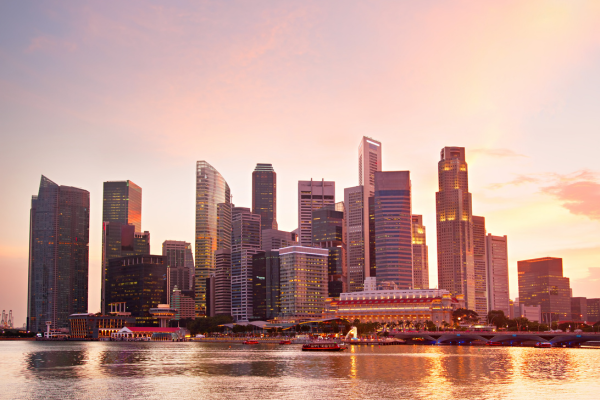
Germany’s real estate market showed further signs of stabilisation in the first quarter as property prices recorded steady annual growth across residential, office and retail segments. Advertisement






Data released by the Association of German Pfandbrief Banks (VDP) showed that overall property prices in Germany increased 2.2% year-on-year during the quarter. The figures indicate that the market is continuing to recover after witnessing a sharp slowdown over the past two years due to elevated interest rates, inflationary pressure and weak investment activity.
Residential properties remained the strongest-performing segment, with prices rising 2.3% compared to the same period last year. Office property prices increased 1.9%, while retail assets registered a comparatively slower rise of 1.5%.
The latest growth marks another step in the gradual turnaround of Europe’s largest property market, which had faced one of its biggest corrections in decades following rapid interest rate hikes by the European Central Bank. Higher financing costs had reduced transaction activity, delayed new developments and affected investor confidence across commercial and residential assets.
The market had also witnessed pressure on several large real estate companies in Germany during the downturn, as falling property valuations and rising debt costs impacted balance sheets and refinancing plans. Residential demand, however, continued to remain relatively stable because of limited housing supply in major German cities.
While the latest quarterly numbers indicate improving conditions, industry experts remain cautious about external risks. The ongoing conflict involving Iran has increased concerns around energy prices, inflation and borrowing costs globally, which could affect the pace of recovery in the real estate sector.
VDP Chief Executive Jens Tolckmitt said that it was still unclear how the war in Iran would impact the property market, adding that the first-quarter figures had not yet shown any major effects from the geopolitical situation.
The German property sector is expected to closely monitor inflation trends and future interest rate decisions in the coming months, as financing conditions continue to play a key role in market activity and investment sentiment.
Source Reuters

5th Jun, 2025

25th May, 2023

11th May, 2023

27th Apr, 2023
Advertisement









 Facebook
 Whatsapp
