Advertisement






Private equity has played a significant role in shaping Indi...
In today’s real estate landscape, fitness is often treated...
In this episode of Prop Personalities, we sit down with Hars...
Luxury real estate is one of the most talked-about segments ...
Welcome to Prop Personalities by Prop News Time - a podcast ...
Chandrashekhar Bawankule has directed state departments to make construction of service roads mandatory in cases where railway or infrastructure projects disrupt access routes to agricultural land. The decision was taken during a review meeting at Mantralaya earlier this week concerning issues faced by farmers in Dhule district affected by the Manmad–Indore railway project. The state government stated that executing agencies would be required to restore disrupted farm access as part of project implementation. The minister also instructed authorities to provide affected landowners a final opportunity to submit claims related to land acquisition within 15 days. The proposed measure is intended to address long-standing access concerns arising from transport and utility infrastructure projects crossing agricultural areas.
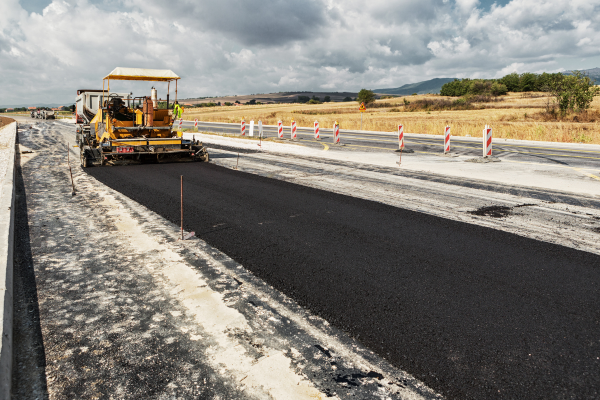
Chandrashekhar Bawankule has directed state authorities to make service roads compulsory in railway and infrastructure projects where existing access routes to agricultural land are disrupted, following complaints from farmers affected by ongoing infrastructure development works. Advertisement






The directive was issued earlier this week during a meeting chaired by the minister at Mantralaya to review issues related to the Manmad–Indore railway project and its impact on farmers in Dhule district.
According to an official statement, detailed discussions were held regarding difficulties arising from land acquisition processes and the effect of railway alignment works on agricultural access routes used by local farmers.
Bawankule stated that in cases where railway projects or other infrastructure developments cut off access roads leading to farms, the concerned executing department would be required to restore those routes as part of the project itself. He further directed that construction of service roads along railway alignments should be made mandatory to ensure uninterrupted access for farmers to their agricultural land.
The minister noted that similar problems had emerged in several locations where railway lines, pipelines and other infrastructure corridors had obstructed traditional pathways used for reaching farmland. He stated that restoration of such connectivity was the responsibility of the implementing department and added that the state government would issue an official circular formalising the directive shortly.
The meeting also addressed pending concerns related to land acquisition for the railway project. According to the minister, affected farmers have been provided a final opportunity to submit claims and supporting documents regarding compensation or related issues.
He directed that all representations should be submitted to the district collector within 15 days, after which no further claims would be entertained.
Bawankule additionally instructed district authorities to pay special attention to small landholders and farmers with wells situated on acquired land parcels. He stated that planning and coordination in such cases should be overseen by the resident district collector to minimise disruption to agricultural activity.
The Manmad–Indore railway project is part of broader railway infrastructure expansion efforts intended to improve regional connectivity between Maharashtra and Madhya Pradesh. However, land acquisition and access-related issues have emerged as significant concerns in several rural stretches affected by the alignment.
The latest directive reflects increasing focus by state authorities on integrating access and rehabilitation measures within infrastructure execution frameworks, particularly in agricultural regions where transport projects intersect with farmland and village-level road networks.
Source - PTI

5th Jun, 2025

25th May, 2023

11th May, 2023

27th Apr, 2023
Advertisement









 Facebook
 Whatsapp
