Advertisement






Private equity has played a significant role in shaping Indi...
In today’s real estate landscape, fitness is often treated...
In this episode of Prop Personalities, we sit down with Hars...
Luxury real estate is one of the most talked-about segments ...
Welcome to Prop Personalities by Prop News Time - a podcast ...
Bhutan and the World Bank have signed financing agreements worth USD 515 million for the 1,125 MW Dorjilung Hydropower Project, being developed through a public-private partnership between Tata Power and Druk Green Power Corporation. The project, located on the Kurichhu River in eastern Bhutan, is expected to generate over 4,500 GWh annually, with nearly 80% of output supplied to India. The development is aimed at strengthening regional energy security, enabling clean energy exports, and supporting Bhutan’s economic growth through increased power generation capacity.
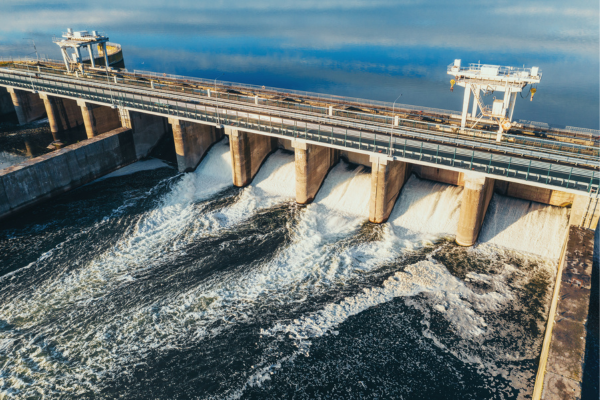
Bhutan and the World Bank have entered into financing agreements worth USD 515 million for the development of the 1,125 MW Dorjilung Hydropower Project, according to an announcement made in the past week. Advertisement






The project is being developed through a public-private partnership structure by Tata Power and Druk Green Power Corporation. The special purpose vehicle, Dorjilung Hydropower Project Ltd (DHPL), is structured with a 60% stake held by Druk Green Power Corporation and a 40% stake by Tata Power.
Located on the Kurichhu River in eastern Bhutan, the hydropower project is expected to become the country’s largest under a PPP model once operational. The plant is designed to generate over 4,500 GWh of electricity annually, contributing significantly to Bhutan’s overall energy capacity.
Approximately 80% of the electricity generated is expected to be supplied to India, particularly to meet peak demand during the summer months. The project is also expected to support Bhutan’s strategy of exporting surplus clean energy, thereby generating revenue and strengthening bilateral energy cooperation.
Officials indicated that the project would play a role in addressing Bhutan’s seasonal energy requirements, particularly during winter months when domestic generation typically declines. The availability of surplus power during other seasons is expected to facilitate cross-border energy trade.
The development is positioned within broader regional efforts to enhance energy security and promote clean energy adoption. The World Bank indicated that the project would support economic growth through access to reliable electricity while contributing to reduced carbon emissions.
The hydropower project is also expected to account for approximately one-third of Bhutan’s total energy generation capacity, reflecting its scale within the country’s power sector. In addition to energy generation, the project is expected to create employment opportunities during both construction and operational phases.
Industry stakeholders noted that hydropower projects of this scale require coordinated investment and long-term planning, particularly in regions with significant renewable energy potential. The involvement of multilateral institutions and private sector players reflects the complexity and capital requirements of such developments.
The project is also expected to contribute to diversification of energy sources within the South Asian region, while supporting infrastructure development and economic integration between neighbouring countries.
Once completed, the Dorjilung Hydropower Project is expected to strengthen energy linkages between Bhutan and India, while enhancing the role of renewable energy in the regional power mix.
Source - PTI

5th Jun, 2025

25th May, 2023

11th May, 2023

27th Apr, 2023
Advertisement









 Facebook
 Whatsapp
