Advertisement






What really powers the cloud? Behind every Google search, A...
A lot of what defines a home isn’t visible at handover. I...
Private equity has played a significant role in shaping Indi...
Luxury real estate is one of the most talked-about segments ...
Airports play a much bigger role than just enabling travel -...
The Maharashtra government has approved the diversion of 937 hectares of forest land in Gadchiroli for a proposed steel plant project, according to developments reported in the past week. The decision is linked to investments by Lloyds Metals and Energy Ltd, which has been expanding its mining and industrial footprint in the district. The land diversion forms part of a broader push to accelerate industrialisation in the region, supported by iron ore resources and planned infrastructure. The move has also drawn attention due to its environmental implications, given the scale of forest land involved.
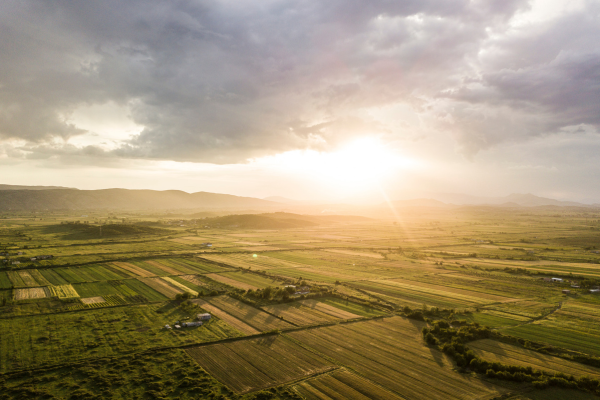
The Maharashtra government has approved the diversion of 937 hectares of forest land in Gadchiroli for the development of a steel plant, as part of ongoing efforts to promote industrial activity in the mineral-rich district, according to developments reported in the past week. Advertisement






The land diversion is associated with investments by Lloyds Metals and Energy Ltd, which has been expanding its operations in the region, particularly in iron ore mining. The company has been active in Gadchiroli for several years, leveraging the district’s resource base to scale up production and related industrial infrastructure.
Officials indicated that the diversion of forest land has been approved under applicable regulatory provisions, enabling the establishment of a steel manufacturing facility linked to existing mining operations. The project is expected to form part of an integrated industrial ecosystem, where raw material extraction and processing are located within the same geography.
Gadchiroli has emerged as a focus area for industrial development in eastern Maharashtra, driven by the presence of mineral resources and policy support aimed at attracting investment. The district has traditionally remained underdeveloped, with limited industrial activity, and the state government has been promoting large-scale projects to generate employment and improve economic outcomes.
The proposed steel plant is expected to create direct and indirect employment opportunities in the region, while also contributing to infrastructure development, including transport connectivity and ancillary industrial activity. Officials have indicated that such projects are part of a broader strategy to reduce regional disparities and promote balanced economic growth within the state.
However, the diversion of 937 hectares of forest land has raised concerns regarding environmental impact and ecological sustainability. Large-scale forest diversion for industrial use typically requires compliance with environmental clearance norms, compensatory afforestation measures, and adherence to forest conservation regulations.
Experts have noted that Gadchiroli’s forest cover plays an important role in maintaining biodiversity and supporting local livelihoods, particularly for tribal communities. The scale of land diversion in this case has therefore drawn attention from environmental groups and stakeholders monitoring forest conservation.
The development reflects the ongoing balance between industrial expansion and environmental considerations, particularly in resource-rich regions where infrastructure and manufacturing projects are being prioritised.
Authorities are expected to proceed with further clearances and implementation steps in accordance with regulatory requirements, including environmental approvals and project-specific conditions.
The decision marks a significant step in advancing industrial investment in Gadchiroli, with long-term implications for both economic development and environmental management in the region.

5th Jun, 2025

25th May, 2023

11th May, 2023

27th Apr, 2023
Advertisement









 Facebook
 Whatsapp
