Advertisement






What really powers the cloud? Behind every Google search, A...
A lot of what defines a home isn’t visible at handover. I...
Private equity has played a significant role in shaping Indi...
Luxury real estate is one of the most talked-about segments ...
Airports play a much bigger role than just enabling travel -...
Haryana has announced a wider technology-led pollution control plan for the National Capital Region (NCR), focusing on electric mobility, industrial emission monitoring and stricter checks on polluting vehicles. The state plans to introduce 925 electric buses across key cities including Gurugram and Faridabad while implementing a “No PUCC, No Fuel” policy from October 1, 2026. Authorities are also expanding air quality monitoring infrastructure, linking industrial units with real-time emission tracking systems and increasing enforcement against end-of-life vehicles. The move comes as NCR states continue facing pressure to strengthen long-term clean air measures beyond seasonal restrictions.
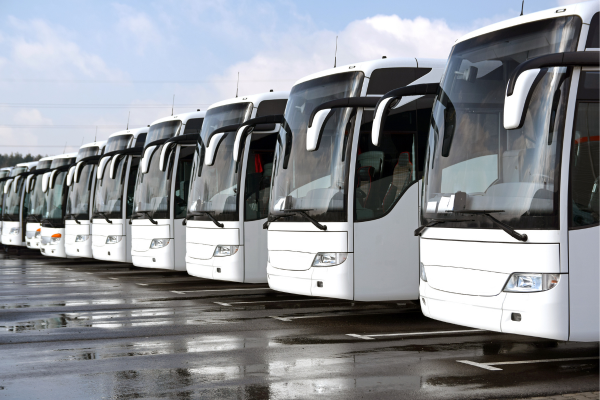
Haryana has unveiled a new technology-driven strategy to improve air quality across NCR districts, with the state government focusing on cleaner transport systems, industrial monitoring and stricter pollution enforcement measures. Advertisement






The action plan was reviewed during a high-level meeting chaired by Prime Minister’s adviser Tarun Kapoor, where officials discussed preparedness for pollution control across urban centres falling within the NCR region. Haryana Chief Secretary Anurag Rastogi said the government is strengthening monitoring infrastructure and increasing the use of digital systems to improve compliance and enforcement.
As part of the plan, Haryana aims to bridge gaps in Continuous Ambient Air Quality Monitoring Stations across NCR districts by September 2026. The state government is also working on wider integration of automated monitoring systems to track pollution levels more effectively in industrial and urban areas.
A major focus of the roadmap is public transport electrification. Haryana plans to deploy 925 electric buses across cities including Gurugram, Faridabad, Panipat, Karnal and Rohtak during 2026. Purchase orders for 575 electric buses have already been issued, while procurement for the remaining buses is in progress.
The state has been gradually expanding electric mobility initiatives over the past few years as part of broader NCR clean transport goals. Several NCR cities have witnessed rising vehicle density and worsening air quality, particularly during winter months when vehicular emissions and dust pollution increase sharply.
Haryana has also notified its Vehicle Aggregator Policy for cab operators, delivery platforms and e-commerce companies operating in NCR districts. Under the revised rules, all new vehicles added by aggregators in NCR areas will be required to run on cleaner fuels such as CNG or electricity. Existing fleets will only be allowed to induct CNG and electric three-wheelers going forward. The government has additionally launched a dedicated online portal for aggregator onboarding and compliance.
In another significant measure, the state will implement the “No PUCC, No Fuel” policy across all 2,780 fuel stations in Haryana’s NCR districts from October 1, 2026. Under the system, vehicles without valid Pollution Under Control Certificates will not be supplied fuel. Automatic Number Plate Recognition systems are being installed at fuel stations to support enforcement and identify non-compliant vehicles.
Authorities have also intensified action against end-of-life vehicles, with the administration targeting the daily impounding of nearly 100 such vehicles. The move follows continued concerns over ageing diesel and petrol vehicles contributing to NCR pollution levels.
Industrial pollution monitoring is also being expanded. According to the state government, 1,286 out of 1,349 identified polluting industrial units have already been connected to the Central Pollution Control Board’s real-time emission monitoring network. Officials are further focusing on mechanised waste management, road redevelopment and dust-control projects to reduce particulate pollution in urban areas.
The latest measures build on earlier initiatives introduced by Haryana in recent years, including dust mitigation projects, cleaner industrial fuel adoption and smart traffic management systems. Earlier this year, the World Bank also approved support for a multi-sector clean air programme in Haryana and the NCR region covering transport, industry and urban infrastructure improvements.

5th Jun, 2025

25th May, 2023

11th May, 2023

27th Apr, 2023
Advertisement









 Facebook
 Whatsapp
