Advertisement






What really powers the cloud? Behind every Google search, A...
A lot of what defines a home isn’t visible at handover. I...
Private equity has played a significant role in shaping Indi...
Luxury real estate is one of the most talked-about segments ...
Airports play a much bigger role than just enabling travel -...
The Navi Mumbai Municipal Corporation has identified 504 dangerous buildings across its jurisdiction for 2026-27 following a department-wise structural survey conducted under Section 264 of the Maharashtra Municipal Corporation Act. Of these, 52 buildings have been classified under the highly dangerous C-1 category requiring immediate evacuation and demolition. The civic body has warned residents against continuing residential or commercial use of unsafe structures, especially during the monsoon season, citing risks to life and property. The complete list has been made available on the corporation’s official website along with category-wise details and occupancy status.
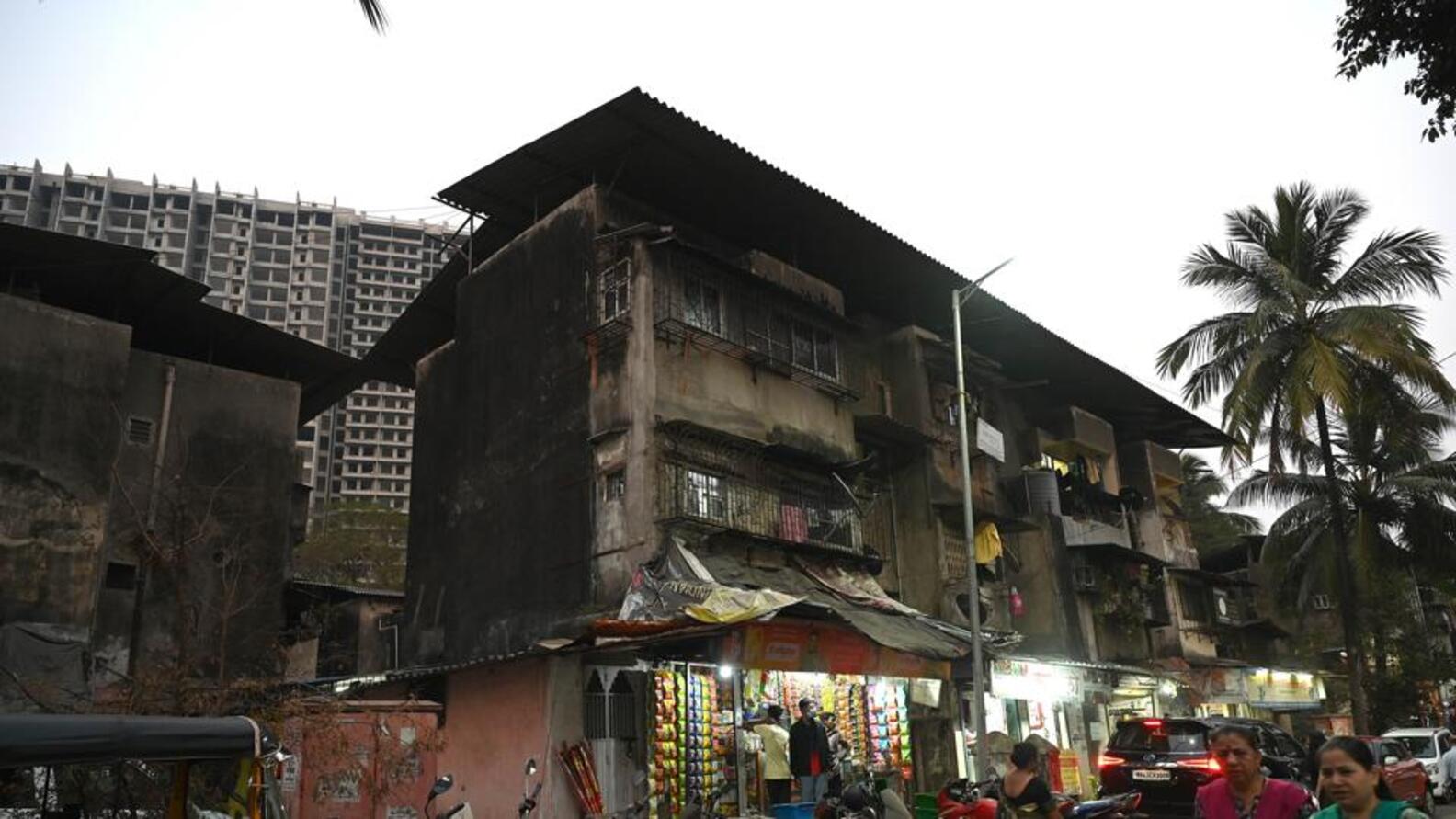
The Navi Mumbai Municipal Corporation has released a list of 504 buildings declared dangerous across the municipal area after carrying out a department-wise structural survey for the 2026-27 period. The action has been taken under Section 264 of the Maharashtra Municipal Corporation Act amid concerns over structural safety ahead of the monsoon season. Advertisement






According to the civic body, 52 buildings have been categorised under the C-1 classification, which refers to structures that are highly dangerous, uninhabitable and require immediate evacuation and demolition. Another 102 buildings have been placed under the C-2A category, where occupants are required to vacate the premises to allow structural repairs. A total of 297 buildings fall under the C-2B category, which requires structural repairs without evacuation, while 53 buildings have been classified under the C-3 category for minor repair work.
The corporation has uploaded the complete list on its official website under the Encroachment Department section within the General Information category. To help residents identify the most critical structures easily, names of the C-1 buildings have been highlighted in bold.
Officials stated through the public notice that owners and occupants residing or operating commercial establishments in dangerous buildings must immediately stop using such structures if they fall under evacuation categories. The notice also directed property owners to begin demolition or necessary structural repair work without delay in line with the Maharashtra government’s Urban Development Department circular issued in November 2015.
The civic body further stated that electricity and water connections to buildings categorised under C-1 could also face disconnection if required. Residents were informed that continuing to occupy such buildings despite warnings could lead to serious risks during heavy rainfall and adverse weather conditions.
The notice clarified that details regarding whether buildings are currently occupied have also been mentioned in the published list. Occupants of structures requiring evacuation have been asked to shift immediately, while owners of repairable buildings have been instructed to undertake necessary structural strengthening measures at the earliest.
The municipal corporation stated that any loss of life or property caused due to the collapse of dangerous structures after issuance of the notice would remain the responsibility of the owners and occupants concerned. The civic administration added that it would not be held liable if residents continue using unsafe buildings despite repeated warnings.
The issue of dangerous and dilapidated buildings regularly comes into focus across the Mumbai Metropolitan Region before the monsoon every year, with civic authorities carrying out structural audits and evacuation drives to reduce risks of building collapses during periods of intense rainfall.

5th Jun, 2025

25th May, 2023

11th May, 2023

27th Apr, 2023
Advertisement









 Facebook
 Whatsapp
