Advertisement










Private equity has played a significant role in shaping Indi...
In today’s real estate landscape, fitness is often treated...
In this episode of Prop Personalities, we sit down with Hars...
Luxury real estate is one of the most talked-about segments ...
Welcome to Prop Personalities by Prop News Time - a podcast ...
Nashik Municipal Corporation is set to intensify enforcement of rainwater harvesting norms across the city, with a renewed inspection drive targeting residential and commercial properties. The initiative comes ahead of the monsoon season and aims to ensure functional compliance in buildings where such systems are mandatory. Civic authorities are expected to penalise property owners with non-operational installations while also exploring incentives for compliant developments. The move reflects a broader push towards sustainable urban water management, amid concerns over groundwater depletion and recurring reliance on tanker supply despite adequate rainfall in previous seasons. The exercise is also likely to influence future regulatory enforcement and compliance standards across Maharashtra’s urban centres.
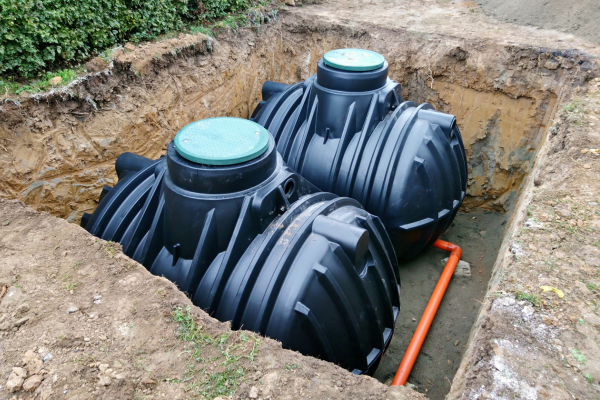
In a renewed push towards water conservation and regulatory enforcement, the Nashik Municipal Corporation has initiated plans to conduct a city-wide inspection of rainwater harvesting systems across residential and commercial properties. The move, discussed earlier this week during a civic review meeting, is aimed at ensuring that mandated installations are not only present but also fully operational ahead of the monsoon season. Advertisement


Under existing regulations, rainwater harvesting systems are compulsory for buildings constructed on plots exceeding 500 square metres. However, civic authorities have identified that several installations across the city remain either non-functional or inadequately maintained, undermining their intended purpose of groundwater recharge and sustainable water usage.
Officials indicated that the upcoming inspection drive would involve ward-level teams assessing compliance, with a clear focus on identifying defaulters. Properties found to have inactive or poorly maintained systems are likely to face financial penalties, reinforcing accountability among owners and developers. At the same time, the civic body is evaluating measures to incentivise compliance, including potential property tax benefits for buildings that maintain effective rainwater harvesting infrastructure.
The renewed enforcement effort is rooted in growing concerns over water management in the city. Despite experiencing adequate rainfall in previous seasons, Nashik has continued to rely on tanker supply in several areas, highlighting gaps in groundwater recharge mechanisms. Civic officials and environmental experts have emphasised that functional rainwater harvesting systems are critical to addressing this imbalance and ensuring long-term water security.
The initiative also signals a broader administrative shift towards proactive environmental governance. Authorities are considering mechanisms to involve citizens in reporting non-compliance, thereby strengthening monitoring efforts and improving overall adherence to regulations. Additionally, government buildings and public infrastructure are expected to undergo parallel checks to ensure uniform compliance across both private and public assets.
This inspection drive builds on earlier enforcement campaigns but reflects a more structured and outcome-driven approach, particularly in the context of increasing urbanisation and pressure on water resources. With the monsoon approaching, the civic body’s focus remains on ensuring that existing infrastructure is optimised rather than merely installed.
As cities across India grapple with water stress and climate variability, Nashik’s approach underscores the growing importance of integrating regulatory enforcement with sustainable urban planning practices.

5th Jun, 2025

25th May, 2023

11th May, 2023

27th Apr, 2023
Advertisement





 Facebook
 Whatsapp
