Advertisement










Private equity has played a significant role in shaping Indi...
In today’s real estate landscape, fitness is often treated...
In this episode of Prop Personalities, we sit down with Hars...
Luxury real estate is one of the most talked-about segments ...
Welcome to Prop Personalities by Prop News Time - a podcast ...
The United Arab Emirates real estate sector is facing fresh uncertainty after Iranian missile and drone strikes in the region raised concerns about geopolitical stability, a key factor underpinning property investment in Dubai and Abu Dhabi. The attacks have unsettled investor sentiment in a market that has witnessed strong growth since the pandemic, fuelled largely by foreign capital, wealthy migrants and international buyers. Market participants say the escalation has already affected capital-raising activity and may increase financing costs for developers. Analysts note that the sector's reliance on expatriate demand and offshore investors makes it particularly sensitive to geopolitical shocks. At the same time, the region is entering a phase of rising supply, with a significant number of new housing units expected to enter the market in the coming years.
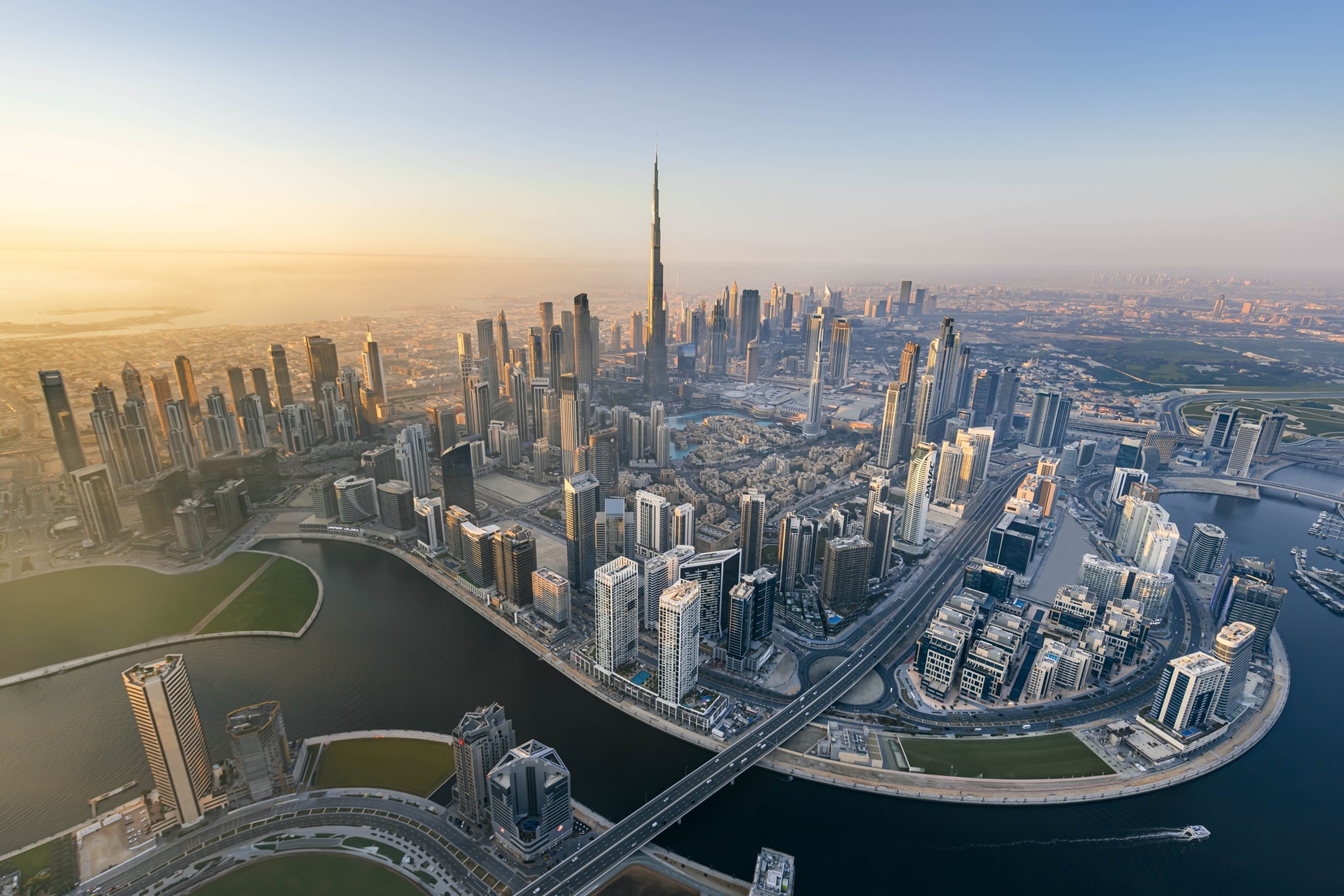
The United Arab Emirates property sector is confronting heightened uncertainty after Iranian missile strikes in the region disrupted the perception of the Gulf as a stable investment destination, raising concerns among investors and developers in Dubai and Abu Dhabi. The attacks come at a time when the country's real estate market has been experiencing a prolonged expansion driven by foreign capital and a surge in expatriate demand. Advertisement


Market participants indicated that the escalation has already begun to affect financing and investment activity in the sector. A senior real estate banker told Reuters that his firm had recently shelved plans for a capital-raising transaction linked to UAE property, citing rising geopolitical risks and weakening investor appetite for new investments in the region. The uncertainty has also increased the perceived risk premium associated with real estate assets in the country.
Dubai and Abu Dhabi have seen significant real estate expansion over the past two decades, supported by large-scale infrastructure and waterfront developments. Projects such as Palm Jumeirah and the ongoing Palm Jebel Ali development illustrate the scale of construction that has reshaped the country's coastline and urban skyline. The sector's growth accelerated after the COVID-19 pandemic as economic reforms, liberalised visa policies and a tax-free environment attracted wealthy migrants, investors and family offices.
Demand for property increased sharply during this period. Residential prices in Dubai rose approximately 60% between 2022 and the first quarter of 2025, according to Fitch Ratings, while consultancy data indicated continued price growth through late last year. Abu Dhabi also recorded strong gains, with residential prices rising substantially during the same period as demand strengthened.
Despite the recent rally, analysts had already raised concerns about the pace of new supply entering the market. Financial institutions have warned that demographic growth may struggle to absorb the large pipeline of housing units expected to be delivered over the next few years. Estimates suggest that between 300,000 and 400,000 additional homes could enter Dubai's market by 2028.
The latest geopolitical developments have added another layer of uncertainty to these structural challenges. Real estate investment typically depends on long-term stability and investor confidence, both of which can weaken during periods of regional conflict. Analysts note that the trajectory of the UAE's property market will depend largely on how quickly geopolitical tensions ease and whether international investors maintain their interest in the country's real estate sector.

5th Jun, 2025

25th May, 2023

11th May, 2023

27th Apr, 2023
Advertisement





 Facebook
 Whatsapp
