Advertisement










Private equity has played a significant role in shaping Indi...
In today’s real estate landscape, fitness is often treated...
In this episode of Prop Personalities, we sit down with Hars...
Luxury real estate is one of the most talked-about segments ...
Welcome to Prop Personalities by Prop News Time - a podcast ...
Air travel has been impacted as several airlines cancel or reroute flights due to rising tensions in the Middle East. Temporary airspace restrictions and operational safety concerns have led carriers to suspend services on key routes, especially those connected to Gulf destinations. Both regional and international airlines have adjusted schedules, reduced frequencies, or introduced alternate flight paths. These changes have resulted in delays, cancellations, and passenger inconvenience. Airlines continue to monitor the situation closely and are revising operations in line with evolving security conditions and aviation advisories.
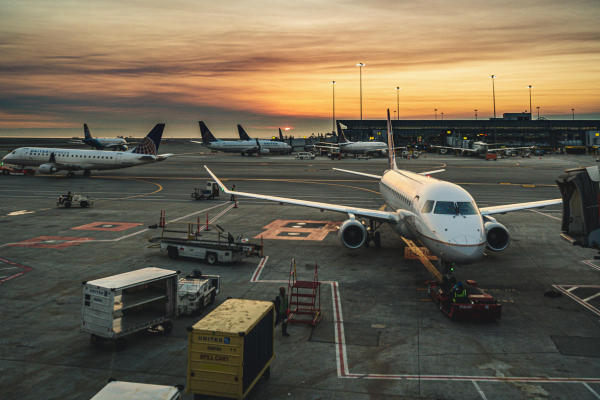
Air travel operations have been disrupted as multiple airlines have cancelled and rerouted flights following rising tensions in the Middle East. The situation has led to temporary restrictions on airspace in several countries, affecting normal flight movement and connectivity across major international routes. Advertisement


Airlines operating across different regions have adjusted their schedules by suspending services on selected routes, particularly those linked to Gulf destinations. In many cases, carriers have redirected flights through alternative paths to maintain operations while avoiding restricted or sensitive airspace. These adjustments have impacted both long-haul and short-haul routes, leading to longer travel times and operational challenges.
Several international airlines have either reduced flight frequencies or paused services to specific destinations depending on the evolving conditions. The disruptions have also affected major transit hubs in the region, where intermittent airspace limitations have required airlines to make quick operational decisions. As a result, airlines have been coordinating with aviation authorities to comply with safety guidelines while managing their networks.
The changes have not been limited to regional operators. Global airlines connecting Asia, Europe, and the Middle East have also experienced schedule disruptions. Some carriers have issued passenger advisories recommending travelers to check flight updates regularly, as cancellations and delays continue to occur with short notice. This has added uncertainty for passengers planning international travel, especially on routes passing through affected regions.
Operational adjustments have also influenced airline planning, as longer routes due to detours have increased fuel usage and turnaround times. Despite these constraints, airlines are continuing limited operations where feasible, while prioritizing safety and regulatory compliance. The situation reflects how external geopolitical developments can directly affect aviation schedules, especially in regions that serve as key global transit corridors.
Source Reuters

5th Jun, 2025

25th May, 2023

11th May, 2023

27th Apr, 2023
Advertisement





 Facebook
 Whatsapp
