Advertisement






What really powers the cloud? Behind every Google search, A...
A lot of what defines a home isn’t visible at handover. I...
Private equity has played a significant role in shaping Indi...
Luxury real estate is one of the most talked-about segments ...
Airports play a much bigger role than just enabling travel -...
The civil aviation ministry has directed airlines to ensure that at least 60 per cent of seats on domestic flights are available without additional charges, aiming to improve fairness and accessibility for passengers. The Directorate General of Civil Aviation (DGCA) has been instructed to implement these norms, along with requirements for airlines to seat passengers travelling under the same PNR together. The government has also asked airlines to introduce transparent policies for pets, sports equipment, and musical instruments, while strengthening communication of passenger rights across platforms and in regional languages.
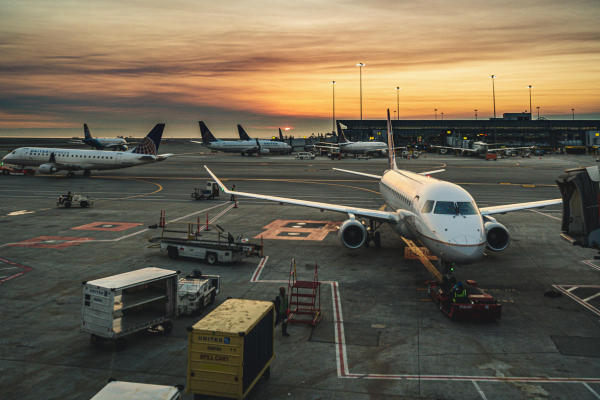
The government has issued directions to airlines in India to ensure that a significant portion of seats on domestic flights are available without additional charges. Earlier this week, the civil aviation ministry, along with the Directorate General of Civil Aviation, instructed airlines to make at least 60 per cent of seats free of cost, with the objective of improving fair access for passengers. Advertisement






As part of the same set of measures, airlines have been asked to seat passengers travelling under the same PNR together, preferably in adjacent seats, to enhance convenience for families and groups. These directions apply to domestic flights across the country, as clarified by officials associated with the ministry.
The ministry, represented by the Ministry of Civil Aviation, also stated that the handling of sports equipment and musical instruments should be carried out in a transparent and passenger-friendly manner, while still adhering to safety and operational rules. Airlines have further been directed to establish clear and transparent policies regarding the carriage of pets.
At present, industry practices indicate that only about 20 per cent of seats are available for free booking, while the remaining seats are offered at a charge. Charges for seat selection typically range from INR 200 to INR 2,100, depending on factors such as seat location and extra legroom. The new directions aim to address such additional costs and bring more clarity to fare structures.
The ministry has also emphasized strict adherence to passenger rights, particularly in situations involving delays, cancellations, and denied boarding. Airlines are expected to display passenger rights prominently across websites, mobile applications, booking platforms, and airport counters. Communication of these rights is also expected to be made available in regional languages to improve awareness and accessibility.
India's aviation sector continues to expand, supported in part by initiatives like the UDAN scheme, which focuses on regional air connectivity. The ministry noted that the country has become the third-largest domestic aviation market globally, with daily passenger traffic at airports exceeding five lakh. These developments reflect the steady growth in air travel demand and infrastructure usage across the country.
In a statement shared earlier this week on social media platform X, K Rammohan Naidu indicated that new directions have been issued to strengthen passenger facilitation. He mentioned that measures include free allocation of 60 per cent seats, seating arrangements to keep families together, and clearer norms for transporting sports equipment, musical instruments, and pets. He also highlighted the need for stronger enforcement of passenger rights and improved visibility of entitlements across airline services.
Specific details regarding the effective date for implementing these directives have not been announced yet.
Source PTI
FAQ
Q1: What has the government directed airlines to do regarding seat allocation?
A1: The civil aviation ministry has directed airlines to ensure that at least 60% of seats on domestic flights are available without additional charges. This move is aimed at improving fairness, affordability, and transparency in seat selection for passengers.
Q2: Which authority will implement these new seat allocation norms?
A2: The Directorate General of Civil Aviation (DGCA) has been instructed to implement and oversee these norms. The DGCA will ensure airlines comply with the guidelines issued by the civil aviation ministry across domestic operations.
Q3: Are airlines required to seat passengers under the same PNR together?
A3: Yes, airlines have been directed to seat passengers travelling under the same PNR together, preferably in adjacent seats. This is intended to enhance convenience for families and groups traveling together.
Q4: What changes have been proposed for transporting special items like pets and instruments?
A4: Airlines have been asked to introduce clear and transparent policies for carrying pets, sports equipment, and musical instruments. These policies should balance passenger convenience with safety and operational requirements while maintaining consistency across airlines.
Q5: How will passenger rights be communicated under the new directions?
A5: Airlines are required to clearly display passenger rights across websites, mobile apps, booking platforms, and airport counters. The government has also emphasized that this information should be made available in regional languages to improve awareness and accessibility.
Q6: What is the current industry practice for seat selection charges?
A6: Currently, only about 20% of seats are available for free selection, while the rest are chargeable. Seat selection fees typically range from INR 200 to INR 2,100, depending on factors such as seat location and extra legroom. The new directions aim to reduce such additional costs.
Q7: Why has the government introduced these measures now?
A7: The measures are intended to improve passenger experience, ensure greater transparency in fare structures, and strengthen passenger rights. They come at a time when India's aviation sector is growing rapidly, with increasing daily passenger traffic and rising demand for air travel services.

5th Jun, 2025

25th May, 2023

11th May, 2023

27th Apr, 2023
Advertisement









 Facebook
 Whatsapp
