Advertisement










In this episode of Prop Personalities, we sit down with Hars...
Luxury real estate is one of the most talked-about segments ...
Welcome to Prop Personalities by Prop News Time - a podcast ...
Airports play a much bigger role than just enabling travel -...
Why does the same hotel brand operate multiple properties in...
The Delhi government is moving ahead with plans to build an inter state bus terminus (ISBT) on about 20 acres of land reclaimed from the Bhalswa landfill. The project aims to improve bus connectivity from northern states and enhance passenger facilities in the city's north. The landfill is one of three major sites targeted for removal by next year. Alongside this, Delhi will induct 200 new electric buses this month, expanding its fleet to a projected 7,500 by year end. Upgrades to depots, automated testing stations, and EV charging infrastructure are also part of the city's wider transport modernization plans.
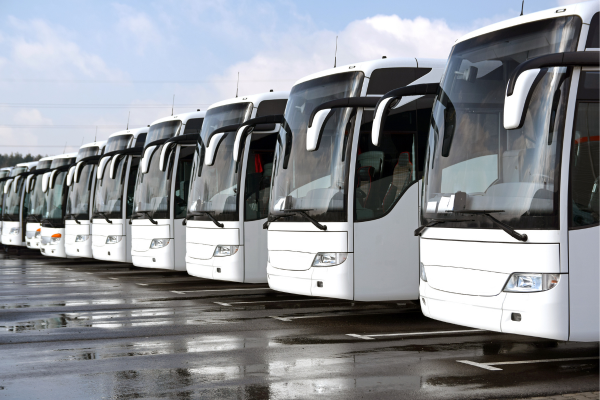
The Delhi government is planning to construct a new inter state bus terminus (ISBT) on approximately 20 acres of land reclaimed from the Bhalswa landfill, one of the city's largest waste dumping sites. The landfill has been undergoing clearing and reclamation work to make the area suitable for development. Officials have said the terminal will significantly improve bus connectivity from northern states and enhance passenger facilities in the northern part of the city, reducing pressure on existing terminals. Advertisement


Transport Minister Pankaj Singh highlighted that the ISBT is part of a wider push to modernize Delhi's public transport system. During a recent department review meeting, he announced the addition of 200 new electric buses to the existing fleet this month. Delhi currently operates over 4,000 e-buses, and the fleet is expected to reach around 7,500 by the end of the year, marking an important step towards sustainable public transportation.
The government has already installed EV charging infrastructure at 44 bus depots across Delhi, with 36 additional depots being equipped under the PM e-Drive Phase I and II initiatives. These efforts aim to support the expansion of the electric bus fleet in the coming months.
Officials also confirmed plans to develop a new DTC depot along the Urban Extension Road-II corridor to meet rising transport demand due to urban expansion. The existing bus depot in Burari will be upgraded to improve operational efficiency and accommodate the growing electric fleet. Recently launched automated testing stations at Nand Nagri and Tehkhand are expected to become operational soon, further strengthening Delhi's transport infrastructure.
The Bhalswa landfill is one of three major sites, along with Ghazipur and Okhla, that the Delhi government has targeted for removal by next year. This move reflects a broader effort to reclaim and repurpose degraded land for public infrastructure while addressing the city's waste management challenges. Using reclaimed landfill land for a bus terminal demonstrates a strategic approach to combining urban development with environmental remediation.
Source PTI
FAQ
1. What is the Delhi government planning at Bhalswa landfill?
The Delhi government plans to construct a new inter-state bus terminus (ISBT) on approximately 20 acres of reclaimed land at the Bhalswa landfill. This initiative aims to improve bus connectivity with northern states and enhance passenger facilities in the northern part of Delhi, while reducing pressure on existing bus terminals.
2. How is the Bhalswa landfill being prepared for development?
Bhalswa, one of Delhi's largest waste dumping sites, is undergoing land reclamation and clearing work. The project transforms degraded landfill land into usable space for public infrastructure, demonstrating an integrated approach to urban development and environmental remediation.
3. What steps are being taken to modernize Delhi's bus fleet?
The city is adding 200 new electric buses this month, expanding the fleet to a projected 7,500 e-buses by year-end. Delhi currently operates over 4,000 electric buses. Additional measures include installing EV charging infrastructure at 44 depots, with 36 more depots being equipped under PM e-Drive Phase I and II initiatives.
4. Are there upgrades to bus depots and supporting infrastructure?
Yes. A new DTC depot will be developed along the Urban Extension Road-II corridor to meet rising transport demand. The existing Burari depot will be upgraded for operational efficiency and to accommodate the expanding electric fleet. Additionally, automated testing stations at Nand Nagri and Tehkhand are expected to become operational soon.
5. What is the broader significance of the Bhalswa ISBT project?
The project integrates urban development, public transport enhancement, and environmental sustainability. By reclaiming landfill land for infrastructure, Delhi addresses waste management challenges, provides modern transport facilities, and strengthens inter-state connectivity, particularly for commuters traveling to and from northern states.
6. Are other landfill sites being targeted for reclamation?
Yes. Besides Bhalswa, the Delhi government has targeted Ghazipur and Okhla landfills for removal by next year. The reclaimed land from these sites is planned for infrastructure and public utility projects, reflecting a city-wide approach to sustainable urban development.

5th Jun, 2025

25th May, 2023

11th May, 2023

27th Apr, 2023
Advertisement





 Facebook
 Whatsapp
