Advertisement










Private equity has played a significant role in shaping Indi...
In today’s real estate landscape, fitness is often treated...
In this episode of Prop Personalities, we sit down with Hars...
Luxury real estate is one of the most talked-about segments ...
Welcome to Prop Personalities by Prop News Time - a podcast ...
Kerala has approved a Regional Rapid Transit System connecting Thiruvananthapuram and Kasaragod over 583 km, aiming to enhance mobility and regional development. The project will mostly use elevated tracks to reduce land acquisition and environmental disruption and will integrate with existing and proposed metro networks. Estimated at INR 1.92 lakh crore, the project will be implemented in four phases over around 12 years, with funding shared between the state, central government, and international loans. Experts note speed and long-distance travel limitations, but the plan is considered practical and socially feasible.
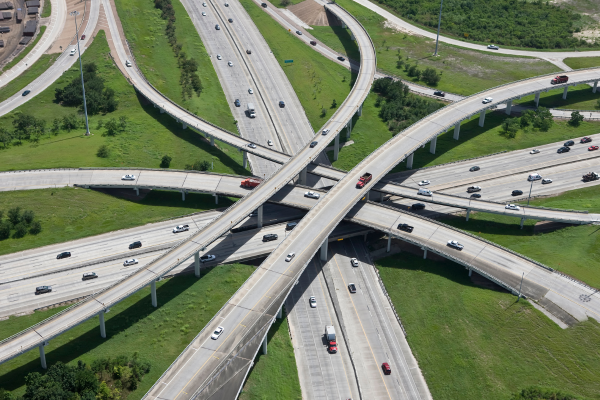
Kerala has approved a comprehensive Regional Rapid Transit System (RRTS) project to connect Thiruvananthapuram in the south to Kasaragod in the north. The state cabinet has instructed the Transport Department to coordinate with the Centre for necessary approvals and undertake consultations with stakeholders. This decision follows previous high-speed rail proposals, including the SilverLine project, which were paused due to technical challenges, public opposition, and environmental concerns. Officials believe the RRTS offers a practical solution suited to Kerala's geographical and social context. Advertisement


The RRTS corridor will extend about 583 km, primarily on elevated viaducts to limit land acquisition and minimise disruptions to rivers, backwaters, and densely populated areas. The design will allow integration with existing metro networks, including Kochi Metro, and proposed systems in Thiruvananthapuram and Kozhikode, supporting efficient last-mile connectivity. Elevated structures are expected to reduce construction-related environmental impacts while maintaining operational efficiency.
Funding is proposed under a model similar to Delhi's RRTS corridors, with 20 per cent of the cost shared by the state and central governments each, and the remaining 60 per cent raised through long-term international loans. The estimated project cost stands at INR 1.92 lakh crore, though the final figure will be determined after completing the detailed project report.
Kerala plans to implement the project in four phases: the first section between Thiruvananthapuram and Thrissur, followed by sections extending to Kozhikode, Kannur, and finally Kasaragod. Once clearances and a detailed project report are obtained, authorities aim to complete the corridor within approximately 12 years. This phased approach will allow gradual mobilisation of resources and minimise disruption to existing transport networks.
While transport experts have welcomed the decision, some have questioned whether an RRTS designed primarily for urban and suburban travel can fully meet long-distance passenger demands across the state. They note that operating speeds differ from traditional high-speed rail, which could affect overall efficiency for end-to-end travel. Nevertheless, the government considers RRTS a feasible and socially acceptable alternative that balances cost, land constraints, and regional development goals.
Preliminary allocations have been made in the state budget to initiate early work on the corridor, signalling continued emphasis on strengthening regional transport infrastructure. Authorities are also reviewing alignment options, technology choices, and signalling systems to ensure a modern, safe, and reliable transit solution.

5th Jun, 2025

25th May, 2023

11th May, 2023

27th Apr, 2023
Advertisement





 Facebook
 Whatsapp
