Advertisement










Private equity has played a significant role in shaping Indi...
In today’s real estate landscape, fitness is often treated...
In this episode of Prop Personalities, we sit down with Hars...
Luxury real estate is one of the most talked-about segments ...
Welcome to Prop Personalities by Prop News Time - a podcast ...
The Delhi government is planning to construct a new bridge over the Yamuna River to address rising traffic congestion and improve connectivity between east and west Delhi, officials said. The proposed structure will link key thoroughfares and is expected to reduce travel times for commuters, decongest existing crossings and support economic activity in growing urban corridors. A preliminary alignment study has been completed, and authorities are moving towards detailed project preparation, including environmental and feasibility assessments. The bridge is intended to integrate with the city's broader urban transport network, complementing metro, road and ring road connectivity. Funding and implementation timelines are being finalised, with the government indicating that the project will be pursued in consultation with central agencies and relevant municipal bodies.
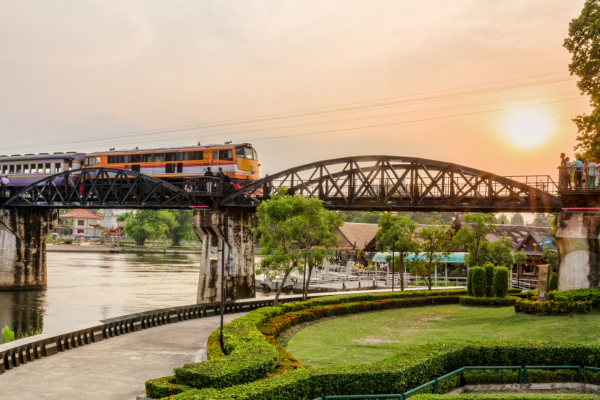
The Delhi government has announced plans to develop a new bridge over the Yamuna River in a bid to tackle chronic traffic congestion and improve multimodal connectivity between the eastern and western parts of the national capital region. The proposal is part of a package of infrastructure measures aimed at enhancing urban mobility, reducing travel times and supporting sustainable transport solutions in the city. Advertisement


According to officials, a preliminary alignment study for the bridge has already been completed, identifying potential connection points that would link major arterial roads on both sides of the river. The new river crossing is intended to provide an alternative to existing bridges, which have reportedly reached capacity due to population growth, increased vehicular traffic and expanding economic activity on both riverbanks.
Traffic flow challenges around the Yamuna have been a longstanding concern for urban planners and commuters alike. Current river crossings, including established bridges that connect central and eastern corridors, often experience significant congestion during peak hours, leading to delays, reduced productivity and elevated emissions from idling vehicles. The proposed bridge is expected to alleviate these issues by distributing traffic more evenly and offering an additional route for transit between key destinations.
The government said the next steps will include detailed project reports, technical studies, environmental impact assessments and stakeholder consultations. These will help shape the final alignment, structural design and integration with existing infrastructure such as ring roads, expressways and public transport corridors. The bridge is also expected to support improved access to metro lines, bus routes and last-mile connectivity solutions for commuters.
Urban development experts have emphasised the importance of a holistic approach to infrastructure planning, noting that new river crossings should complement land use planning and transport demand management strategies. By strengthening east-west linkages, the project aims to enhance economic opportunities in peripheral areas and reduce pressure on congested cores, potentially catalysing balanced urban growth across the capital region.
The funding model and execution timeline for the bridge are being finalised. Officials indicated that the government will explore financing options, including potential involvement of central agencies, public sector bodies and multilateral partners where appropriate. Public consultation and regulatory approvals, including environmental clearances, will be sought in accordance with statutory requirements.
Commuters and transport stakeholders have reacted positively to the proposal, citing the potential for reduced travel times, lower traffic bottlenecks and better quality of urban life. However, some have called for clear timelines and transparent planning processes to ensure that the project delivers intended benefits without delays.
The bridge plan aligns with broader urban infrastructure initiatives underway in Delhi, including expansions to the metro network, ring road improvements and efforts to strengthen non-motorised transport options. If implemented as envisioned, the new Yamuna crossing could become a key component of the city's long-term transport framework, supporting economic growth, environmental goals and enhanced regional connectivity.

5th Jun, 2025

25th May, 2023

11th May, 2023

27th Apr, 2023
Advertisement





 Facebook
 Whatsapp
