Advertisement










Private equity has played a significant role in shaping Indi...
In today’s real estate landscape, fitness is often treated...
In this episode of Prop Personalities, we sit down with Hars...
Luxury real estate is one of the most talked-about segments ...
Welcome to Prop Personalities by Prop News Time - a podcast ...
Dubai's Roads and Transport Authority has revealed the first strategic locations for the initial phase of the Dubai Loop, a high-speed underground transport system being developed in partnership with The Boring Company, backed by the Elon Musk-linked venture. The first phase will span around 6.4 km and connect locations within central Dubai, with the Dubai International Financial Centre and Dubai Mall area confirmed as starting points for the system's tunnels and stations. The initial segment will feature four stations linking key commercial and tourist districts, significantly reducing travel time between major urban centres. Officials said the project is designed to improve urban mobility, reduce surface congestion and support seamless integration with existing transport networks, with further expansion phases planned to extend the system across the emirate's broader transit corridor.
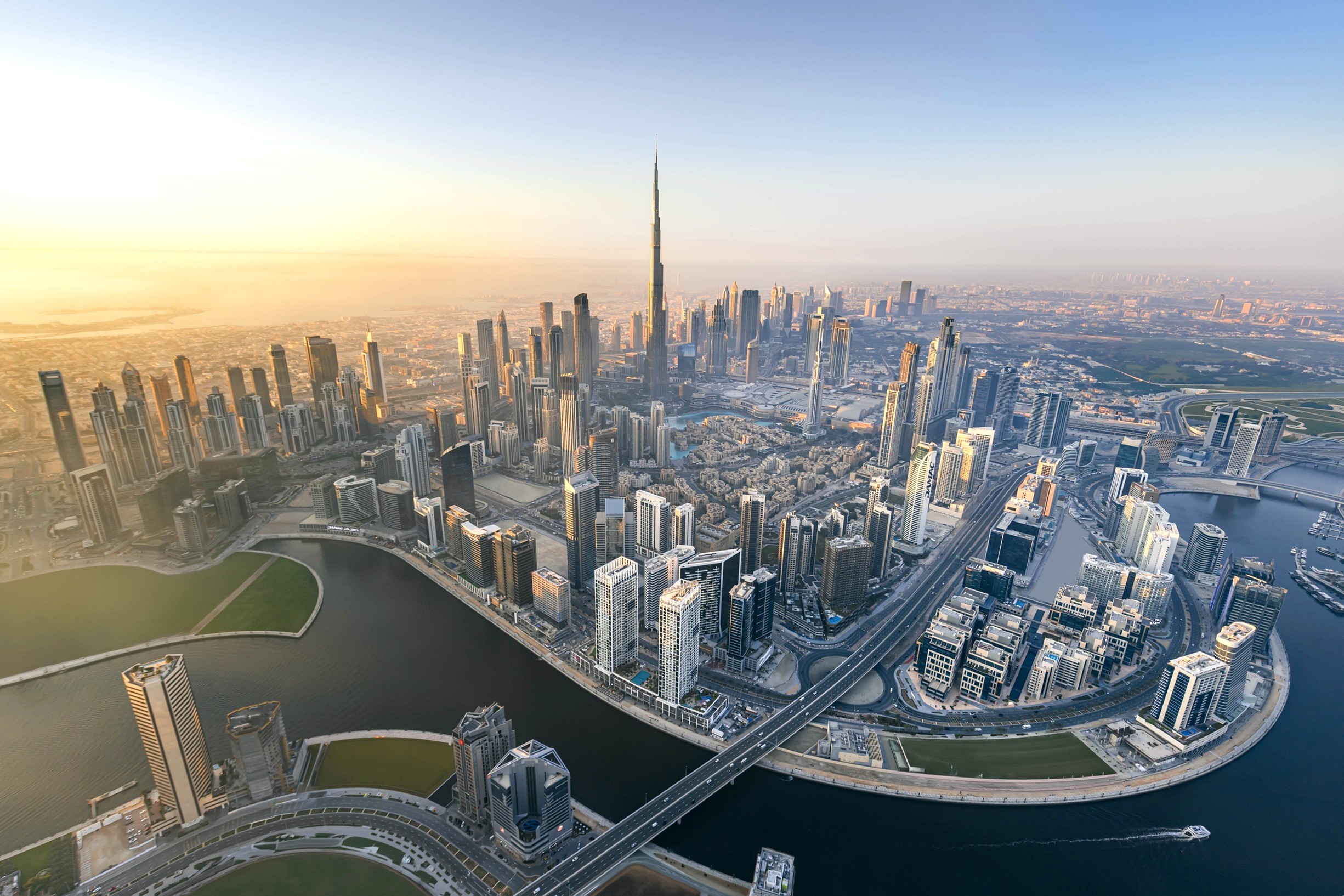
Dubai's Roads and Transport Authority (RTA) has announced the first key locations for the initial segment of the Dubai Loop, a next-generation underground transport network being developed in collaboration with The Boring Company, the tunnel-boring venture associated with Elon Musk. The authority confirmed that the first phase of the system will cover approximately 6.4 km and will feature dedicated underground lanes linking major urban hubs in the heart of the city. Advertisement


According to officials, the initial stretch of the Dubai Loop will connect the Dubai International Financial Centre (DIFC) with the Dubai Mall area, including related station points such as Burj Khalifa, ICD Brookfield Place and Zabeel Dubai Mall Parking. This alignment places the futuristic transport link at the heart of some of Dubai's most important commercial, retail and tourist districts, offering an alternative to surface travel and reducing transfer times for commuters and visitors alike.
The project has been described by local authorities as a key part of Dubai's strategy to enhance urban mobility through innovative infrastructure solutions. By placing high-speed, electric-powered vehicles in dedicated tunnels, the system is expected to dramatically cut travel times between its start and end points, from around 20 minutes by conventional road traffic to just a fraction of that within the Loop. This improved connectivity is intended to support both residents and the thousands of international visitors who frequent central Dubai's business and leisure districts.
The contract for the first phase of the project, which includes tunnel construction and station excavations, was signed at a major international summit, with an initial commitment of about AED 565 million. That phase will establish the foundation for future extensions of the network. Beyond the initial 6.4 km, the full system is expected to stretch over 24 km with up to 19 stations, linking further key employment, residential and tourism areas, including the Trade Centre district and Business Bay, according to transport planners.
Transport analysts say the Dubai Loop represents a bold investment in urban mobility technology and could serve as a model for rapid transit solutions in other high-density cities. By integrating the underground network with existing metro, bus and road systems, the project aims to provide an efficient first- and last-mile option for commuters. Planners have emphasised that the design minimises disruption to existing surface infrastructure while enabling high throughput of passengers.
Dubai has been advancing multiple transport projects in recent years as part of its long-term urban strategy. Alongside the Loop, the emirate is investing in expanded metro lines, autonomous transit systems and pedestrian mobility plans to create a well-connected and sustainable urban environment. The announcement of the initial locations for the Dubai Loop's construction marks a step forward in the city's vision to combine cutting-edge technology with practical solutions for congestion and connectivity.

5th Jun, 2025

25th May, 2023

11th May, 2023

27th Apr, 2023
Advertisement





 Facebook
 Whatsapp
