Advertisement










Private equity has played a significant role in shaping Indi...
In today’s real estate landscape, fitness is often treated...
In this episode of Prop Personalities, we sit down with Hars...
Luxury real estate is one of the most talked-about segments ...
Welcome to Prop Personalities by Prop News Time - a podcast ...
The year 2025 emerged as a defining phase for Mumbai's real estate and urban landscape, with redevelopment becoming the city's most credible pathway for growth. Faced with land scarcity, ageing housing stock and rising lifestyle expectations, Mumbai increasingly shifted its focus towards structured, large-scale redevelopment. The momentum witnessed across residential and mixed-use projects highlighted redevelopment's role as a tool for urban renewal, social upliftment and economic efficiency, setting a clear direction for the city's next growth cycle in 2026.
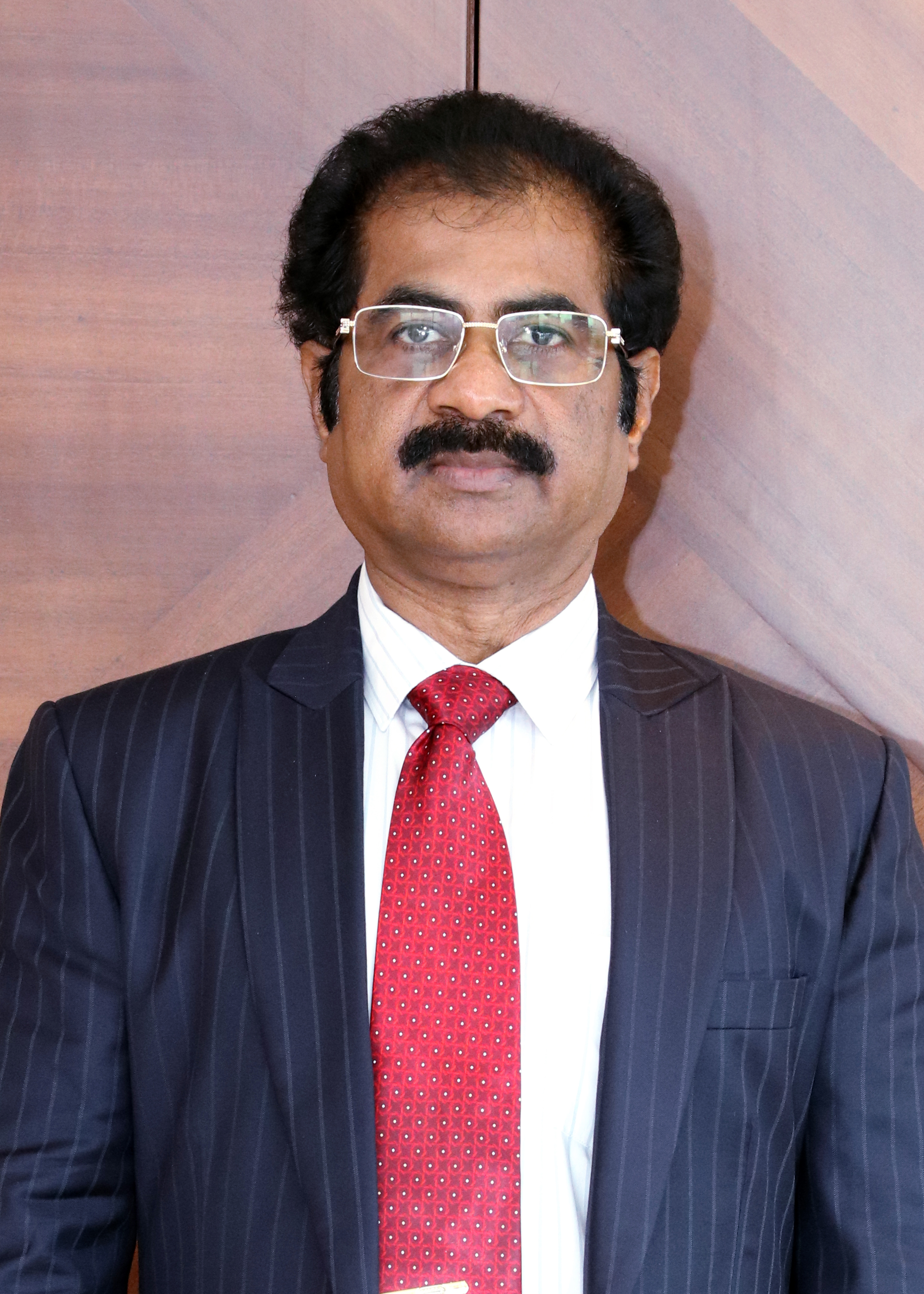
The past year marked a significant shift in how Indian cities, particularly Mumbai, approached urban development. With limited land availability and a vast inventory of ageing residential and commercial buildings, horizontal expansion gradually gave way to a redevelopment-led model that prioritised renewal over sprawl. Advertisement


Mumbai stood at the centre of this transformation. Large parts of the city continue to be built on decades-old infrastructure that no longer aligns with contemporary safety norms or lifestyle expectations. During 2025, redevelopment evolved from being a solution of last resort into the most practical and sustainable mechanism to unlock the city's next phase of growth, while preserving its dense urban fabric.
At a broader level, India's economic momentum remained strong, driven by infrastructure investment, urbanisation and domestic consumption. However, for mature metros such as Mumbai, growth was no longer defined by adding new land parcels. Instead, it revolved around reimagining existing neighbourhoods, upgrading liveability standards and creating resilient urban environments.
Redevelopment emerged as the defining theme across Mumbai's housing and commercial markets. Projects gained traction not only for their economic rationale but also for their wider urban impact. Redevelopment allowed ageing buildings to be replaced with structurally safer homes, enabled better utilisation of existing land, and improved access to modern amenities for long-standing residents without forcing displacement. At the same time, it unlocked underutilised value, with positive spillovers in employment generation and capital inflows.
Looking ahead to 2026, redevelopment is expected to become the primary engine driving Mumbai's real estate and infrastructure ecosystem. The focus is likely to shift from individual buildings to cluster-led and precinct-level transformation, supported by improved planning frameworks and coordinated infrastructure upgrades. Regulatory processes are also expected to mature further, offering greater clarity on approvals, tenant protection and execution timelines, thereby strengthening confidence among all stakeholders.
Sustainability and resilience are set to play a larger role in future redevelopment projects. Energy-efficient design, climate-responsive infrastructure, improved drainage, parking solutions and enhanced open spaces are expected to become central considerations as Mumbai adapts to environmental and mobility challenges. Equally important will be a community-first approach, with redevelopment projects integrating healthcare access, senior-friendly planning, green spaces and smart mobility solutions.
As Mumbai moves into its next growth phase, redevelopment is no longer a tactical real estate strategy but a long-term city-building responsibility. The city's future will be shaped not by new land creation, but by thoughtfully reworking what already exists. Entering 2026, redevelopment stands out as Mumbai's most powerful lever for creating a safer, more inclusive and future-ready urban environment.
Disclaimer:
The views, opinions, and information expressed in this article are solely those of the author and do not necessarily reflect the views of Prop News Time. The content has not been independently verified or endorsed by Prop News Time. Readers are advised to exercise their own discretion and seek professional advice if required.

5th Jun, 2025

25th May, 2023

11th May, 2023

27th Apr, 2023
Advertisement





 Facebook
 Whatsapp
