Advertisement










Private equity has played a significant role in shaping Indi...
In today’s real estate landscape, fitness is often treated...
In this episode of Prop Personalities, we sit down with Hars...
Luxury real estate is one of the most talked-about segments ...
Welcome to Prop Personalities by Prop News Time - a podcast ...
19 Oct 2025
Mumbai's ever-evolving skyline mirrors its unyielding ambition, yet behind the glitz lies a real estate sector grappling with financial unpredictability, policy instability, and bureaucratic hurdles. Despite contributing significantly to India's GDP, developers face higher borrowing rates, fluctuating premiums, and prolonged approval processes. Experts have urged the formal recognition of real estate as an industry, alongside regulatory stability, transparent approvals, and full digitisation to ensure investor confidence and market reliability in the long run.Read more

19 Oct 2025
Naigaon is steadily becoming a significant hub in Mumbai's northern corridor. Infrastructure projects such as the Bhayandar-Naigaon Creek Bridge, Metro Line 13, and the Virar-Alibaug Multi-Modal Corridor are improving connectivity within the city and beyond. Additional initiatives, including the Mumbai-Ahmedabad Bullet Train, Vadhavan Port, and a proposed greenfield airport, are linking the suburb to national and international trade and transport networks. Improved roads, railways, healthcare, and educational facilities are making daily life easier. Affordable housing and strong civic oversight make Naigaon an attractive option for families and investors.Read more
19 Oct 2025
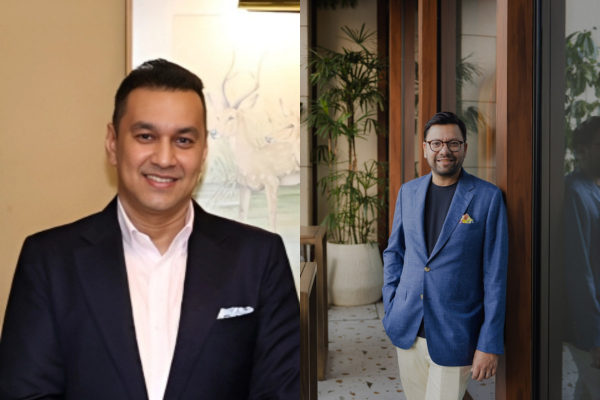
Real estate is shifting from a focus on property features and location to prioritizing human experience. Design thinking enables architects to understand how people interact with spaces, creating homes, offices, and commercial areas that are more flexible, collaborative, and user-friendly. Smart systems, sustainability measures, and technology integration further enhance comfort, efficiency, and environmental resilience. Iterative processes, client input, and real-world observation ensure properties meet actual needs, not just aesthetic goals. This approach is redefining urban spaces, increasing value, and promoting healthier, more productive communities.Read more

18 Oct 2025
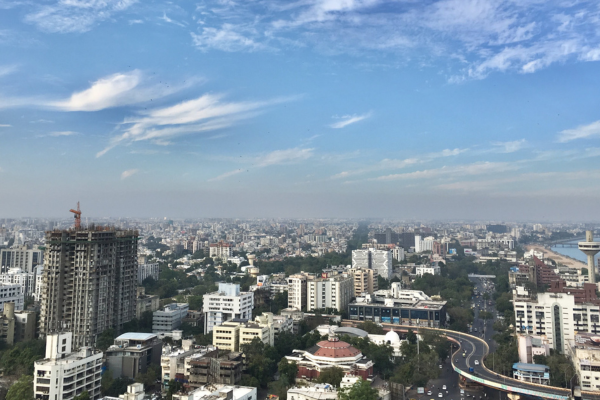
Navi Mumbai is steadily redefining its economic landscape, with the Panvel-Kharghar corridor emerging as the city's new central business district. The inauguration of the Navi Mumbai International Airport (NMIA), along with game-changing infrastructure such as the Mumbai Trans Harbour Link (MTHL) and the proposed International Corporate Park in Kharghar, has transformed this once-peripheral zone into a major commercial and residential hub. Supported by strategic government planning, improved connectivity, and sustainable urban development, the region is poised to rival traditional Mumbai business districts like Bandra-Kurla Complex and Andheri.Read more

18 Oct 2025
Kundli, near Sonipat in northern Haryana, is rapidly gaining attention as a top real estate investment destination in the National Capital Region (NCR). Its strategic location close to Delhi, coupled with strong industrial growth, improved connectivity, and affordable property rates, makes it attractive for both commercial and residential projects. Key infrastructure developments like the KMP Expressway, Urban Extension Road-II, and upcoming RRTS, along with supportive government policies, are boosting investor confidence. Experts highlight its potential for high capital appreciation and long-term returns in a fast-developing market.Read more
Advertisement


18 Oct 2025
Thane is becoming one of India's most attractive commercial and residential hubs, offering professionals a balance between career growth and personal well-being. With over 1.6 lakh enterprises registered, the city provides modern office infrastructure, lower real estate costs, and flexible workspaces suited for hybrid models. Strong connectivity through rail, road, and upcoming metro lines further enhances its appeal. Lifestyle-oriented townships, proximity to essential services, green spaces, and reduced commuting times make Thane a preferred choice for companies and employees seeking efficiency, productivity, and improved quality of life.Read more
01 Oct 2025
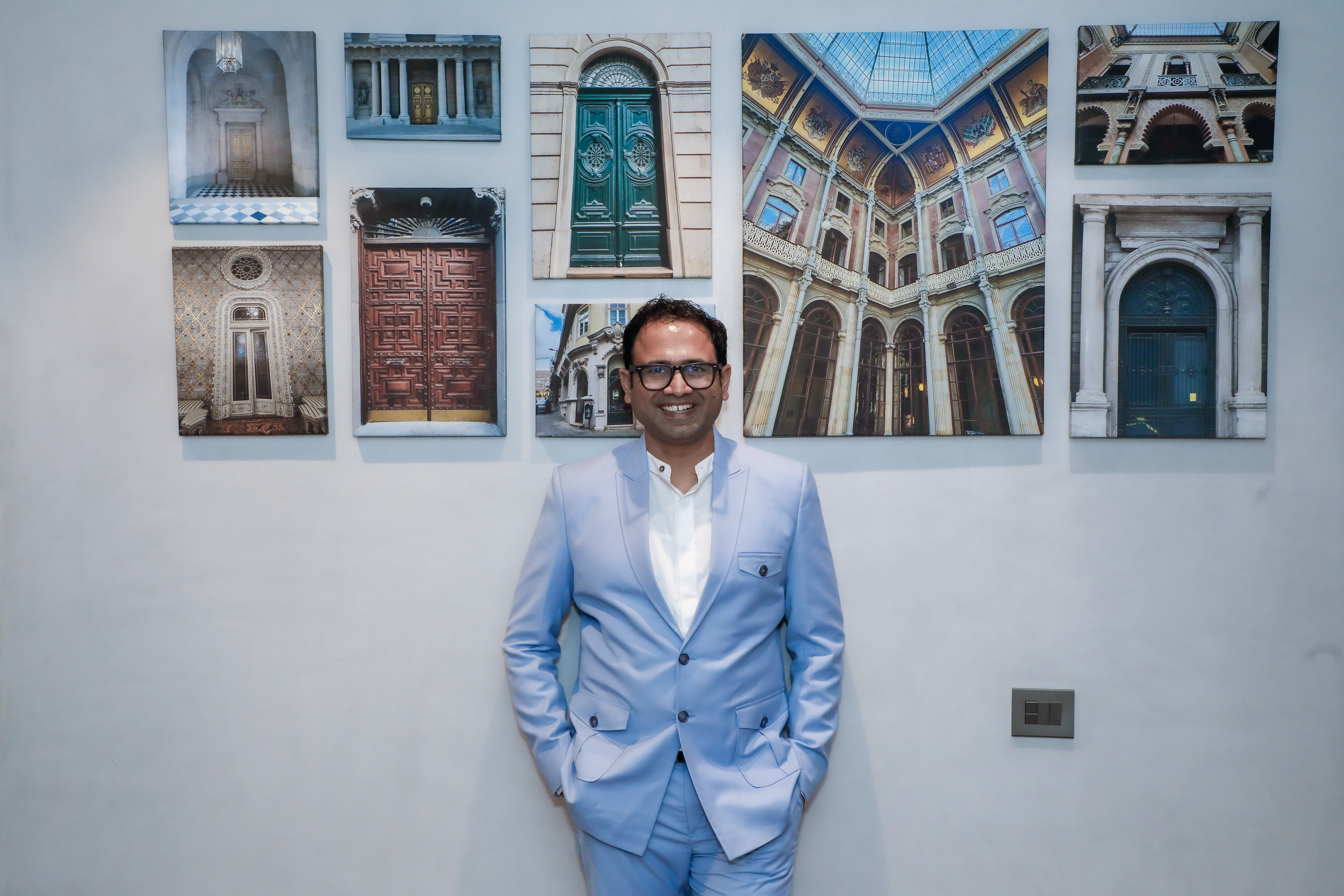
Sustainable industrial parks are increasingly drawing investor attention in India as businesses seek eco-friendly facilities that meet global standards and offer transparency. These parks integrate resource-sharing, renewable energy systems, and waste management to reduce carbon emissions and operational costs. Offering higher rental premiums and long-term viability, they are reshaping the industrial real estate sector. Cities like Pune, Chennai, and Coimbatore are emerging as key hubs driving this green transformation, attracting global tenants and supporting the nation's net-zero ambitions through sustainable infrastructure development.Read more

04 Sep 2025
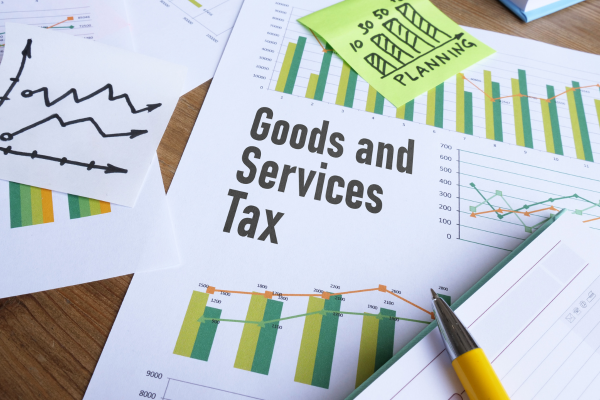
The government's GST reforms have simplified tax slabs to 5% and 18% and reduced rates on key construction materials, including cement, steel, granite blocks, and sand-lime bricks. Industry leaders say these changes will lower construction costs, improve project viability, and boost housing affordability. The reforms are expected to encourage developers to launch new projects, create employment, and improve buyer confidence. With the festive season approaching, the rationalisation of GST is likely to support stronger sales across residential segments while enhancing long-term growth in the real estate and construction sectors.Read more
03 Sep 2025
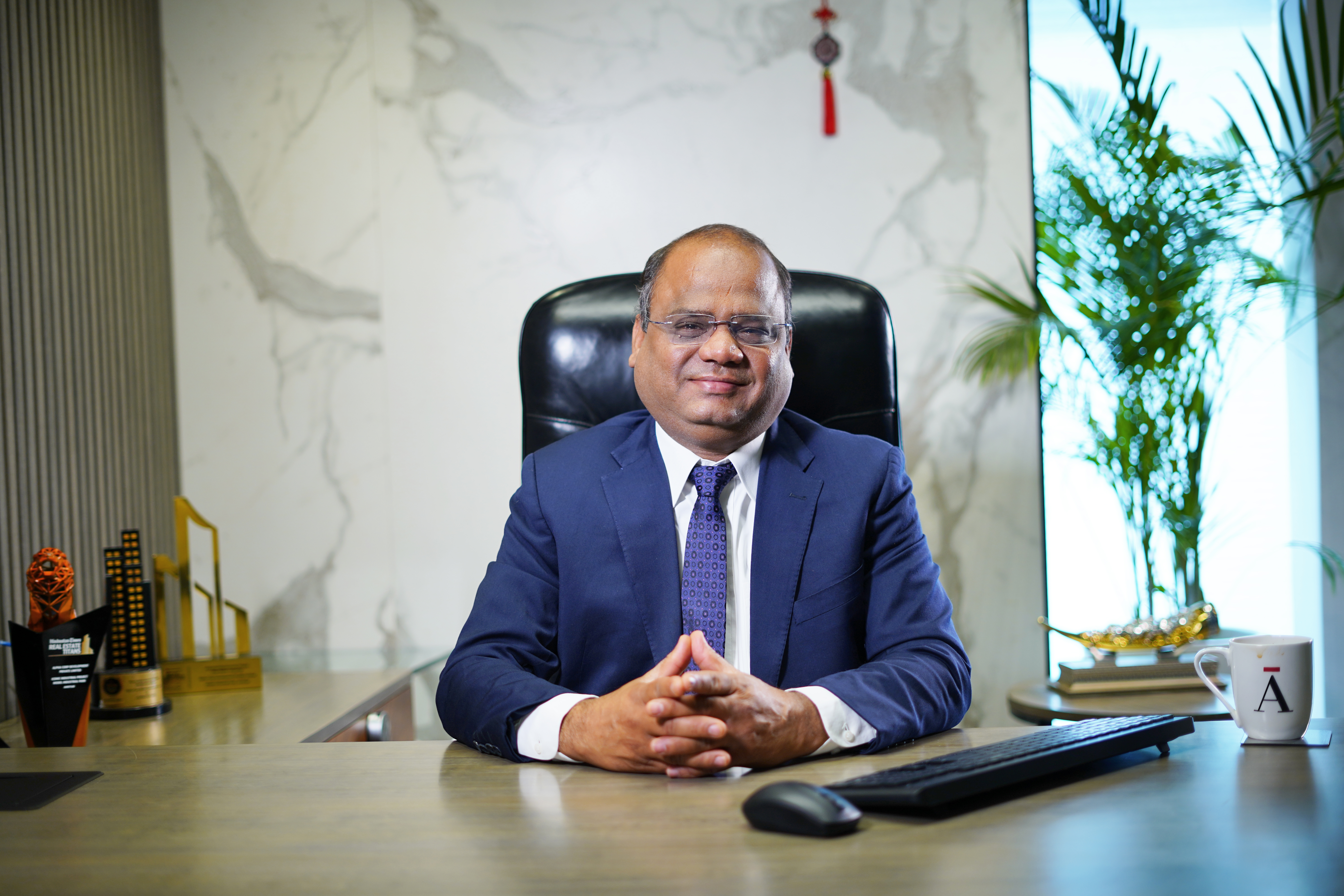
Non-Resident Indians (NRIs) have emerged as a driving force in India's real estate sector, moving from emotion-led investments to data-driven and strategic decisions. Delhi-NCR is becoming a preferred hub, with Gurugram leading in luxury and premium projects. Government reforms, relaxed FDI rules, RERA-led transparency, and favourable currency exchange have strengthened confidence. Technology, REITs, fractional ownership, and portfolio diversification are further expanding opportunities for NRIs across the sector.Read more
01 Sep 2025
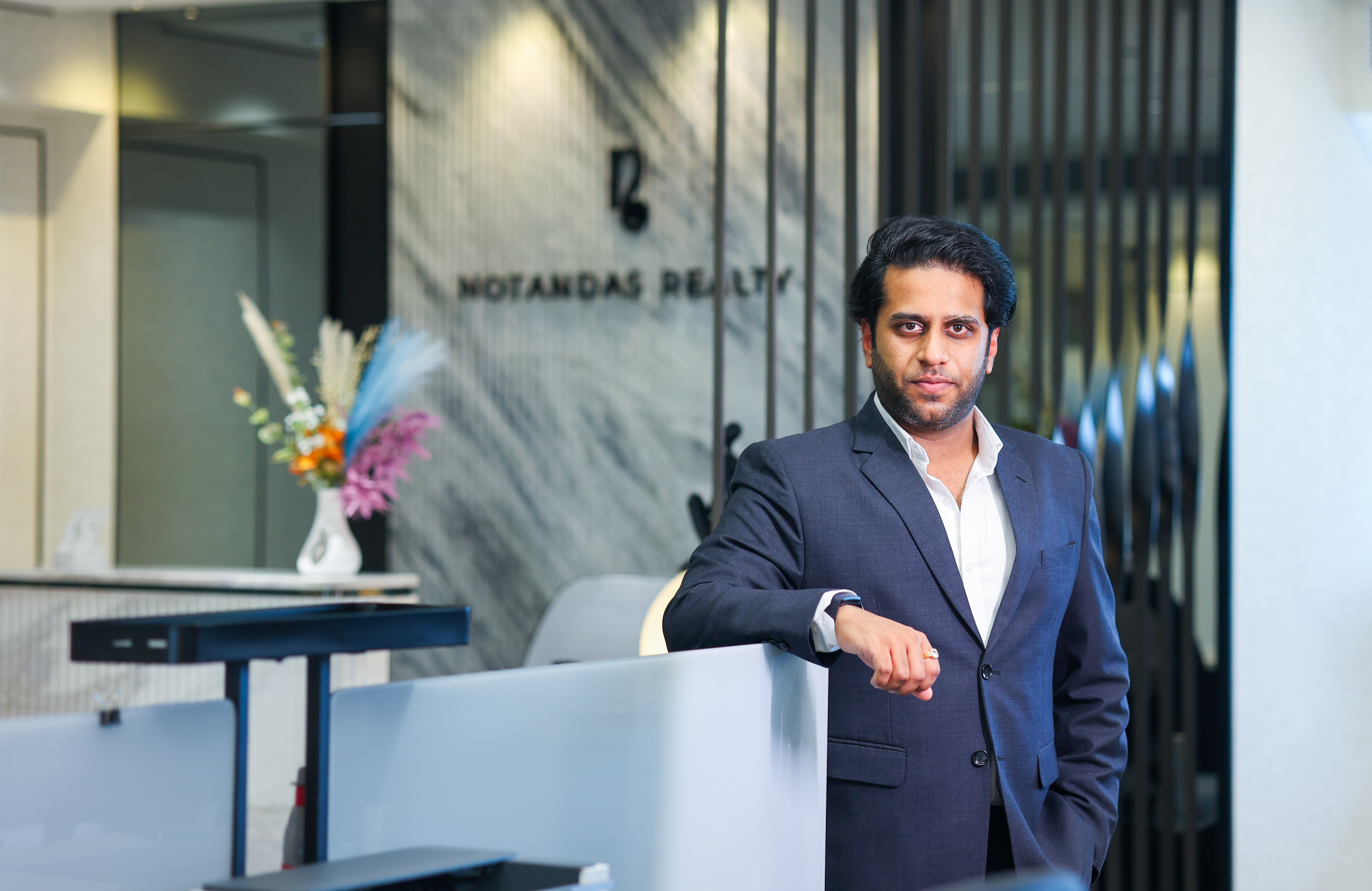
India's real estate market is in a robust growth phase, driven by a strong economy, a significant infrastructure push, and rising consumer buying power. According to Harsh Jagwani, Managing Director of Notandas Realty, this growth is not limited to metros but is also visible in tier-2 and tier-3 cities. With developers responding to new trends like premiumization, sustainability, and technology, the market is poised for appreciation in the next 2-3 years. This sentiment is also supported by strong demand across all segments, particularly in the undersupplied commercial sector.Read more
Advertisement





