Advertisement










When should a housing society in Mumbai start considering re...
From GST on JDAs to SEBI’s REIT reclassification and the S...
Stay ahead in the world of real estate with our daily podcas...
Stay ahead in the world of real estate with our daily podcas...
The Willis Tower, formerly known as the Sears Tower, is an iconic skyscraper located in the heart of Chicago, Illinois. Completed in 1973, it was once the tallest building in the world, standing at 1,450 feet (442 meters). Designed by architect Bruce Graham and structural engineer Fazlur Rahman Khan, the tower was groundbreaking in its use of a bundled tube design, a structural innovation that allowed it to reach unprecedented heights while maintaining stability. The building is composed of nine interconnected square tubes, creating a sleek, geometric shape that has become a defining feature of the Chicago skyline. The Willis Tower houses office spaces, and its Skydeck, located on the 103rd floor, offers stunning panoramic views of Chicago and its surroundings. Visitors can step out onto ""The Ledge,"" a glass balcony that extends out from the building, providing a thrilling experience with views straight down to the streets below. In addition to its role as a commercial office buil ...
Read more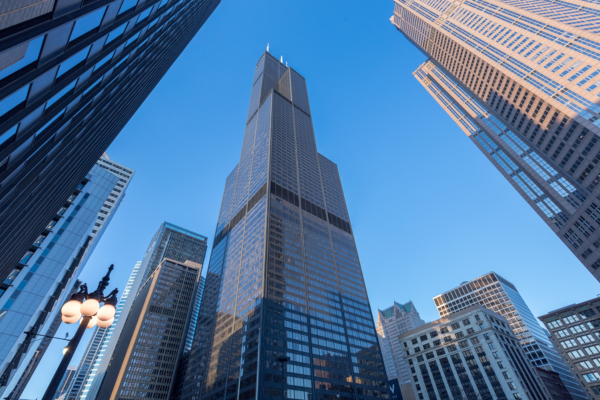
The Shanghai Tower, located in the Lujiazui area of the city's Pudong district, is a stunning example of modern architecture and engineering. Standing at a height of 632 meters (2,073 feet), it is the tallest building in China and the second tallest in the world. Designed by architect Gensler, the tower was completed in 2015 and features a unique twisted design that spirals upwards, giving it a dynamic and futuristic appearance. The building’s sleek glass façade and tapering form are not only visually striking but also serve a practical purpose, reducing wind load and enhancing stability. The Shanghai Tower is a multi-use structure, with office spaces, retail areas, and luxury hotels, as well as an observation deck on the 118th floor that offers breathtaking views of the city skyline. The tower is a symbol of China's rapid modernization and economic growth, serving as a hub for commerce, culture, and tourism. It incorporates sustainable design elements, such as energy-efficient s ...
Read more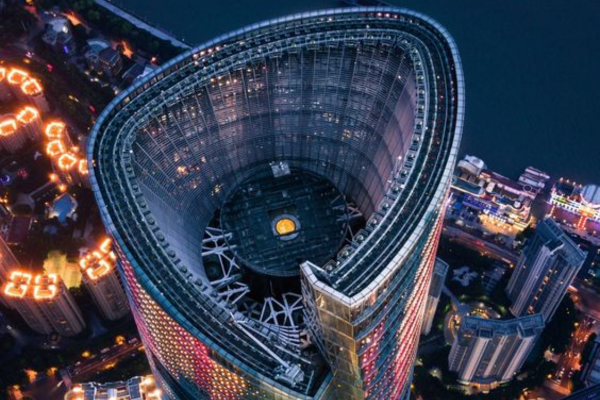
One World Trade Center, also known as the Freedom Tower, is a striking symbol of resilience and renewal located in the Lower Manhattan district of New York City. Standing at a height of 1,776 feet (541 meters), it is the tallest building in the United States and the Western Hemisphere. Designed by architect David Childs, it was completed in 2013 on the site of the original World Trade Center, which was destroyed in the September 11, 2001 attacks. The tower’s sleek, modern design features a glass façade that tapers as it rises, giving it a slender, elegant appearance. The building houses office spaces, an observation deck offering panoramic views of the city, and the One World Observatory on the 100th to 102nd floors, attracting millions of visitors annually. The tower's height and distinctive design are meant to evoke the year 1776, reflecting a sense of strength, freedom, and American patriotism. Beneath the tower lies the National September 11 Memorial & Museum, honoring those ...
Read more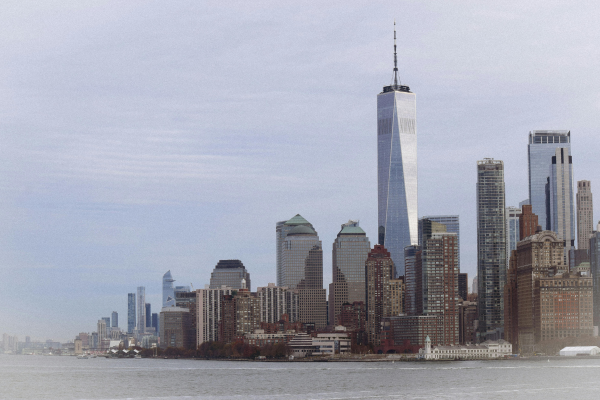
Westminster Abbey, located in the heart of London, England, is one of the most historically significant and architecturally stunning churches in the world. Founded in 960 AD and later rebuilt in the 13th century under the reign of King Henry III, the Abbey is a masterpiece of Gothic architecture. Its striking features include pointed arches, ribbed vaults, and flying buttresses, which contribute to its grand and awe-inspiring presence. As the site of royal coronations since 1066, it has been the setting for the crowning of monarchs, including the recent coronation of Queen Elizabeth II in 1953. Westminster Abbey is also home to the tombs of numerous British monarchs, including Henry V, Elizabeth I, and Mary, Queen of Scots, as well as other notable figures such as Isaac Newton, Charles Darwin, and Charles Dickens. The Abbey’s beautifully crafted interior, featuring stunning stained-glass windows and intricate stonework, attracts millions of visitors each year. As a UNESCO World He ...
Read more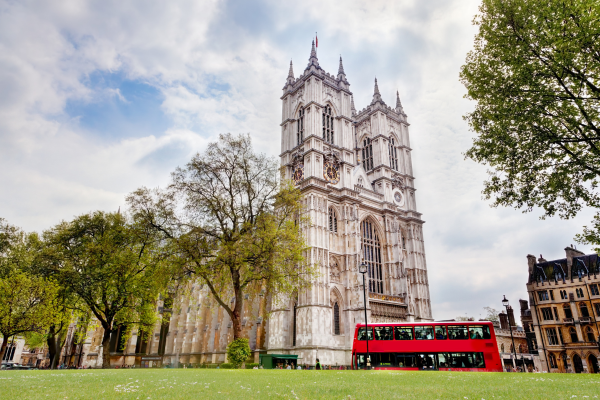
The Taj Mahal, one of the most magnificent architectural masterpieces in the world, is a white marble mausoleum located in Agra, India. It was commissioned in 1632 by the Mughal Emperor Shah Jahan in memory of his beloved wife, Mumtaz Mahal, who died during childbirth. Considered a symbol of eternal love, the Taj Mahal is an outstanding example of Mughal architecture, blending Persian, Islamic, and Indian influences. Constructed using white Makrana marble, the monument features intricate calligraphy, floral motifs, and delicate inlay work with precious and semi-precious stones. The central dome rises to 73 metres (240 feet) and is surrounded by four slender minarets, which are slightly tilted outward to protect the structure in case of collapse. The Taj Mahal complex includes lush gardens, a reflecting pool, and a red sandstone mosque, enhancing its serene beauty. Declared a UNESCO World Heritage Site in 1983, it attracts millions of visitors annually and is regarded as one of the N ...
Read more
The Eiffel Tower, one of the most iconic landmarks in the world, is a wrought-iron structure located on the Champ de Mars in Paris, France. Designed by Gustave Eiffel and completed in 1889, it was originally built as the centrepiece of the Exposition Universelle (World’s Fair) to celebrate the 100th anniversary of the French Revolution. Standing at 330 metres (1,083 feet), it was the tallest man-made structure in the world until the Chrysler Building in New York surpassed it in 1930. Initially criticised by artists and intellectuals of the time, the tower has since become a global symbol of France, attracting millions of visitors annually. Made from over 18,000 iron pieces and weighing approximately 10,100 tonnes, the Eiffel Tower is a masterpiece of engineering and design, showcasing the advancements of the Industrial Age. It features three observation decks, offering stunning panoramic views of Paris. Originally intended to be dismantled after 20 years, the tower was saved due to i ...
Read more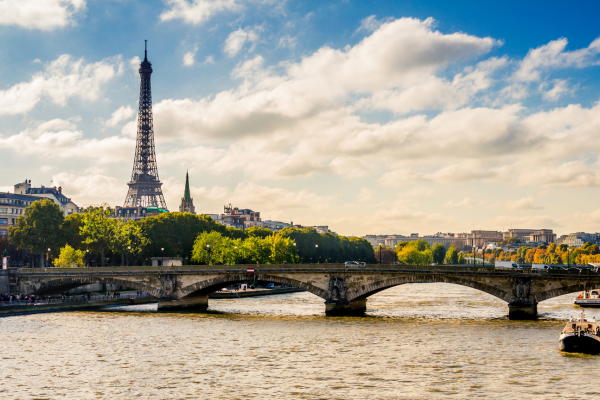
The Empire State Building is an iconic skyscraper in New York City, USA, renowned for its Art Deco design and historical significance. Completed in 1931 it stood as the world's tallest building for nearly 40 years, reaching a height of 1,454 feet (443.2 metres), including its antenna Located in Midtown Manhattan, this 102-story structure was designed by the architectural firm Shreve, Lamb & Harmon and constructed in just one year and 45 days, a remarkable feat at the time. It remains a symbol of American ambition and resilience, especially as it was built during the Great Depression. The building's observation decks on the 86th and 102nd floors offer breathtaking panoramic views of New York City, attracting millions of visitors annually. Featuring a steel frame, limestone façade, and a distinctive tiered structure, it exemplifies the grandeur of early 20th-century skyscraper design. Recognised as a National Historic Landmark, the Empire State Building continues to be a cultural and ar ...
Read more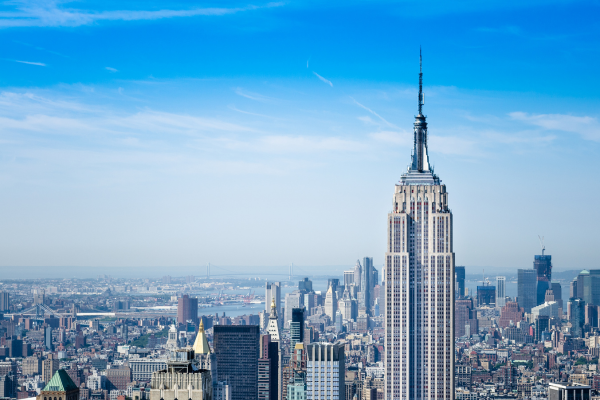
The Great Pyramid of Giza, located on the Giza Plateau near Cairo, Egypt, is one of the most famous and enduring symbols of ancient Egypt. Built around 2580–2560 BCE during the Fourth Dynasty of the Old Kingdom, it is the largest of the three pyramids at Giza and was originally constructed as the tomb of the Pharaoh Khufu (also known as Cheops). As one of the Seven Wonders of the Ancient World, the Great Pyramid remains a remarkable feat of ancient engineering and a testament to the sophistication of Egyptian architecture. Key Architectural Features Size and Structure: The Great Pyramid was originally 146.6 meters (481 feet) tall, although it now stands at 138.8 meters (455 feet) due to the loss of the outer casing stones. It was the tallest man-made structure in the world for over 3,800 years. The pyramid consists of an estimated 2.3 million limestone blocks, each weighing several tons, carefully arranged to create the massive structure. Perfect Alignment: The pyramid is al ...
Read more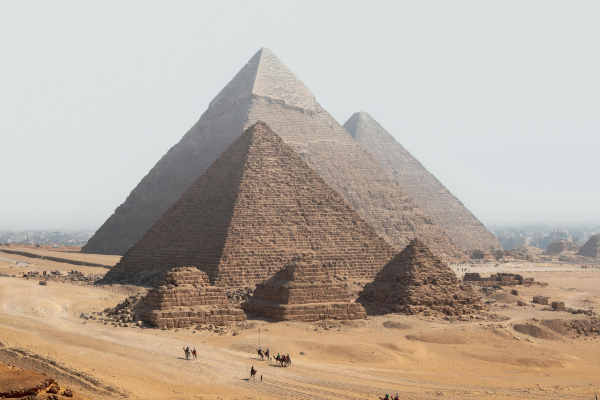
The Parliament Building in Budapest, Hungary, is one of the most iconic landmarks in Europe, known for its breathtaking architecture and historical significance. Situated on the banks of the Danube River, this majestic building serves as the seat of the National Assembly of Hungary and is a symbol of the country's political and cultural heritage. Completed in 1904, it stands as a magnificent example of neo-Gothic architecture, blending elements of Renaissance Revival, Baroque, and a touch of Art Nouveau in its design. Key Architectural Features Grand Facade and Dome: The Parliament Building is characterized by its grand, symmetrical facade, which stretches for 268 meters along the Danube riverfront. At its center is a massive dome, rising 96 meters above ground, symbolizing Hungary’s millennium (the country celebrated 1,000 years since its foundation in 1896). The dome is the highest point of the building, offering stunning views of the city. Elaborate Ornamentation: The bui ...
Read more
Angkor Wat, located in Siem Reap, Cambodia, is one of the most revered and iconic architectural monuments in the world. Originally built in the early 12th century as a Hindu temple dedicated to the god Vishnu, it later transitioned into a Buddhist temple and continues to serve as a place of worship today. As the largest religious monument in the world, Angkor Wat stands as a symbol of Cambodia’s cultural and historical heritage, drawing millions of visitors each year. Key Architectural Features Grand Central Tower: The central tower of Angkor Wat rises majestically to a height of 65 meters (213 feet) and symbolizes Mount Meru, the sacred center of the universe in Hindu and Buddhist cosmology. The temple's five towers, arranged in a quincunx pattern, represent the five peaks of the mountain, while the surrounding moat symbolizes the cosmic ocean. Intricate Bas-Reliefs: Angkor Wat is renowned for its detailed bas-reliefs that adorn the walls, depicting scenes from Hindu mythol ...
Read more
The Burj Khalifa, standing as the tallest building in the world, is an extraordinary feat of engineering and design that has become a global icon. Located in Dubai, UAE, this monumental skyscraper reaches a height of 828 meters (2,717 feet) and is a symbol of the city’s ambition and modernization. Completed in 2010, the Burj Khalifa is not just a marvel of architecture but also a testament to Dubai's rapid development into a leading global metropolis. Key Architectural Features Tapering Design: The Burj Khalifa’s design is inspired by the geometric patterns of the desert flower Hymenocallis, with a central core and three symmetrical wings that taper as they rise. This unique design allows the building to withstand the desert winds while providing a sleek, elegant silhouette against the Dubai skyline. Glass and Steel Facade: The exterior of the Burj Khalifa is made up of reflective glass, stainless steel, and reinforced concrete, all contributing to its sleek, modern look. ...
Read more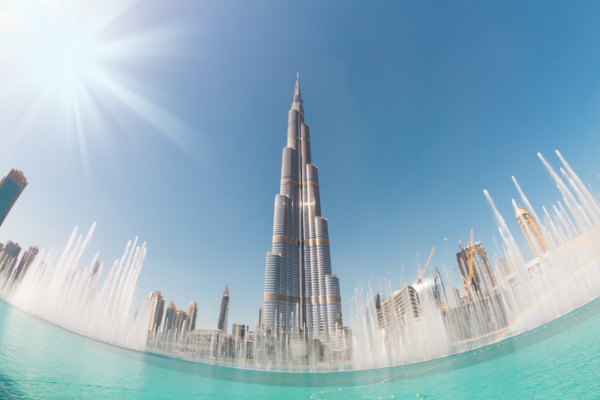
La Sagrada Família, the basilica designed by the renowned architect Antoni Gaudí, is one of the most famous and ambitious architectural projects in the world. Located in the heart of Barcelona, this iconic structure has been under construction since 1882 and is expected to be completed in the coming decades. A UNESCO World Heritage site, La Sagrada Família is a testament to Gaudí's visionary design and is considered one of the most exceptional examples of modernist architecture. Key Architectural Features Intricate Facades: La Sagrada Família is famous for its three monumental facades: the Nativity Facade, the Passion Facade, and the Glory Facade. Each facade tells a different story from the life of Christ, with intricate sculptures and detailed carvings. The Nativity Facade, dedicated to the birth of Christ, is the most decorative, filled with naturalistic and symbolic elements. Towering Spires: The basilica is renowned for its soaring towers, with a total of 18 planned ...
Read more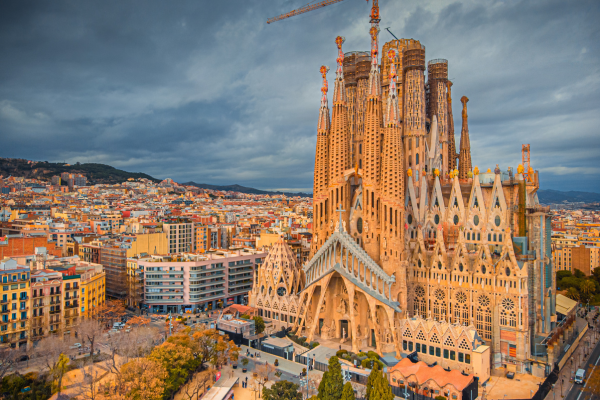
The Great Mosque of Djenné, located in the town of Djenné in Mali, is one of the most iconic examples of Sudano-Sahelian architecture. Built in the 13th century and reconstructed in its current form in 1907, the mosque is not only a religious centre but also a symbol of the region’s rich history and cultural heritage. Recognised as a UNESCO World Heritage site, the mosque stands as a stunning example of traditional adobe construction and remains the largest mud brick building in the world. Key Architectural Features Adobe Construction: The mosque is built entirely from mud bricks (adobe), a material that reflects the local tradition of using natural resources for construction. The thick, earthen walls help keep the interior cool in the extreme heat of the Sahel region. The building’s façade is rough-textured, with large wooden stakes protruding from the walls, which are used as scaffolding during the annual re-plastering ceremony. Minarets and Pinnacles: The mosque feat ...
Read more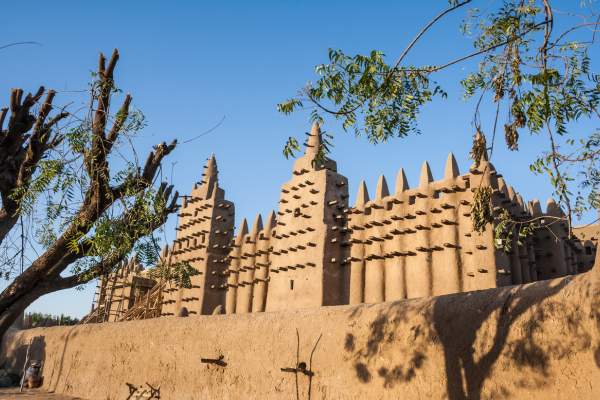
St. Basil’s Cathedral, located in the heart of Moscow's Red Square, is one of the most iconic and recognisable buildings in the world. Completed in 1561 under the orders of Tsar Ivan the Terrible, it is known for its vibrant, onion-shaped domes and its intricate design. The cathedral’s unique architecture, which combines elements of Byzantine and Russian traditions, has made it a symbol of Russia’s rich cultural heritage and spiritual history. Key Architectural Features Onion Domes: The most distinctive feature of St. Basil’s Cathedral is its collection of brightly coloured, onion-shaped domes. Each of the cathedral's nine domes is uniquely shaped and adorned with elaborate patterns, creating a whimsical and striking visual effect. These domes are a hallmark of Russian Orthodox architecture and symbolize the celestial realm. Intricate Exterior Ornamentation: The cathedral’s exterior is covered in ornate details, including colourful brickwork, intricate carvings, and ...
Read more
Notre-Dame du Haut, located in the small village of Ronchamp in eastern France, is one of the most celebrated examples of modern religious architecture. Designed by the renowned architect Le Corbusier, the chapel was completed in 1955 and has since become an iconic masterpiece of 20th-century architecture. The structure is notable for its innovative design, which diverges from traditional notions of religious architecture, blending bold modernist forms with a deep respect for spirituality. Key Architectural Features Curved Roof: The most striking feature of Notre-Dame du Haut is its sweeping, irregularly shaped concrete roof. This organic, flowing design creates a sense of fluidity and movement, in stark contrast to the rigid, straight lines typical of classical religious architecture. The roof appears to float above the building, supported by a series of concrete walls, enhancing the chapel's sense of lightness. Thick, Sculptural Walls: The walls of the chapel are thick and ...
Read more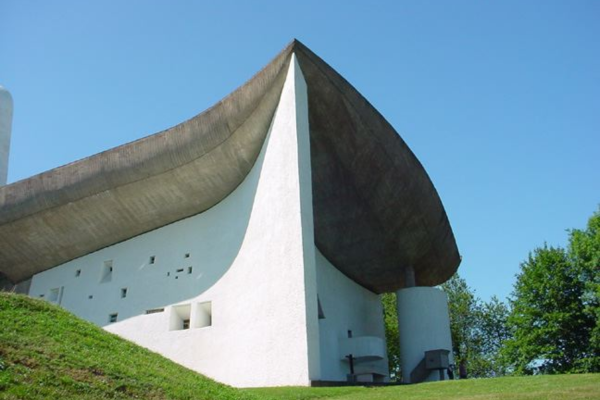
The Palace of Westminster, located along the River Thames in London, is one of the most iconic and historically significant buildings in the United Kingdom. Originally built in the 11th century, it has undergone numerous expansions and refurbishments, culminating in its current form as the seat of the UK Parliament. Known for its stunning Gothic Revival architecture and its role in British political life, the Palace of Westminster is a symbol of democracy, governance, and national heritage. Key Architectural Features Big Ben (Elizabeth Tower): Perhaps the most famous feature of the Palace of Westminster is the towering Elizabeth Tower, commonly referred to as Big Ben, after the large bell housed within it. The tower, standing at 316 feet (96 meters), is an iconic symbol of both London and the United Kingdom, recognized worldwide for its clock face and its striking chimes. Westminster Hall: The oldest part of the Palace of Westminster, Westminster Hall dates back to 1097 and ...
Read more
The Palace of Versailles, located just outside Paris, is one of the most famous and opulent royal residences in the world. Originally a hunting lodge for King Louis XIII in 1624, it was transformed and expanded by his son, King Louis XIV, into a grandiose palace that would become the centre of political power in France for over a century. The Palace of Versailles is not only a symbol of royal extravagance but also an enduring masterpiece of French Baroque architecture, renowned for its stunning design, gardens, and historical significance. Key Architectural Features Hall of Mirrors (Galerie des Glaces): The most famous room in the palace, the Hall of Mirrors is a long gallery with 17 large mirrors opposite 17 windows, which reflect the beauty of the gardens. The hall, adorned with chandeliers and gold leaf, was the site of important historical events, including the signing of the Treaty of Versailles in 1919, which ended World War I. Château and Gardens: The palace complex ...
Read more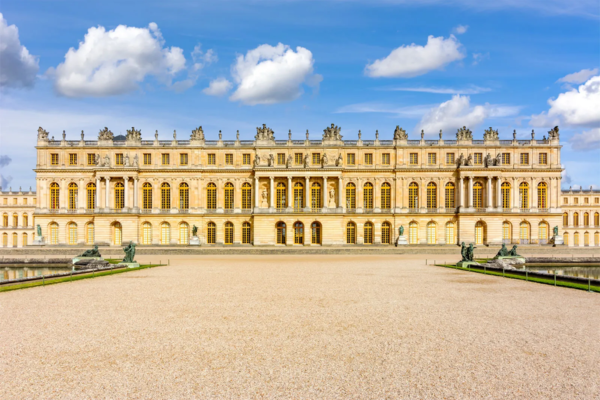
Advertisement


The World Financial Center, now known as Brookfield Place, is a prominent complex located in the heart of Lower Manhattan, New York City. Completed in the 1980s, this iconic complex features a series of interconnected buildings that house offices, retail spaces, and cultural institutions. Known for its sleek, modern design, the World Financial Center serves as a hub for finance, commerce, and cultural exchange, contributing significantly to New York's skyline. Key Architectural Features Glass Atrium: One of the most distinctive features of the World Financial Center is its vast glass atrium, which serves as the central gathering space for the complex. The atrium, with its soaring glass walls and high ceilings, creates a light-filled, open atmosphere and serves as a link between the office towers and the surrounding public spaces. Postmodern Design: The complex features a postmodern architectural style, with angular lines, a combination of stone and glass, and stepped setback ...
Read more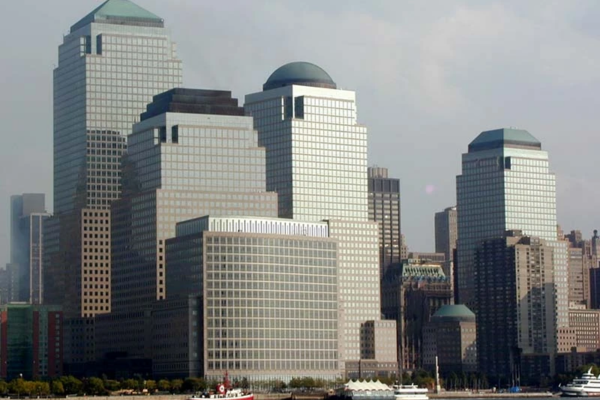
The Louvre Museum, located on the banks of the River Seine in Paris, France, is one of the world’s largest and most visited museums, housing an unparalleled collection of art and antiquities. Originally built as a fortress in the late 12th century by King Philip II, it was transformed into a royal palace and eventually into a museum during the French Revolution. Today, the Louvre is a symbol of France's cultural and artistic heritage, and its iconic architecture blends historical grandeur with modern innovation. Key Architectural Features Pyramid Entrance: The most recognizable feature of the Louvre Museum is its glass pyramid entrance designed by architect I. M. Pei, which was completed in 1989. The sleek, modern design contrasts with the historic surrounding architecture, creating a striking juxtaposition of old and new. The pyramid allows natural light to flood the underground lobby and serves as the main entry point to the museum. Cour Carrée (Square Courtyard): The Lou ...
Read more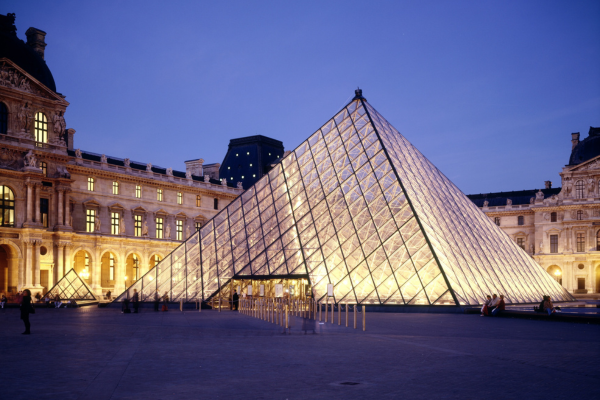
The Guggenheim Museum Bilbao, located in the Basque capital of Bilbao, Spain, is a masterpiece of contemporary architecture and one of the most celebrated museums in the world. Designed by Canadian-American architect Frank Gehry and completed in 1997, the museum is a defining symbol of the city’s cultural and economic revitalisation. Its bold, sculptural design and innovative use of materials have made it an icon of modern architecture, attracting millions of visitors from around the world. Key Architectural Features Sculptural Forms and Organic Shape: The Guggenheim Museum is known for its undulating, organic form, which seems to ripple and twist, resembling the movement of a ship or a flower. The building's fluid, curvilinear structure is a departure from traditional museum design, embracing Gehry’s characteristic approach of asymmetry and unpredictability. Titanium Cladding: One of the most striking features of the museum’s exterior is its use of titanium panels, whic ...
Read more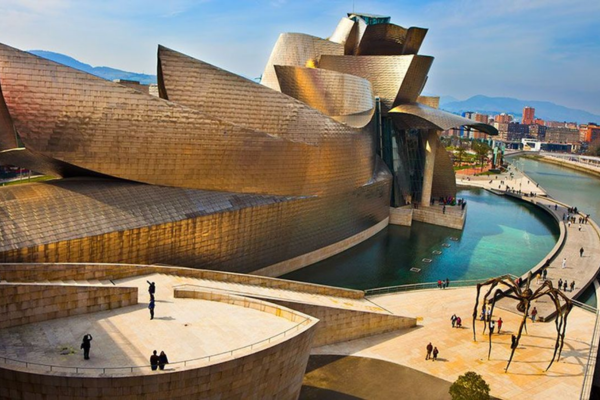
The Seagram Building, located in the heart of Manhattan, New York City, is a pioneering example of modernist architecture. Completed in 1958, it was designed by renowned architect Ludwig Mies van der Rohe in collaboration with Philip Johnson. The building is regarded as one of the most influential works of 20th-century architecture, setting a new standard for office buildings with its innovative design and use of materials. Key Architectural Features Glass and Bronze Exterior: The Seagram Building is known for its sleek glass facade, framed by a grid of bronze-colored steel, creating a striking contrast between transparency and opacity. The building's minimalistic, clean lines emphasize simplicity and elegance, characteristic of Mies van der Rohe's architectural philosophy of ""less is more."" Elevated Base: One of the most distinctive features of the Seagram Building is its raised platform, which creates a large plaza at street level. The plaza, surrounded by a series of bron ...
Read more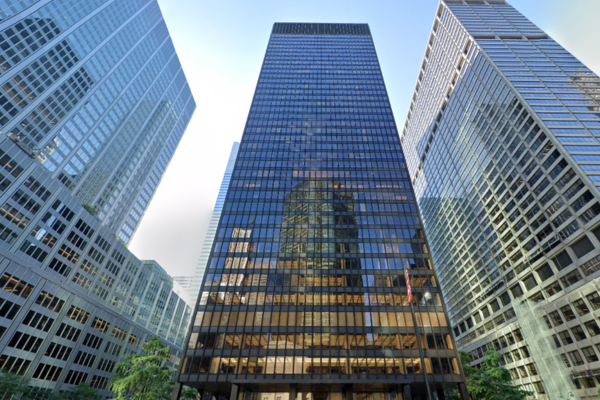
The Parthenon, located on the Acropolis of Athens, Greece, is one of the most enduring symbols of Ancient Greece and Western civilization. Completed in 438 BCE during the height of the Athenian Empire, it was dedicated to the goddess Athena, the patroness of the city. Designed by architects Iktinos and Kallikrates, under the direction of the sculptor Phidias, the Parthenon is a prime example of Doric architecture and has greatly influenced the development of Western architecture. Key Architectural Features Doric Columns: The Parthenon’s design is based on the Doric order, characterized by simple, sturdy columns with no bases, and a fluted shaft. The columns are slightly tilted inward and have subtle curvature (entasis) to correct optical illusions, creating a sense of harmony and balance. The Parthenon Frieze and Sculptures: The frieze that runs around the temple’s exterior depicts a grand procession in honor of Athena, while the pediments, created by Phidias, show mytholo ...
Read more
The Lloyd's Building, located in the heart of the City of London, is one of the most innovative and distinctive examples of contemporary architecture. Completed in 1986, it serves as the headquarters of Lloyd's of London, the world's leading insurance market. Designed by architect Richard Rogers, the building is celebrated for its bold, futuristic design and its unconventional approach to office space and building infrastructure. Key Architectural Features Exposed Structure: The Lloyd's Building is known for its radical, high-tech design, with much of its structural framework and service elements (such as elevators, pipes, and ducts) placed on the exterior of the building. This design exposes the internal workings of the building, creating a dynamic and industrial aesthetic. Glass and Stainless Steel Facade: The building’s sleek, glass-and-steel exterior reflects its modern and technological focus. The use of glass allows for natural light to flood the interior spaces, while ...
Read more
The Gateway Arch, located in St. Louis, Missouri, is one of the most recognisable landmarks in the United States and an iconic symbol of American expansion. Standing 630 feet (192 meters) tall, the Arch is the tallest man-made monument in the Western Hemisphere. Completed in 1965, the Arch was designed by architect Eero Saarinen and has since become a symbol of the city and the broader concept of westward expansion. Key Architectural Features Curved Stainless Steel Structure: The Gateway Arch is constructed from stainless steel, giving it a sleek and modern appearance. Its graceful, curved shape is not only visually striking but also structurally sound, allowing it to stand tall despite its slender profile. The curve represents the arch as a gateway to the West. Triangular Base: The base of the Arch is made up of massive triangular concrete legs, providing stability and strength. This design allows the Arch to withstand winds and seismic activity while maintaining its graceful ...
Read more
Moscow's business district features a unique sight: the Evolution Tower. Unlike the traditional architecture nearby, this neo-futurist marvel stands out with its twisted design, seemingly defying gravity. Originally known as the Wedding Palace and City Palace, the tower has embraced a forward-looking identity. Architect Tony Kettle and artist Karen Forbes conceived the tower's groundbreaking design in 2004, but construction didn't begin until 2011. Rising 55 stories high, the tower's facade is its most striking feature. Each floor subtly rotates by 3 degrees, creating a mesmerizing spiral effect reminiscent of a DNA strand. The design is symbolic of the tower's name, Evolution Tower, because it keeps changing. Beyond its exterior, the tower houses a multi-level complex with office spaces, a shopping mall, a family entertainment centre, and direct access to a metro station. Fun Fact: The Evolution Tower's front uses advanced cold-bending technology to curve its glass panels un ...
Read more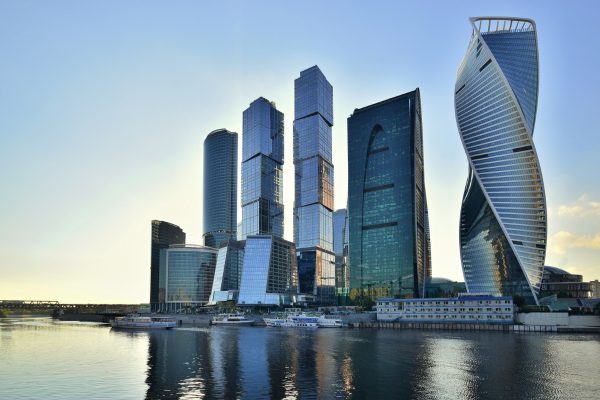
The Sistine Chapel, located in Vatican City, is one of the most famous and culturally significant religious buildings in the world. Renowned for its stunning frescoes, especially those painted by Michelangelo, the chapel has been a centre of Christian worship for centuries. Completed in the late 15th century under Pope Sixtus IV, after whom it is named, the Sistine Chapel is part of the Vatican Museums and plays a crucial role in the papal conclave, where a new pope is elected. Key Architectural Features Vaulted Ceiling: The ceiling of the Sistine Chapel is perhaps the most celebrated aspect of its architecture. Designed by Michelangelo between 1508 and 1512, it features a series of biblical scenes, with the most famous being the Creation of Adam. The grandeur and detail of the ceiling reflect Michelangelo’s mastery of the human form and his innovative approach to fresco painting. The Last Judgment: The altar wall of the chapel features Michelangelo’s The Last Judgment (15 ...
Read more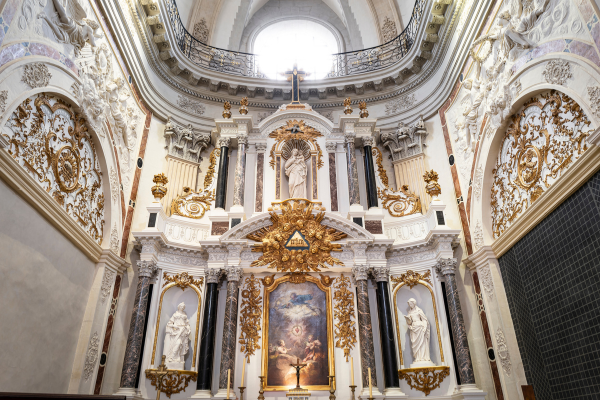
The Flatiron Building, located in Manhattan, New York City, is one of the most iconic and recognisable skyscrapers in the world. Completed in 1902 and originally known as the Fuller Building, it was designed by architect Daniel Burnham in the Beaux-Arts style. Its distinctive triangular shape, created by the narrow plot of land at the intersection of Fifth Avenue and Broadway, has made it an enduring symbol of early 20th-century architecture. Key Architectural Features Triangular Shape: The Flatiron Building is famed for its unique triangular design, with its narrow tip at the intersection of two major streets. Its shape maximises the use of the irregularly shaped plot while making it a striking visual landmark. Beaux-Arts Design: Designed in the Beaux-Arts style, the building features a detailed limestone and terracotta façade, with classical detailing including cornices, arches, and ornamental windows. Its façade was one of the first to use a steel-frame construction, allo ...
Read more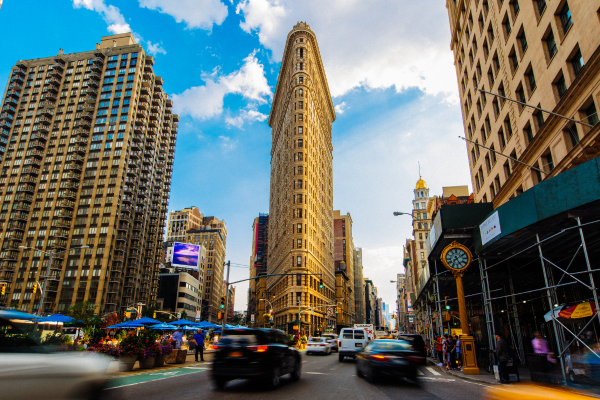
The Lotus Temple, located in New Delhi, India, is a Bahá'í House of Worship and a stunning example of contemporary architecture. Completed in 1986, it was designed by Iranian-Canadian architect Fariborz Sahba and is renowned for its distinctive lotus-inspired design. Open to people of all faiths, the temple symbolises unity, peace, and harmony. It has become one of India’s most visited landmarks, attracting millions of visitors every year. Key Architectural Features Lotus Design: The temple’s design is inspired by the lotus flower, a symbol of purity and peace in many cultures. Its 27 white marble petals are arranged in three layers, creating a symmetrical, organic form that appears to float above its surroundings. Use of White Marble: The temple is constructed from pristine white marble sourced from Greece, giving it a luminous appearance. The material reflects sunlight during the day and glows softly under night lighting. Nine-Sided Structure: The temple is designed ...
Read more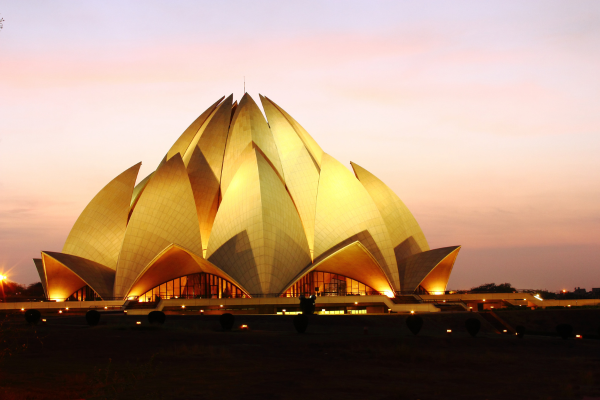
Casa Milà, popularly known as ""La Pedrera"" (The Stone Quarry), is an iconic example of modernist architecture located in Barcelona, Spain. Designed by the renowned Catalan architect Antoni Gaudí, it was completed in 1912 and is celebrated for its bold, organic forms and innovative use of materials. Situated on Passeig de Gràcia, Casa Milà is a UNESCO World Heritage Site and a symbol of Gaudí’s artistic genius. Key Architectural Features Undulating Facade: The building’s striking stone facade, which resembles natural rock formations, features fluid, wave-like curves. This design gives the impression of a living, breathing structure and is devoid of straight lines. Wrought-Iron Balconies and Windows: The facade is adorned with intricate wrought-iron balconies and window grilles, designed by artisan Josep Maria Jujol. These designs incorporate organic shapes, adding to the building’s naturalistic aesthetic. Innovative Roof Terrace: Casa Milà’s rooftop is one of ...
Read more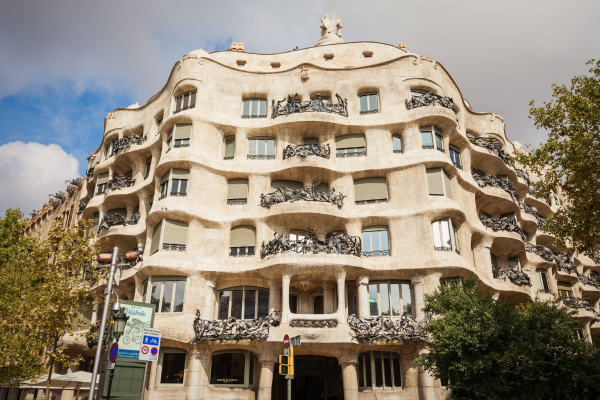
The Leaning Tower of Pisa, located in the city of Pisa, Italy, is one of the most famous architectural landmarks in the world. Renowned for its unintended tilt, the tower is a freestanding bell tower for the adjacent Pisa Cathedral. Construction began in 1173 and spanned nearly 200 years, with the lean becoming evident even before its completion. Despite its flaw, the tower stands as a masterpiece of medieval engineering and a symbol of Italy’s rich architectural heritage. Key Architectural Features Distinctive Tilt: The tower’s most iconic feature is its lean, caused by an unstable foundation of soft, shifting subsoil. The tilt, currently at 3.97 degrees, was stabilised during extensive restoration work in the 20th and 21st centuries. Romanesque Design: The tower exemplifies Romanesque architecture, with its circular structure, arched colonnades, and detailed marble façade. The elegant arches and columns reflect the artistry of the era. Height and Structure: The tower ...
Read more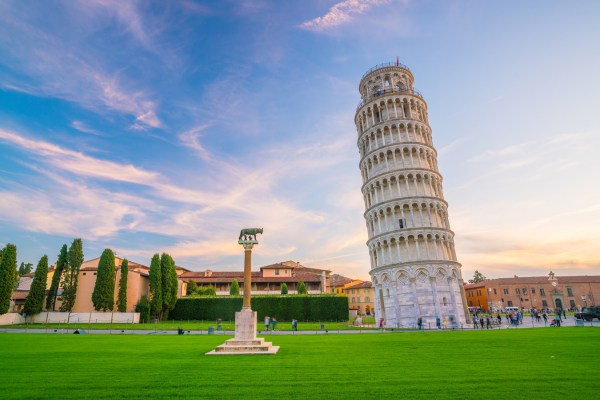
The Colosseum, also known as the Flavian Amphitheatre, is one of the most iconic landmarks in the world and a symbol of ancient Roman engineering and grandeur. Located in the heart of Rome, Italy, it was commissioned by Emperor Vespasian of the Flavian Dynasty and completed in 80 AD under his son, Emperor Titus. This monumental amphitheatre was the largest ever built in the Roman Empire, designed to host public spectacles, gladiatorial contests, and other grand events. Key Architectural Features Oval Structure: The Colosseum’s elliptical shape, measuring 189 meters long, 156 meters wide, and 50 meters high, allowed for optimal viewing angles for up to 50,000 spectators. The design ensured that all attendees had an unobstructed view of the arena. Three-Tiered Façade: The exterior features three levels of arches framed by columns in the Doric, Ionic, and Corinthian orders, showcasing the Romans’ mastery of classical architecture. A fourth level, added later, includes smal ...
Read more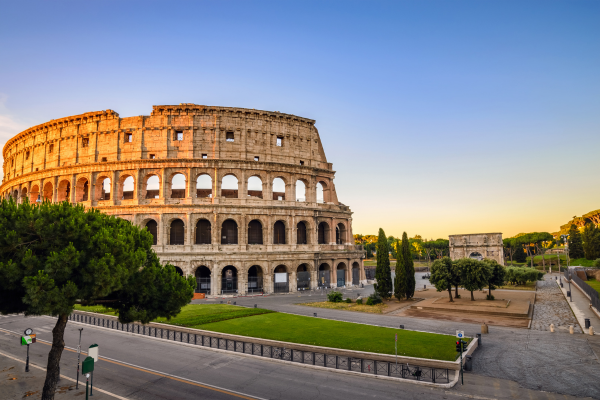
The Shard, soaring above the London skyline, is one of the most recognisable landmarks in the United Kingdom and a symbol of modern British architecture. Designed by Italian architect Renzo Piano, this 95-storey skyscraper was completed in 2012 and officially opened in 2013. At 310 metres (1,016 feet), it is the tallest building in the UK and Western Europe, offering breathtaking views and housing a mix of offices, restaurants, residences, and a hotel. Key Architectural Features Shard-Like Design: Inspired by the spires of London churches and the masts of sailing ships, The Shard’s sleek, tapering form appears as a fragmented shard of glass. Its design reflects light dynamically, giving it a constantly changing appearance depending on the weather and time of day. Glass Facade: The building is clad in 11,000 glass panels covering an area equivalent to eight football fields. This semi-transparent façade allows natural light to flood the interior while offering panoramic vie ...
Read more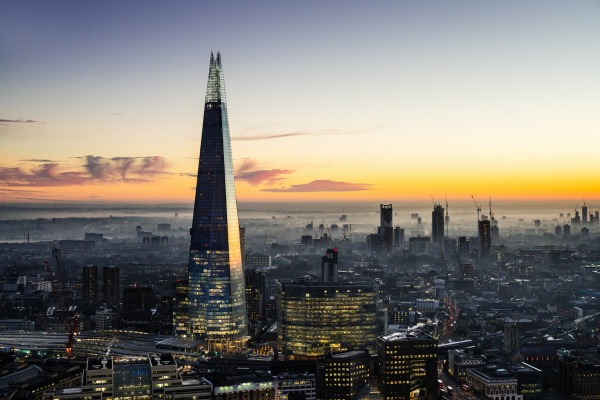
Advertisement







