Advertisement










In this episode of Prop Personalities, we sit down with Hars...
Luxury real estate is one of the most talked-about segments ...
Welcome to Prop Personalities by Prop News Time - a podcast ...
Airports play a much bigger role than just enabling travel -...
Why does the same hotel brand operate multiple properties in...
Bengaluru Metro Rail Corporation Limited (BMRCL) has launched a crucial geotechnical survey for Phase 3 of its metro expansion, costing INR 5.50 crore. This phase will add 44.65 kilometres of new routes, including a 32.15-km stretch from JP Nagar 4th Phase to Kempapura and a 12.5-km section from Hosahalli to Sunkadakatte Depot. The new network will intersect existing Blue and Red Lines and connect with the suburban rail system. Land acquisition for new stations is underway, and BMRCL is also exploring a double-decker metro line to enhance urban transit.
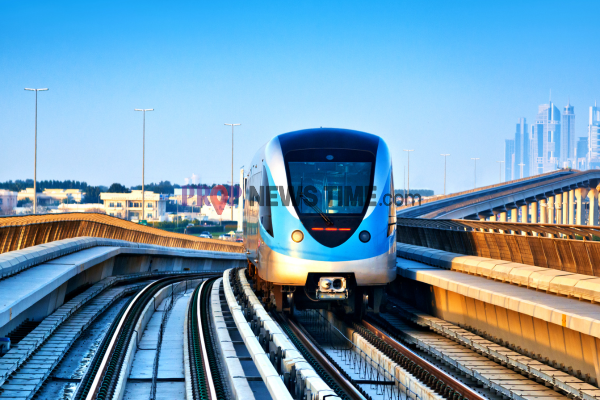
Bengaluru is taking significant steps to expand its metro network as the Bengaluru Metro Rail Corporation Limited (BMRCL) initiates a critical phase of its expansion project. The recently reported geotechnical survey for Phase 3 is estimated to cost approximately INR 5.50 crore. This survey will play a crucial role in constructing a new metro route connecting JP Nagar 4th Phase to Kempapura, covering 32.15 kilometres and incorporating 22 stations along the Outer Ring Road. Additionally, a 12.5-kilometre stretch from Hosahalli Station to Sunkadakatte Depot with nine stations is also part of the plan. Advertisement


This comprehensive network not only promises to ease traffic congestion but also aims to integrate with existing transport systems. The route will intersect with two existing lines: the Blue Line (KIA to Reshme Mandali) and the Red Line (Sarjapur to Hebbal) at Hebbal station, facilitating seamless transfers for commuters. Moreover, there will be connections to the suburban rail system, enhancing public transport options for residents.
The bidding process for the survey has already concluded, with different firms assigned to various segments of the project. Hyderabad-based Mangelam Consultancy Services will oversee the section from JP Nagar 4th Phase to Mysuru Road Station, while Secon Pvt. Ltd. will manage the segment from Mysuru Road to Kanteerava Studio Station. Myrtle Project Company has been chosen for the section from Kanteerava Studio to Kempapura, and Secon will also handle the work from Hosahalli Station to Sunkadakatte Depot. Following the completion of these surveys, the companies are expected to submit their reports within five months, allowing further progress to continue without delay.
In conjunction with the survey, BMRCL has also initiated land acquisition processes for new stations at JP Nagar 5th Phase, Kamakya, and Hosakerehalli. The acquisition of approximately 129,743 square metres of private land has begun, with compensation based on current market values being assessed for affected landowners. The Karnataka Industrial Areas Development Board (KIADB) will oversee the land acquisition, ensuring a structured process.
BMRCL's expansion project also considers future-ready solutions, as officials explore the potential of a double-decker metro line. This innovative approach could involve building a new line above the current elevated metro, or replacing the existing structure. Such a development could further enhance the efficiency of metro transport in the city, making it a pioneering model for urban mass transit in India. To ensure the project meets the city's wider urban development goals, BMRCL will collaborate closely with the Bruhat Bengaluru Mahanagara Palike (BBMP) for funding and coordination.
As the city grows, the expansion of the metro network is aligned with Bengaluru's commitment to sustainable and environmentally friendly transportation. By investing in a robust public transport system, BMRCL aims to reduce traffic congestion and pollution, promoting a healthier urban lifestyle for its residents. As the surveys and preparations progress, the future of Bengaluru's metro looks promising, making daily commutes easier and more efficient for the city's inhabitants.
Through this project, Bengaluru is not just building a metro; it is building a vision for a more connected, accessible, and sustainable urban future.

5th Jun, 2025

25th May, 2023

11th May, 2023

27th Apr, 2023
Advertisement





 Facebook
 Whatsapp
