Advertisement






The Gulf conflict has disrupted global supply chains, pushed...
REITs have changed the way commercial real estate is owned a...

What does it take to preserve a real estate legacy while bui...
What really powers the cloud? Behind every Google search, A...
A lot of what defines a home isn’t visible at handover. I...
India’s expanding elderly population is increasing the need for organised senior care services that extend beyond medical support to include emotional wellbeing, assisted living and home-based care. With the country’s senior citizen population estimated at 174 million and rising, changing family structures, migration trends and longer life expectancy among women are reshaping caregiving requirements. Industry stakeholders in the senior care segment indicate that a large proportion of elderly individuals require assistance with daily activities, chronic disease monitoring and social interaction, particularly women living alone. The growing demand is also encouraging providers to adopt integrated care models combining trained caregivers, technology-enabled support and personalised home care services. Experts in the sector state that professional senior care is increasingly being viewed as a long-term lifestyle and healthcare necessity rather than a temporary or emergency-based requirement.
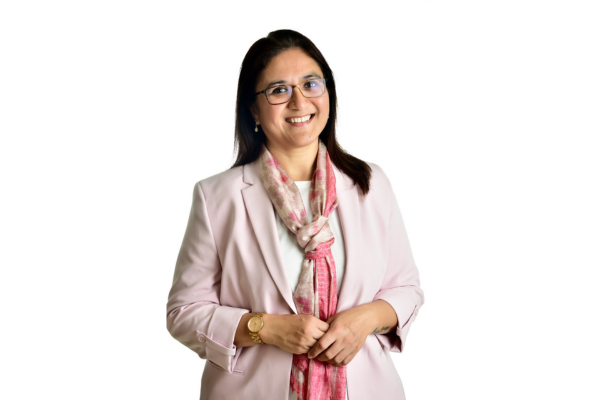
India’s growing elderly population is driving increased attention towards organised senior care services as demographic shifts, migration trends and changing family structures reshape long-term caregiving needs across urban and semi-urban households. Industry estimates indicate that the country’s senior citizen population has reached nearly 174 million, with women accounting for a significant proportion due to higher life expectancy compared to men. Advertisement






Senior care providers and healthcare professionals state that the demographic imbalance is expected to become more pronounced over the coming decades, with projections suggesting a rise in the number of elderly women living alone or as widows by 2050. The trend is contributing to higher demand for assisted living, home healthcare and non-clinical support services tailored to elderly women.
The sector is also witnessing growing reliance on professional caregiving support as working family members, particularly women, increasingly balance employment responsibilities alongside caregiving duties. Industry observers note that caregiving within households often places additional emotional and physical pressure on women, many of whom become full-time caregivers for elderly family members while managing professional commitments.
According to estimates cited within the sector, nearly 40% of senior citizens require assistance with everyday activities. Care providers indicate that modern geriatric care models are shifting from dependency-led support towards systems designed to encourage self-reliance and preserve dignity. Rather than replacing daily routines entirely, professional support services are increasingly structured to help elderly residents continue routine activities independently while receiving monitored assistance where required.
Healthcare professionals also point to the emotional distress associated with relocation among elderly individuals, particularly women with long-standing attachments to their homes and neighbourhoods. Industry data suggests that nearly 80% of senior citizens experience some form of “transfer trauma” when moved away from familiar surroundings. As a result, home-based medical and caregiving services are gaining traction, with providers focusing on delivering healthcare support within familiar residential environments.
Migration trends among younger working populations have further accelerated demand for organised senior care services. As families relocate overseas or to different cities for employment, many elderly parents are left living independently with limited physical interaction. Estimates indicate that nearly 15 million senior citizens in India currently live alone, with women accounting for almost three-quarters of this segment.
Senior care operators state that social isolation among elderly individuals is emerging as a significant public health concern, particularly due to its links with mental health deterioration and cognitive decline. Providers increasingly view companionship, regular interaction and emotional engagement as core components of elderly care alongside clinical assistance.
KITES Senior Care stated that its approach combines trained caregivers, technology-enabled monitoring systems and round-the-clock support services aimed at creating safer and relationship-driven care environments for senior citizens.
Industry estimates further suggest that nearly 75% of elderly individuals live with at least one chronic medical condition requiring ongoing monitoring and support. Care providers indicate that personalised attention, familiarity with daily routines and continuous engagement are becoming central to professional senior care models as the sector evolves from emergency healthcare support towards long-term quality-of-life management for ageing populations.
Advertisement













 Facebook
 Whatsapp
