Advertisement






Private equity has played a significant role in shaping Indi...
In today’s real estate landscape, fitness is often treated...
In this episode of Prop Personalities, we sit down with Hars...
Luxury real estate is one of the most talked-about segments ...
Welcome to Prop Personalities by Prop News Time - a podcast ...
Rail Vikas Nigam Limited (RVNL) will develop all station buildings and related infrastructure under the Rishikesh-Karnaprayag Rail Link project in Uttarakhand following green building norms. The move is aimed at reducing environmental impact while improving operational efficiency and passenger facilities across the Himalayan rail corridor. The 125-km project is one of India’s most challenging railway developments due to its difficult terrain and extensive tunnelling work. The rail line is expected to improve connectivity to important pilgrimage towns, support tourism and strengthen transport access in Uttarakhand’s hill districts while addressing sustainability concerns in ecologically sensitive areas.
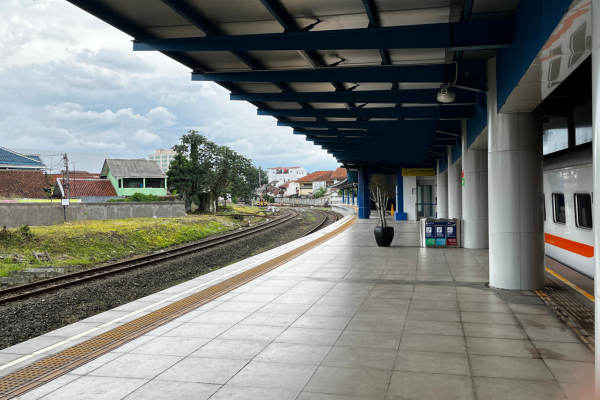
Rail Vikas Nigam Limited (RVNL), the Ministry of Railways’ Navratna public sector undertaking, stated during the past week that all station buildings under the Rishikesh-Karnaprayag Rail Link project will be developed in line with Indian Green Building Council (IGBC) norms. The company said the decision is part of its effort to integrate environmentally responsible construction practices into large infrastructure projects being executed in the Himalayan region. Advertisement






The Rishikesh-Karnaprayag rail line is one of the most important railway infrastructure projects currently under development in Uttarakhand. Spread across nearly 125 km, the project aims to improve rail connectivity between Rishikesh and major towns including Devprayag, Srinagar, Rudraprayag, Gauchar and Karnaprayag. Once operational, the line is expected to improve access to the Char Dham region and reduce travel time for residents, pilgrims and tourists travelling to upper Himalayan districts.
RVNL said all 12 proposed railway stations under the project will be designed using sustainable construction standards. The station infrastructure is expected to include energy-efficient lighting systems, improved natural ventilation, rainwater harvesting systems, water conservation mechanisms, scientific waste management and solar energy integration wherever feasible. The company added that the adoption of green building measures is intended to reduce long-term operational costs while lowering the project’s environmental footprint.
The railway project passes through ecologically sensitive Himalayan terrain, making environmental management an important aspect of construction activity. Around 80 per cent of the railway alignment is being developed through tunnels because of the mountainous geography. The project includes 16 main tunnels, 12 escape tunnels, 19 major bridges and 38 minor bridges, making it one of the most technically complex rail projects currently being executed by Indian Railways.
RVNL Chairman and Managing Director Saleem Ahmad stated that the company remains focused on balancing infrastructure growth with environmental responsibility. He noted that sustainable construction practices are becoming increasingly important for projects being developed in environmentally sensitive regions like Uttarakhand.
Construction activity on the project has progressed steadily over the past few years despite geological challenges and difficult terrain conditions. Recent developments included the completion of major tunnelling work in some stretches, including Tunnel Number 8, which is considered one of the key structural sections of the rail alignment. The project has involved large-scale use of tunnel boring and excavation technologies because of the region’s steep mountainous landscape.
The railway line has also remained under public and environmental scrutiny in recent years. Concerns had earlier been raised regarding debris disposal, hill cutting and the environmental impact of tunnelling activity in fragile Himalayan zones. The National Green Tribunal had previously imposed penalties related to alleged debris dumping violations linked to project work before later permitting the reuse of excavated material under specific environmental restoration conditions. In some affected areas, local residents had also expressed concerns over land instability and structural cracks in houses allegedly linked to tunnelling work, although RVNL had denied any direct connection between the construction activity and reported damages.
Apart from improving passenger connectivity, the Rishikesh-Karnaprayag rail line is also considered strategically important for disaster response and movement of essential supplies in hill districts during emergencies. Uttarakhand has witnessed repeated natural disasters and landslides over the years, increasing the need for stronger transport infrastructure in remote areas. The railway project is therefore being viewed as both a connectivity initiative and a long-term infrastructure support system for the region.
The project forms part of the broader railway expansion plan in Uttarakhand, where the government has been focusing on improving connectivity to religious, tourism and border areas. Officials believe the railway line could also support local economic activity by improving access for businesses, tourism operators and service providers across the hill region.
Source PTI

5th Jun, 2025

25th May, 2023

11th May, 2023

27th Apr, 2023
Advertisement









 Facebook
 Whatsapp
