Advertisement






Private equity has played a significant role in shaping Indi...
In today’s real estate landscape, fitness is often treated...
In this episode of Prop Personalities, we sit down with Hars...
Luxury real estate is one of the most talked-about segments ...
Welcome to Prop Personalities by Prop News Time - a podcast ...
Dubai’s residential property market is witnessing a structural shift towards long-term ownership, according to an analysis by Dubai-based brokerage fäm Properties covering more than 1.1 million Dubai Land Department transactions. The study found that a substantial share of buyers across both primary and resale segments have continued to hold their properties for several years, indicating reduced speculative activity and increasing end-user participation. Data showed that nearly 70% of primary market homes purchased since 2012 and over 61% of resale properties acquired since 2009 have not been resold. The findings place Dubai’s ownership trends closer to mature global markets such as London and New York, where homeowners typically retain assets for more than a decade. Industry stakeholders attributed the shift to long-term residency policies, regulatory reforms, infrastructure expansion and the growing maturity of Dubai’s housing market.
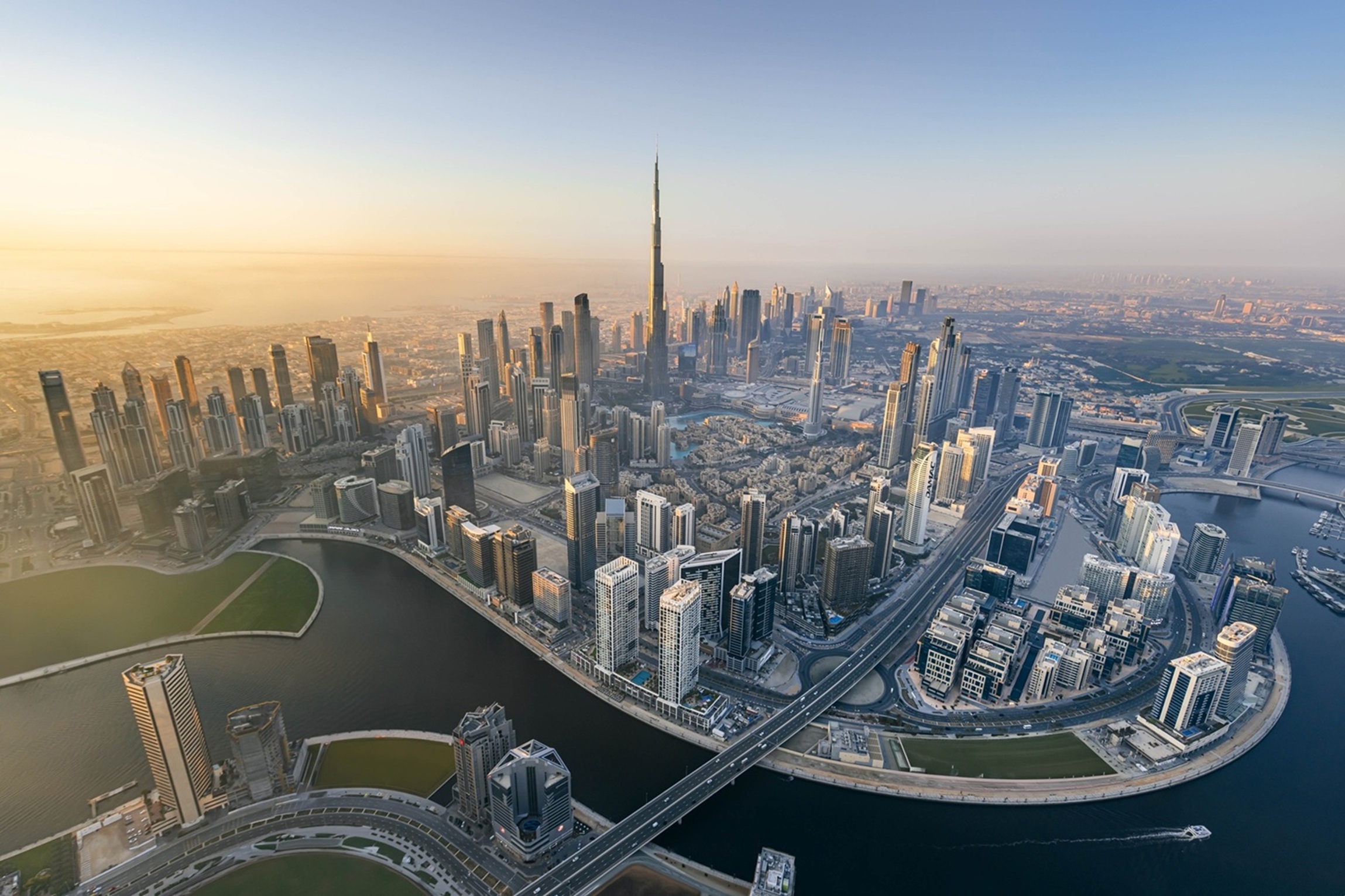
Dubai’s residential real estate market is increasingly reflecting ownership patterns seen in established global housing markets, with homeowners retaining properties for longer durations rather than pursuing short-term speculative exits, according to a recent market analysis by fäm Properties. Advertisement






The brokerage firm analysed more than 1.1 million Dubai Land Department transactions spanning over 16 years, covering 687,406 primary market transactions between 2012 and 2025 and 425,083 resale transactions recorded between 2009 and 2025. The findings indicate that a significant proportion of residential buyers have continued to hold their properties years after purchase.
According to the analysis, 480,604 primary market homes and 259,615 resale properties remain with their original buyers. In total, 740,219 residential properties purchased during the study period have not been resold. This represents 69.9% of all primary market transactions and 61.1% of resale market purchases during the respective periods.
The study highlighted a strengthening long-term ownership trend across both market categories. Among primary market buyers, 42% of those who purchased homes in 2014 continue to retain ownership after 11 years. The retention rate rose to 53% for buyers from 2017 after eight years and increased further to 61% for those who acquired properties in 2022 after three years.
A similar trend was observed in the resale segment. Around 38% of resale buyers from 2014 still hold their assets after 11 years, while 53% of buyers from 2017 remain invested after eight years. Buyers who entered the market in 2022 recorded an even higher retention level of 65% after three years.
Firas Al Msaddi, Chief Executive Officer of fäm Properties, stated that Dubai’s residential sector is moving away from short-term trading behaviour towards longer-term ownership patterns typically associated with mature global real estate markets. He indicated that speculative buyers focused on quick resale activity have increasingly been replaced by owners choosing to remain invested in Dubai over extended periods.
The report compared Dubai’s ownership behaviour with housing trends in the United States and the United Kingdom. According to referenced international data, homeowners in the United States now typically retain properties for around 11 to 12 years, while only about 4% of homes in the United Kingdom change hands annually, implying long holding periods among owners.
The analysis, based on DXBinteract data developed by fäm Properties using Dubai Land Department records, attributed the ownership shift to several structural developments in Dubai’s housing market. These include the introduction of the Golden Visa programme in 2019 and its subsequent expansion, which linked long-term residency with property ownership.
The report also pointed to regulatory changes that strengthened buyer protection in off-plan transactions, along with extensive infrastructure investment across the emirate. Developments such as new metro connectivity and emerging residential districts including Dubai South, Dubai Creek Harbour and Dubai Islands have broadened the range of locations where buyers are willing to make long-term residential commitments.

5th Jun, 2025

25th May, 2023

11th May, 2023

27th Apr, 2023
Advertisement









 Facebook
 Whatsapp
