Advertisement






Private equity has played a significant role in shaping Indi...
In today’s real estate landscape, fitness is often treated...
In this episode of Prop Personalities, we sit down with Hars...
Luxury real estate is one of the most talked-about segments ...
Welcome to Prop Personalities by Prop News Time - a podcast ...
The Supreme Court of India has sought responses from the Centre and the Securities and Exchange Board of India (SEBI) regarding the handling of unclaimed deposits and investor assets. The matter relates to concerns over the treatment of funds and investments left behind by deceased individuals, including issues of legal heirs’ access and regulatory oversight. The court is examining whether existing mechanisms adequately safeguard such assets and ensure timely transfer to rightful claimants. The development highlights gaps in financial asset recovery processes and may have implications for investor protection frameworks and regulatory clarity.
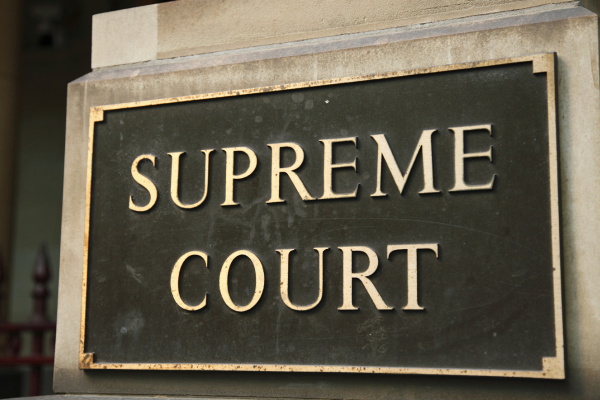
The Supreme Court of India has sought responses from the Centre and the Securities and Exchange Board of India (SEBI) on issues related to unclaimed deposits and financial assets, particularly those left behind by deceased investors, as part of ongoing proceedings examining regulatory and legal frameworks governing such funds. Advertisement






The matter was taken up in the past week, with the bench probing how legal heirs are informed about assets held in bank accounts, investments and other financial instruments that remain unclaimed. The court indicated that the case raises broader concerns regarding transparency, accessibility and the effectiveness of existing systems in facilitating the transfer of such assets to rightful beneficiaries.
At the centre of the issue is the treatment of unclaimed deposits and investor holdings that are transferred to regulatory bodies or designated funds after remaining inactive for a specified period. While mechanisms exist for claimants to recover these funds, questions have been raised regarding awareness, procedural complexity and the role of institutions in proactively identifying and notifying beneficiaries.
The court is examining whether regulatory frameworks adequately address these concerns, including whether banks, market intermediaries and regulators have sufficient obligations to trace and inform legal heirs. It also sought clarity on the processes followed by SEBI in handling unclaimed securities and dividends, as well as the safeguards in place to ensure that such assets are not indefinitely held without resolution.
Legal experts indicated that the issue has gained importance with increasing financialisation of savings, where individuals hold diversified portfolios across banking, equity markets and other instruments. In such cases, the absence of streamlined information-sharing systems can lead to fragmentation of assets and difficulties for heirs attempting to consolidate claims.
The proceedings may also examine the role of digital records and centralised databases in improving traceability of financial assets. Existing initiatives, including investor awareness programmes and online claim mechanisms, have sought to address these gaps, but challenges remain in terms of reach and implementation.
From a broader perspective, the outcome of the case could influence regulatory practices related to unclaimed financial assets, potentially leading to enhanced disclosure norms, improved coordination between institutions and simplified claim processes.
The court has directed the Centre and SEBI to file their responses, following which the matter will be taken up for further hearing. The case is expected to contribute to ongoing discussions around investor protection, financial transparency and the efficient management of unclaimed assets in India’s financial system.

5th Jun, 2025

25th May, 2023

11th May, 2023

27th Apr, 2023
Advertisement









 Facebook
 Whatsapp
