Advertisement






What really powers the cloud? Behind every Google search, A...
A lot of what defines a home isn’t visible at handover. I...
Private equity has played a significant role in shaping Indi...
Luxury real estate is one of the most talked-about segments ...
Airports play a much bigger role than just enabling travel -...
The second phase of the Ayodhya Master Plan has been formally notified, expanding the development area to around 766 sq km across Ayodhya, Basti and Gonda districts. The plan incorporates over 350 villages and introduces a structured land-use framework covering residential, commercial, industrial and transport zones. It is designed to guide long-term urban expansion, infrastructure development and tourism-led growth in the region. The notified framework includes provisions for highway-linked commercial activity, rural expansion zones and preservation of natural assets. The development aligns with broader efforts to position Ayodhya as a major religious and tourism centre while managing rapid urbanisation.
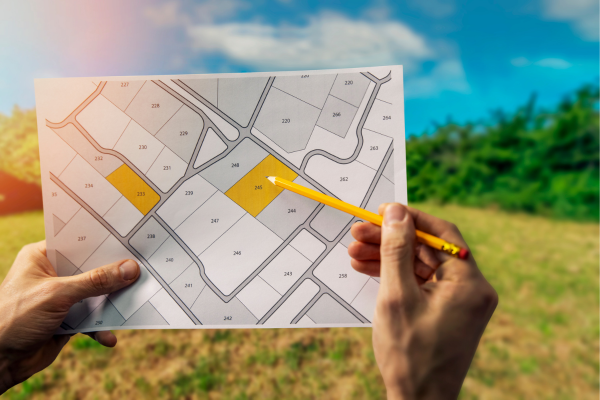
The second phase of the Ayodhya Master Plan has been notified in the past week, covering approximately 766 sq km across three districts—Ayodhya, Basti and Gonda—marking a significant expansion of the city’s planned development area. The framework, approved by the state’s housing and urban planning authorities, will guide land use and infrastructure development in the region over the coming years. Advertisement






The notified plan includes around 353 villages and encompasses the full jurisdiction of Ayodhya Municipal Corporation, along with adjoining urban bodies such as Bhadarsa in Ayodhya and Nawabganj in Gonda. The expanded coverage is intended to accommodate future population growth, urbanisation pressures and increasing tourism activity linked to Ayodhya’s religious significance.
Under the master plan, land use has been categorised across multiple segments, including residential, commercial, industrial, mixed-use, public and semi-public utilities, transport infrastructure and entertainment zones. Authorities indicated that natural features such as approximately 1,200 ponds identified in revenue records have been factored into planning to ensure environmental considerations are retained within the development framework.
The plan also introduces provisions for controlled urban expansion beyond the defined urbanisation boundary. For rural areas, designated ‘rural population expansion zones’ have been identified to allow organic growth of existing settlements. In addition, land parcels along highways and proposed bypass corridors have been earmarked as ‘highway facility zones’ to support commercial activities such as hotels, fuel stations and roadside amenities.
The notification is part of the broader Ayodhya Master Plan 2031, which seeks to structure the city’s growth in line with rising visitor inflows and infrastructure investments. Earlier phases of the plan had covered a smaller urban footprint, while the second phase significantly widens the planning area to integrate surrounding regions and support future demand.
Officials indicated that the expanded framework will enable more regulated development activity, including approvals for construction in areas that were previously outside the formal planning boundary. This is expected to accelerate real estate activity, particularly in peripheral zones, while maintaining zoning controls and infrastructure alignment.
The notification of Phase II is likely to have implications for land values, development permissions and infrastructure planning across the region. With a defined zoning structure now in place, developers and investors are expected to gain greater clarity on permissible land uses and future growth corridors.
The plan forms part of a larger strategy to position Ayodhya as a key religious and tourism destination, supported by planned urban infrastructure, improved connectivity and structured expansion of residential and commercial areas.

5th Jun, 2025

25th May, 2023

11th May, 2023

27th Apr, 2023
Advertisement









 Facebook
 Whatsapp
