Advertisement






What really powers the cloud? Behind every Google search, A...
A lot of what defines a home isn’t visible at handover. I...
Private equity has played a significant role in shaping Indi...
Luxury real estate is one of the most talked-about segments ...
Airports play a much bigger role than just enabling travel -...
Radisson Hotel Group plans to expand its India portfolio to 157–160 operational hotels with 19,000–19,500 keys by the end of 2026, supported by a strong development pipeline and continued market expansion. The hospitality chain currently operates 142 hotels and has 84 properties under development. It expects to add 18 hotels and 2,000–2,500 keys within the current year. The group reiterated its long-term target of reaching 500 hotels in India by 2030. While metro markets have witnessed some slowdown due to global uncertainties, demand in tier-2 and tier-3 cities remains stable. The company reported a decline in revenue per available room (RevPAR) in select urban markets, though broader domestic demand trends continue to support the sector.
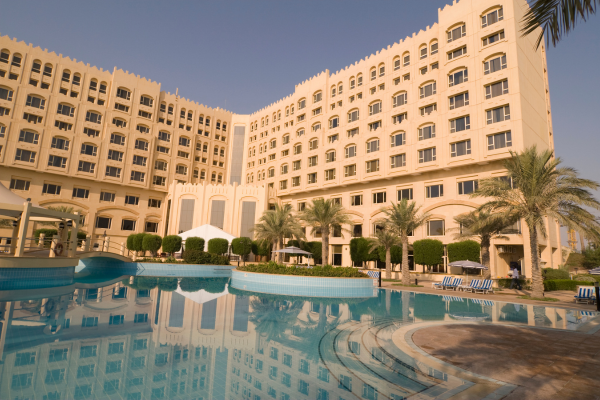
Radisson Hotel Group is targeting an expansion of its India portfolio to 157–160 operational hotels with a total inventory of 19,000–19,500 keys by the end of 2026, supported by a steady pipeline of new developments and continued demand across markets. The update was shared earlier in the past week by the company’s regional leadership. Advertisement






The group currently operates 142 hotels across India, with an additional 84 properties under development, reflecting a strong pipeline for future growth. The company expects to open 18 hotels during the current year, adding between 2,000 and 2,500 keys to its operational inventory.
Management indicated that the company remains aligned with its long-term target of reaching 500 hotels in India by 2030. The expansion strategy is focused on increasing presence across both established urban centres and emerging markets.
The company highlighted a mixed demand environment across regions, influenced in part by global geopolitical developments. Metro cities have experienced a slowdown in certain segments, while tier-2 and tier-3 cities have shown relatively stable demand patterns.
In particular, the company reported pressure on revenue per available room (RevPAR) in select metro markets during the past month, with declines of approximately 27–28% in certain locations. However, this trend was not observed uniformly across the country, and performance varied by market.
The company indicated that trends observed during the subsequent month will provide greater clarity on recovery momentum, particularly in urban markets that have been affected by fluctuations in international and corporate travel demand.
Industry trends suggest that domestic travel demand continues to play a stabilising role for the hospitality sector. Tier-2 and tier-3 cities, in particular, have demonstrated resilience, supported by local travel, business activity and regional tourism.
The company’s expansion strategy reflects a broader industry shift towards diversifying geographic presence beyond major metropolitan areas. This approach allows operators to tap into emerging demand centres while balancing exposure to fluctuations in key urban markets.
India remains a priority market for global hospitality chains, driven by increasing travel demand, infrastructure development and a growing middle-income population. The expansion of hotel inventory across categories is aligned with rising demand for accommodation in both business and leisure segments.
Radisson Hotel Group’s planned additions and development pipeline indicate continued investment in the Indian hospitality sector, with a focus on scaling operations across a range of markets while maintaining long-term growth targets.
Source - PTI

5th Jun, 2025

25th May, 2023

11th May, 2023

27th Apr, 2023
Advertisement









 Facebook
 Whatsapp
