Advertisement






What really powers the cloud? Behind every Google search, A...
A lot of what defines a home isn’t visible at handover. I...
Private equity has played a significant role in shaping Indi...
Luxury real estate is one of the most talked-about segments ...
Airports play a much bigger role than just enabling travel -...
• Maharashtra has introduced a new electric vehicle policy focused on accelerating EV adoption, charging infrastructure and domestic manufacturing across the state.
• The policy includes purchase subsidies, toll and tax exemptions, EV-ready building norms and highway charging corridors.
• The state also plans to strengthen EV battery recycling, research, skill development and clean mobility infrastructure through coordinated implementation across multiple government departments.
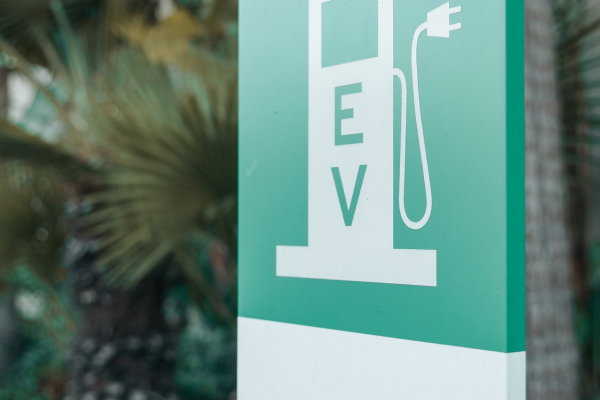
Maharashtra has introduced an expanded electric vehicle (EV) policy aimed at accelerating EV adoption, strengthening charging infrastructure and supporting manufacturing and clean mobility initiatives across the state. Advertisement






According to the policy document, the state has set multiple adoption targets including conversion of 50% of city utility vehicles and aggregator fleets into electric vehicles. The government also plans to establish EV charging stations at intervals of 25 km along highways while ensuring that all government offices are equipped with at least one EV charging facility.
The policy provides a range of financial incentives for electric vehicle buyers across categories. Electric two-wheelers will receive subsidies of up to INR 10,000, while electric three-wheelers will be eligible for incentives up to INR 30,000. Electric passenger cars will receive subsidies ranging from INR 1.5 lakh to INR 2 lakh and electric buses can receive incentives up to INR 20 lakh. Subsidies have also been announced for electric tractors and harvesters.
In addition to direct subsidies, all electric vehicles will be exempt from motor vehicle tax and registration fees. Passenger EVs will also receive complete toll exemption on key expressways across the state.
The policy outlines plans for development of a statewide charging network including installation of charging stations every 25 km along state and national highways. Fast chargers will also be installed at fuel stations and MSRTC depots. The government has additionally proposed viability gap funding support of up to 15% for high-power charging stations.
Infrastructure approvals are proposed to be streamlined through a single-window online approval mechanism, while fire safety standards and planning authority regulations are expected to be aligned for faster rollout of charging infrastructure. The Mumbai–Pune Expressway and Samruddhi Mahamarg are proposed to be developed as sustainable mobility corridors under the policy framework.
The policy also introduces EV-ready requirements for residential and commercial developments. Residential buildings will be required to make all parking spaces EV charging-ready, while new commercial developments must ensure at least 50% of parking spaces are EV-ready. Existing commercial buildings will be required to maintain a minimum proportion of operational charging points.
On the manufacturing side, Maharashtra plans to offer D+ category incentives to EV and battery manufacturers and establish EV battery recycling hubs in cities including Mumbai, Pune, Nagpur and Sambhajinagar. Urban local bodies will also be directed to develop drop-off and recycling facilities for used EV batteries.
The policy further proposes establishment of at least three Centres of Excellence for EVs, charging infrastructure and hydrogen-based technologies. A dedicated INR 15 crore research grant initiative will support innovation in battery technologies, EV charging systems, recycling and green hydrogen development.
To support workforce development, the Maharashtra State Board of Technical Education will introduce specialised EV-focused training programmes and certification frameworks covering EV design, battery technology, charging systems and energy management. Implementation of the policy will be overseen by a high-level steering committee headed by the Chief Secretary with participation from multiple state departments.
Source: MAHAPREIT

5th Jun, 2025

25th May, 2023

11th May, 2023

27th Apr, 2023
Advertisement









 Facebook
 Whatsapp
